



Incluvie – Better diversity in movies.
Identity in film with Incluvie stamps, scores, reviews.

Incluvie – Better diversity in movies.
Explore identity in film with Incluvie stamps, scores, reviews, and insights.

trailer banner
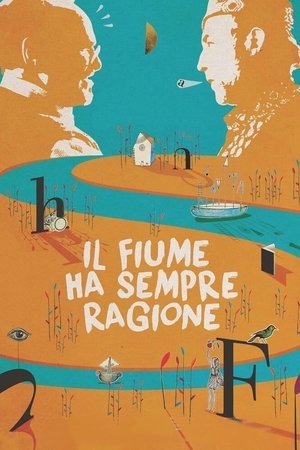
Il fiume ha sempre ragione poster

Il fiume ha sempre ragione 

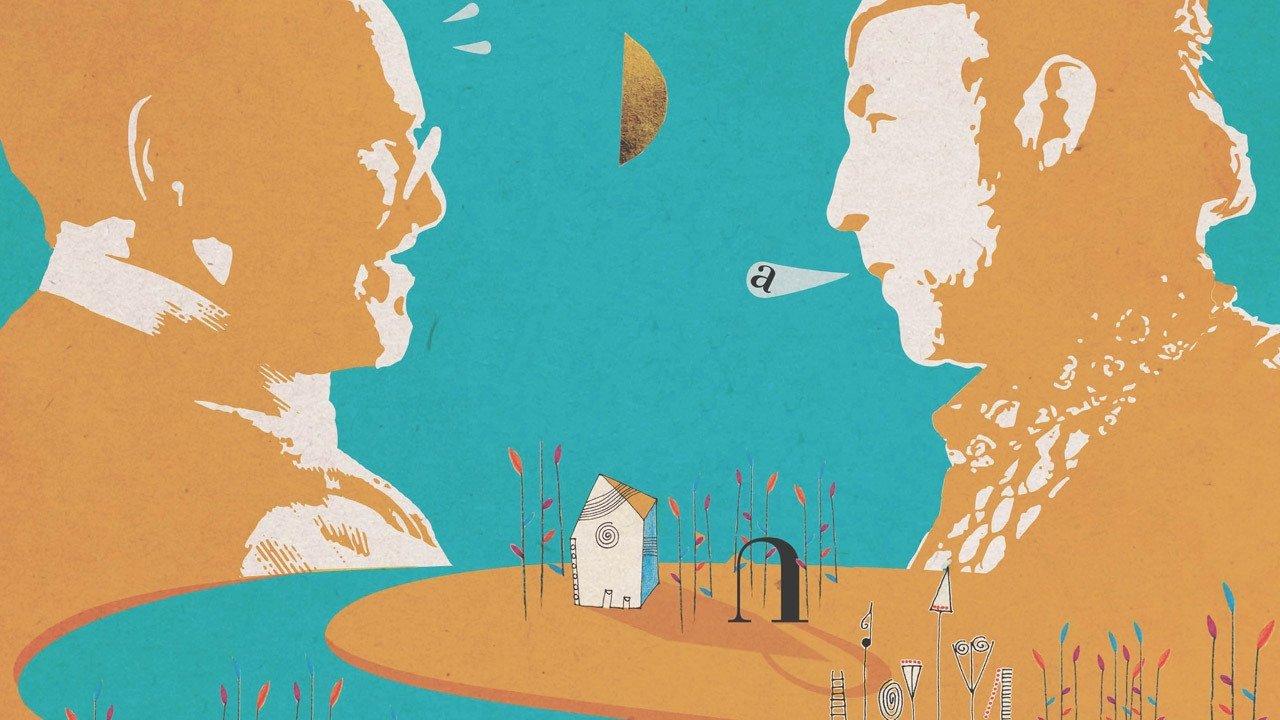
Alberto Casiraghy and Josef Weiss are true bibliophile artists. One in Osnago, the other in Mendrisio, they have been dedicating themselves for years to valuable editorial and typographical activities, still printing with mobile characters, preserving the memory of a perfect ingenuity made of manual skills and technique, but also of inventiveness and poetry. Silvio Soldini gives us a realistic and poetical portrait of these two artists-artisans, who chose one of the oldest professions in a modern world, finding great success and approval.
- / 5
PopScore
Representation

Pictures and Videos


Incluvie Gala

Movie Information


Alberto Casiraghy and Josef Weiss are true bibliophile artists. One in Osnago, the other in Mendrisio, they have been dedicating themselves for years to valuable editorial and typographical activities, still printing with mobile characters, preserving the memory of a perfect ingenuity made of manual skills and technique, but also of inventiveness and poetry. Silvio Soldini gives us a realistic and poetical portrait of these two artists-artisans, who chose one of the oldest professions in a modern world, finding great success and approval.

Rating:
Genre:Documentary
Directed By:Silvio Soldini
Written By:
In Theaters:
Box Office:

Runtime:73 minutes
Studio:Ventura Film, RSI

Articles You May Like


The Rise of a Kindhearted Comedy Hero: The Anti-Toxic Masculinity Message of Brendan Fraser Films

Throughout Brendan Fraser’s career, he has played a plethora of unique, layered characters who explore the importance of not being afraid to display your emotions, something that is often seen to not be a masculine trait. This idea of regulating emotion and what traits men are able to possess creates a toxic atmosphere for men who are often told they should not cry or represent their emotions in any physical way. These characters represent that men can be joyful, emotionally conscious, and sensitive, while also representing their masculine identity instead of painting those qualities as fighting against their masculinity.

Amanda Mazzillo