






'Hannah Montana & Miley Cyrus': Fans Get to See the "Best of Both Worlds''
This article will cover why this film is categorized as a documentary and concert film.
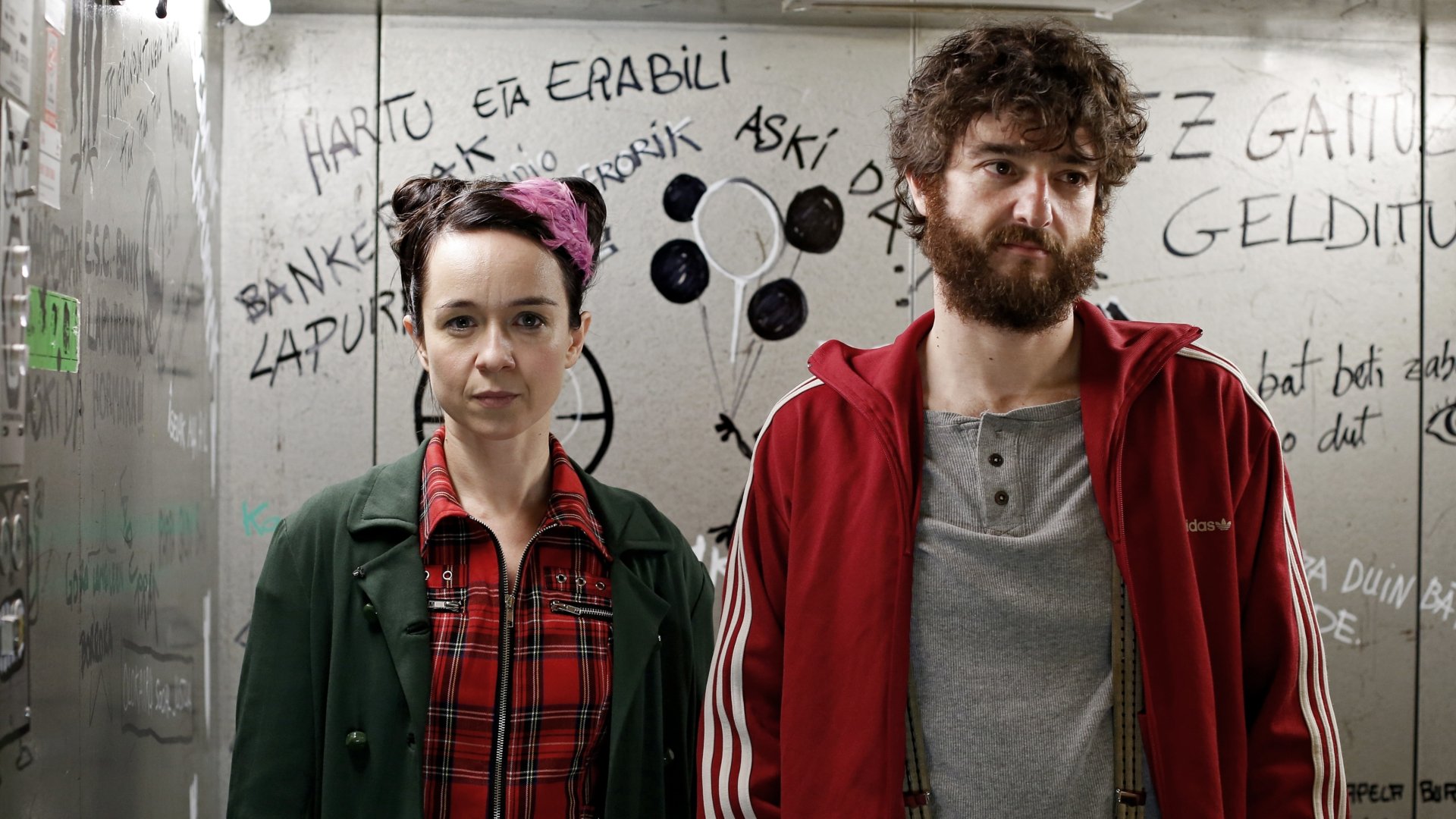
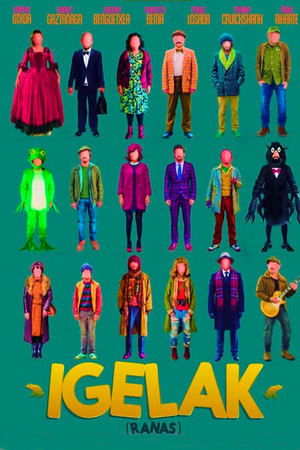


Pello, a bank branch manager, is arrested on charges of embezzlement. Abandoned by his superior (who got him involved in the heist), Pello escapes from the court room and goes on the run. With no papers, no money and no family or friends he can trust, he changes identity so that he can stay undercover for a time. By chance he ends up hiding in a building that has been occupied by a group of people evicted from their homes who are fighting his bank. Pello gains their trust, all the time planning to steal money from them to pay for false documentation so that he can escape abroad and start a new life.
This article will cover why this film is categorized as a documentary and concert film.
This is a list of seven films that explore police brutality and systemic racism made by Black filmmakers. These are important movies to watch and to take in, as — through the power of cinema — they showcase what it feels like to be a Black person living in a country that is internally designed to be against you.
The 'Hawkeye' season finale features all kinds of cool characters and resolves its loose plot threads efficiently, yet it's lacking when it comes to the vital development of its characters.
Unrelentingly funny, highly entertaining, and ridiculously absurd, My Movie Starring Paul Dano is, according to its creator, Joe Bartone, a tribute to the willful ignorance of independent filmmaking found in the late '70s in New York City. Developed through open discussions with the cast at the reading table, the mockumentary follows a delusional and fame-starved indie director, Herman Rumowicz, through the process of making his very first feature movie starring Paul Dano.
'Jaded' is a film that focuses on the decisions that can derail our lives. Zanna's story takes you through a wide range of emotions.
Falling in love with 'Rocketman" all over again.