



Will 'The Bad Guys' Become Modern Citizens?
A group of criminal animals tries their best to reform themselves into good citizens to avoid serving time in prison.
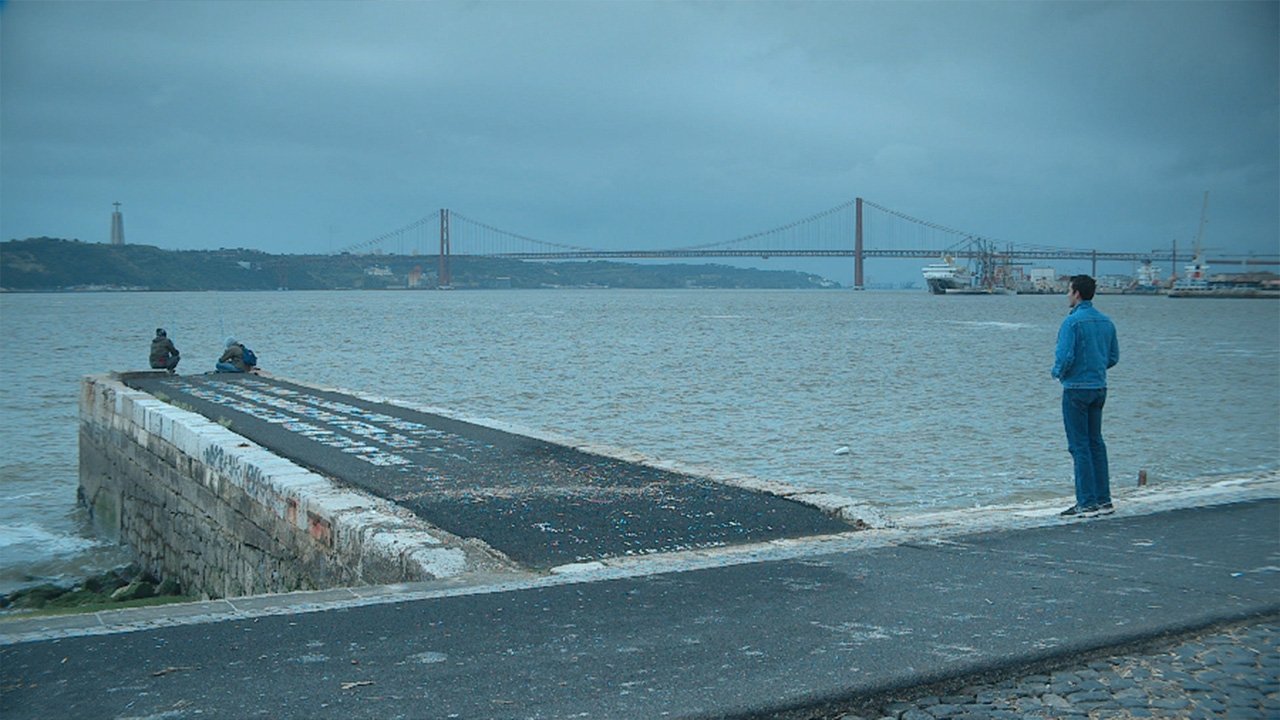
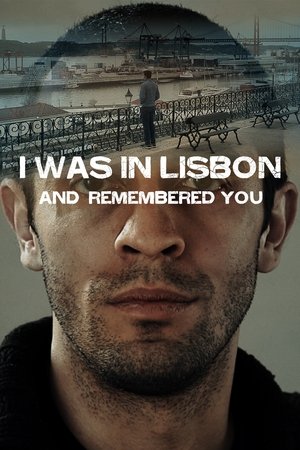


"In the beginning of this project, I wanted to do a documentary film based on this book by Luiz Ruffato. However, I ended up doing a feature film with many links to documentary. I wanted to know what made Brazilians want to emigrate to Portugal. I chose working with amateur actors and non-actors in both cities, so their own life stories and experiences could be in the film. I did the other way round from the writer. He found these people and made them characters of his book. I looked for people who had similar stories to those described in the book, and made them characters of my film. When I read the book, I was seduced by its "false documentary" characteristic. The book was all written as if it was the transcription of an oral interview the writer had done in Lisbon. I decided to keep this narrative in the film, by a narration with the main character talking to the camera. It's a film about emigration. About dreams and disappointments," says Barahona
A group of criminal animals tries their best to reform themselves into good citizens to avoid serving time in prison.
It’s been five months since Wayward premiered on Netflix and it still has some of us in a choke-hold.
Emily Henry’s adaptation reaches romance movie standards, but not romance reader standards.
For football fans, this sports movie will show viewers the bonding between father and son as the son prepares for his big game.
In Deaf, the Spanish director Eva Libertad explores pregnancy and motherhood from the perspective of a deaf woman. Her movie examines how the world imposes the notion of disability on her main character while she actually does not feel disabled herself.
Sorry to Bother You ultimately speaks to the unfair advantages that the country’s power structures award to those with the resources to control others, as Lift’s easy access to the media allows his opinion to be the only one that matters in the eyes of the unsuspecting and easily impressed public. Moreover, it reveals the extent to which the American Dream has any true validity. It postulates how the promise of success and fulfillment as promoted by the American Dream more often than not leads to the undoing of the individual. Interestingly, in its revealing of the American Dream as merely a facade, Sorry to Bother You wisely questions whether or not anything can really be done to undo a system that has been accepted and in action for centuries.