‘The Wrong Missy’ is a Miss
The characters aren’t likable, the story is predictable and the humor is either disgusting, obnoxious, or uncomfortable. The Wrong Missy is a mess of a film and it’s not really worth your time.
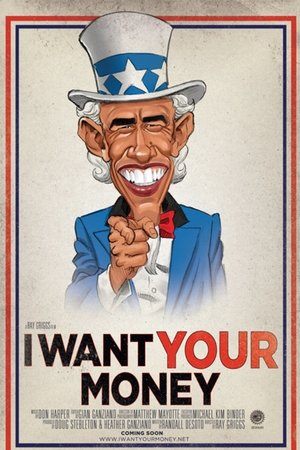


Two versions of the American dream now stand in sharp contrast. One views the money you earned as yours and best allocated by you; the other believes that an elite in Washington knows best how to allocate your wealth. One champions the traditional American dream, which has played out millions of times through generations of Americans, of improving one's lot in life and even daring to dream and build big. The other holds that there is no end to the "good" the government can do by taking and spending other peoples' money in an ever-burgeoning list of programs. The documentary film I Want Your Money exposes the high cost in lost freedom and in lost opportunity to support a Leviathan-like bureaucratic state.

Ray Griggs
Director

Andrew Breitbart
Self
John Stossel
Self

Joe Biden
Self (archive footage)

Nancy Pelosi
Self (archive footage)
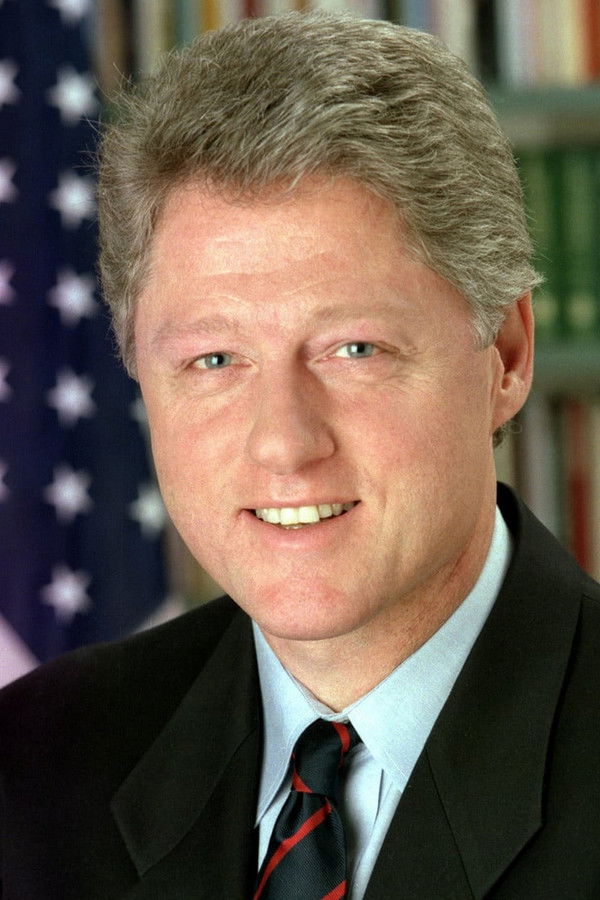
Bill Clinton
Self (archive footage)

Chelsea Clinton
Self (archive footage)

George W. Bush
Self (archive footage)
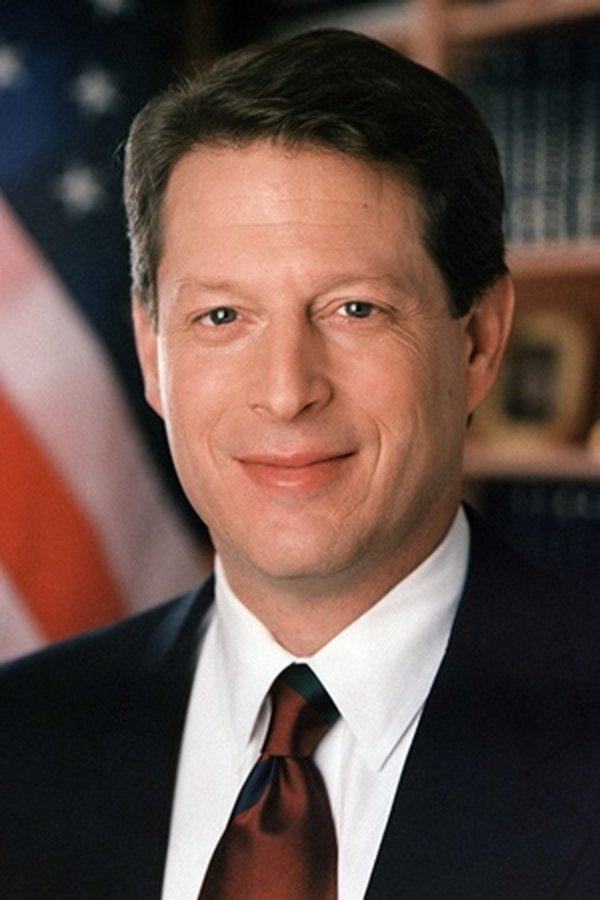
Al Gore
Self (archive footage)

Barack Obama
Self (archive footage)

Michelle Obama
Self (archive footage)

Malia Ann
Self (archive footage)
The characters aren’t likable, the story is predictable and the humor is either disgusting, obnoxious, or uncomfortable. The Wrong Missy is a mess of a film and it’s not really worth your time.
Praising Black representation and condemning the power structures that suppress it, a mother delivers an impassioned speech to her distant son.
Juno is extremely funny, very well-written, and contains great performances. The film is also about a very important topic, one that is extremely relevant now: women’s reproductive rights. Is this Oscar-winning film spreading a pro-life or pro-choice message to its audience?
An uncomplicated, family-oriented man struggles to adjust to an ever-changing world, especially after suffering a loss. Even for the early 1900s, a less complicated time in many ways than now, Robert Grainier (Joel Edgerton) is a simple man.
In the film adaptation, director Jon M. Chu turns each musical number into a massive show stopper, with grand set pieces and a wealth of diverse dancers. Yet, in this attempt to show reverence for the people of the Washington Heights barrio, Chu, or maybe more specifically those in charge of casting, left out a crucial part of the community, Afro-Latinos.
This is not a story of oppression but a story of liberation.