9 Women in Comedy to Watch for Women's History Month
This list was made with the intention of celebrating comedic craft and a love of seeing more women of colour and newcomers on the scene.
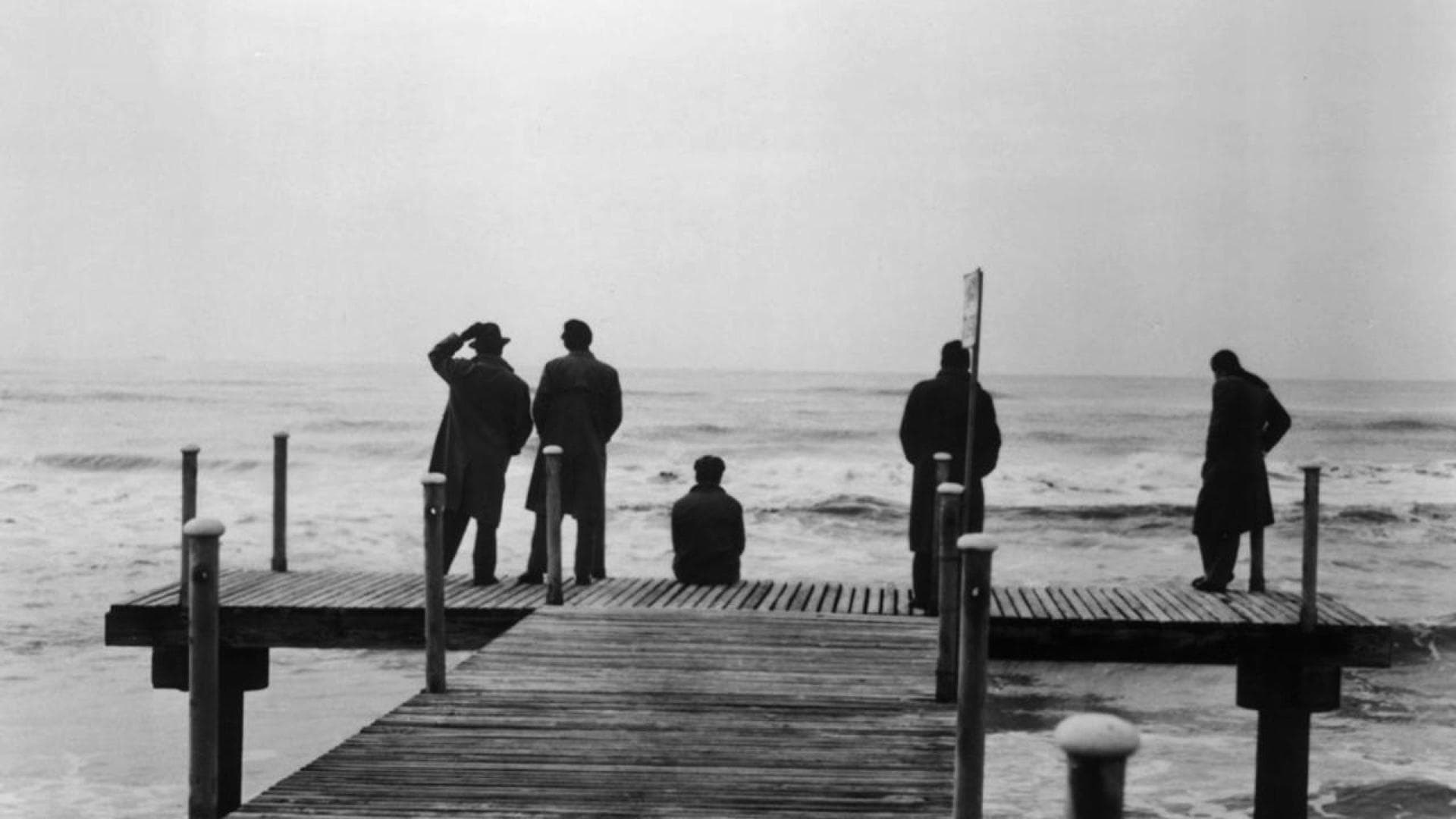
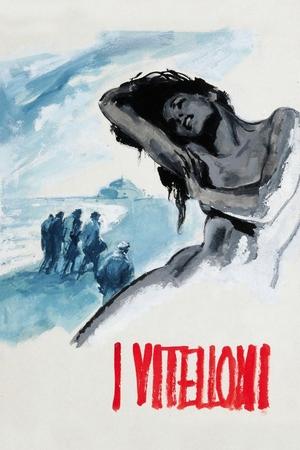


Five young men dream of success as they drift lazily through life in a small Italian village. Fausto, the group's leader, is a womanizer; Riccardo craves fame; Alberto is a hopeless dreamer; Moraldo fantasizes about life in the city; and Leopoldo is an aspiring playwright. As Fausto chases a string of women, to the horror of his pregnant wife, the other four blunder their way from one uneventful experience to the next.
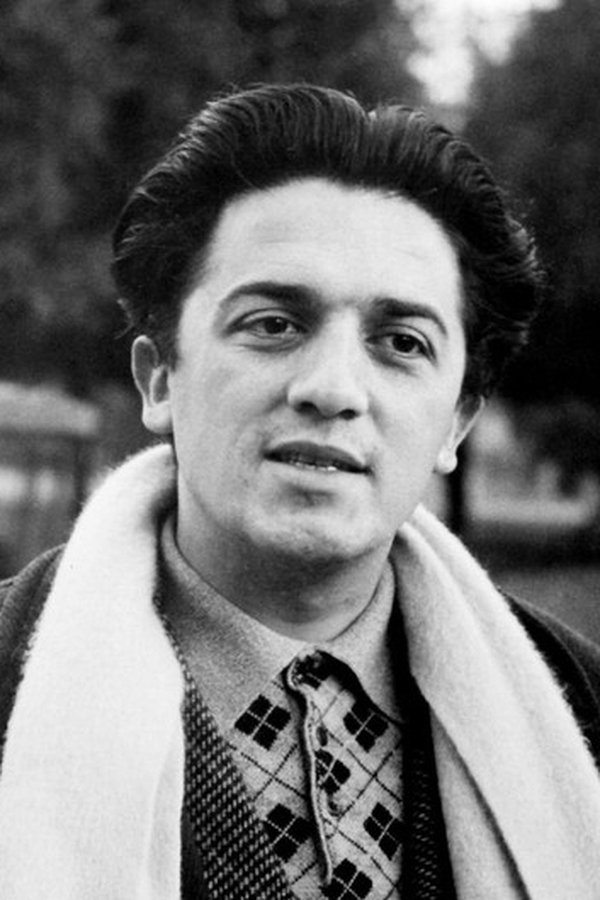
Federico Fellini
Director


Franco Interlenghi
Moraldo Rubini
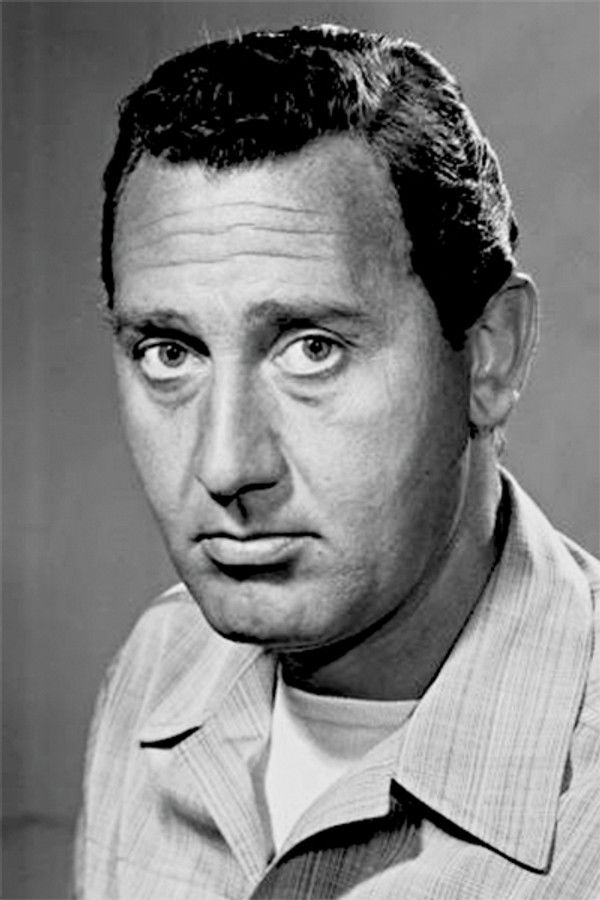
Alberto Sordi
Alberto
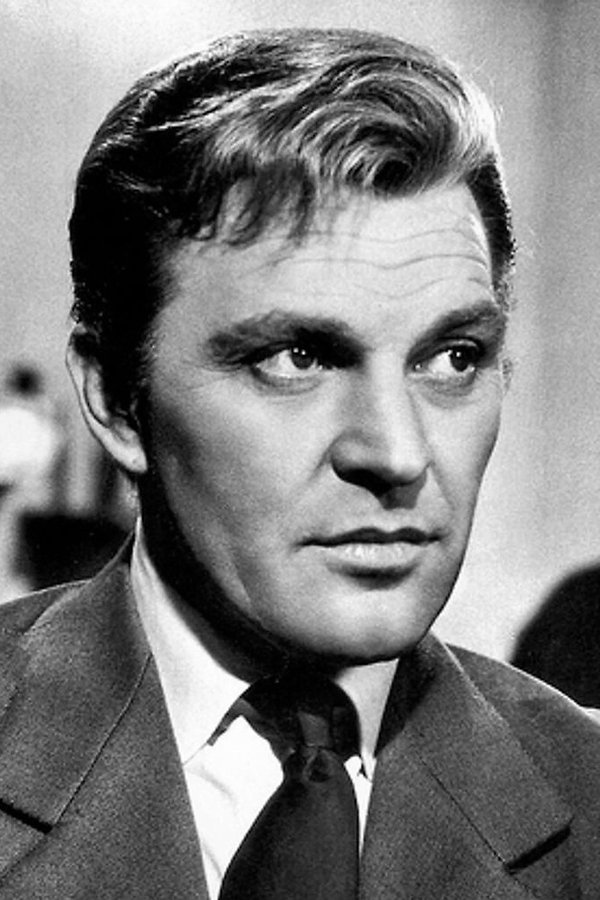
Franco Fabrizi
Fausto Moretti
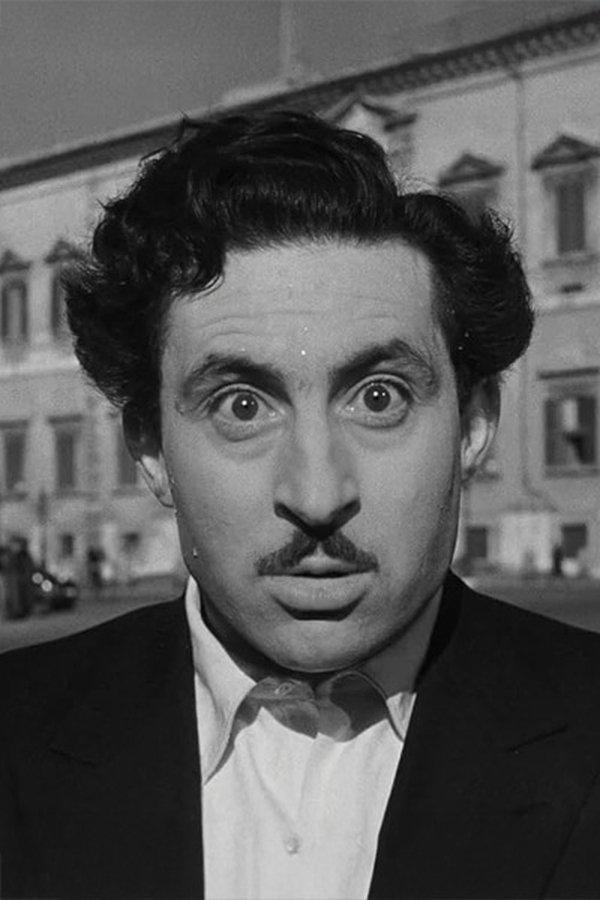
Leopoldo Trieste
Leopoldo Vannucci

Riccardo Fellini
Riccardo

Leonora Ruffo
Sandra Rubini
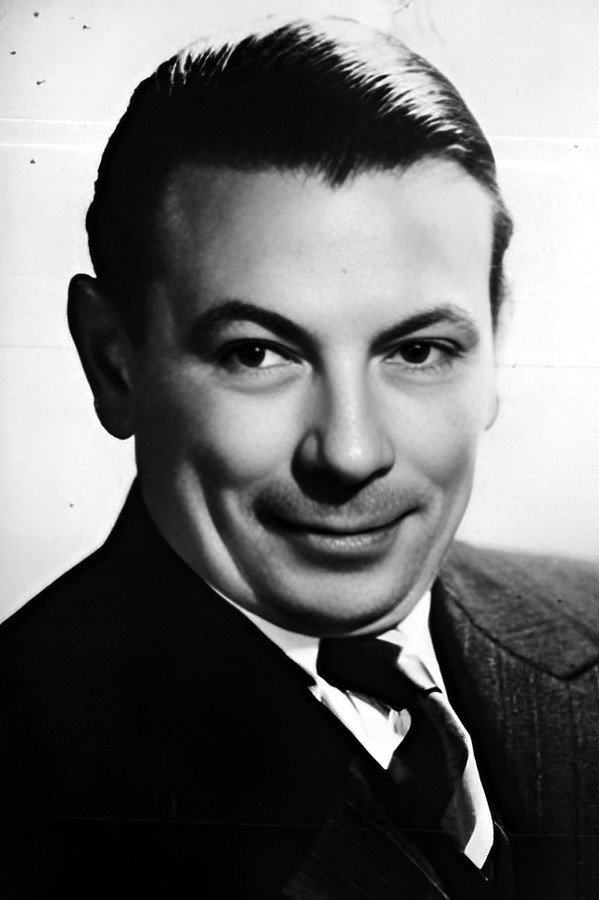
Jean Brochard
Francescco Moretti
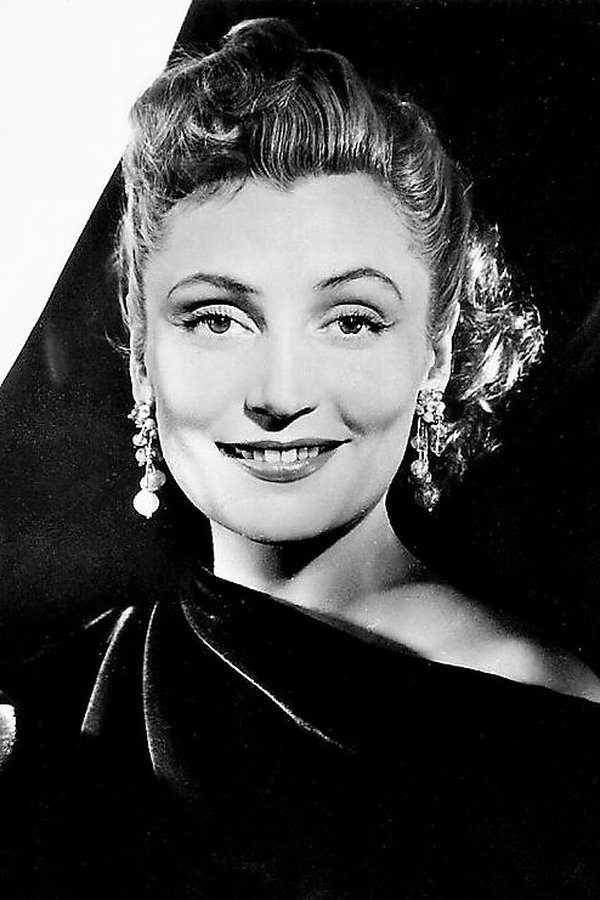
Claude Farell
Olga
Carlo Romano
Michele Curti

Enrico Viarisio
Signor Rubini
Paola Borboni
Signora Rubini
This list was made with the intention of celebrating comedic craft and a love of seeing more women of colour and newcomers on the scene.
This 2016 winner of an Ophir Award for Best Film focuses on the forbidden romance of a young, Bedouin woman and the ramifications it has for her family, her identity, and her culture.
This is a movie that combines a ghost story, revenge tale, and serial killer obsession into a cinematic experience that uses your fears against you.
A review of the Ryan Polomski documentary featuring the story of Basketball star Raymond Lewis.
We’ve always known that Edgar Wright is a mixologist when it comes to blending sound, light, colour, and texture. This is especially true in the first act of the film. In fact, all of my positive feedback is directed exclusively at the first act of this film.
In Spike Lee’s She’s Gotta Have It (1986), we follow the love life of powerful female protagonist Nola Darling (Tracy Camilla Johns) and explore the relationship dynamics she has with her partners. She sees three men simultaneously: Greer Childs, (John Canada Terrell) Mars Blackmon (Spike Lee), and Jamie Overstreet (Tommy Redmond Hicks). Though an 80’s film, She’s Gotta Have It is surprisingly progressive with its themes of female sexuality, although at some points in the film it is handled clumsily. Overall Nola is an incredibly compelling character especially for modern women, as we as a society acknowledge female sensuality more and more without the negative stigma.