

Trauma Profiteering in Jordan Peele's 'Nope'
Nope succeeds tremendously in dealing with higher concepts in an engaging and highly entertaining manner without sacrificing theme or personality.
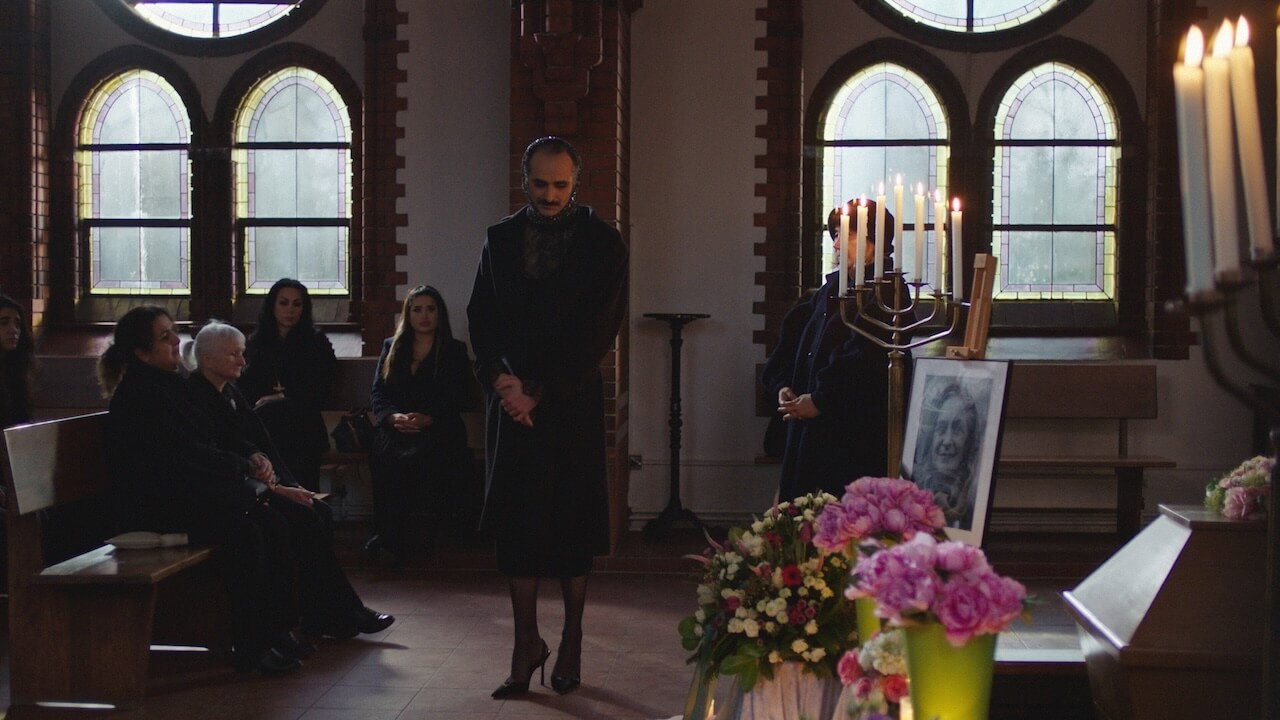
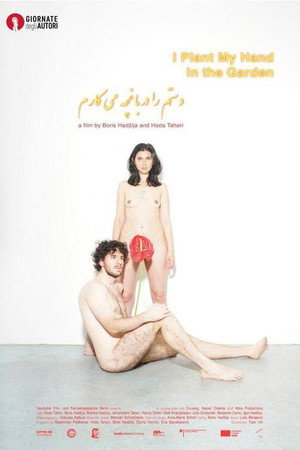


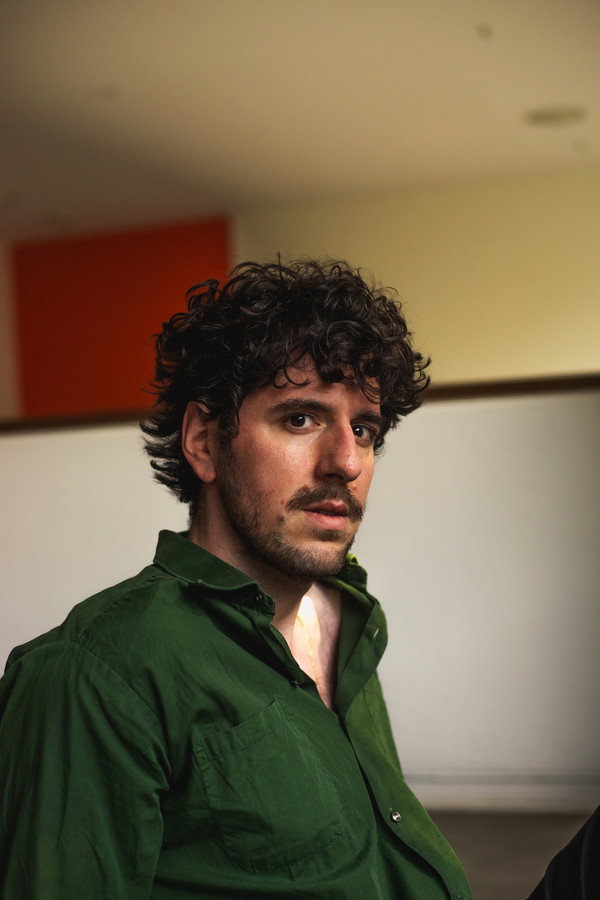
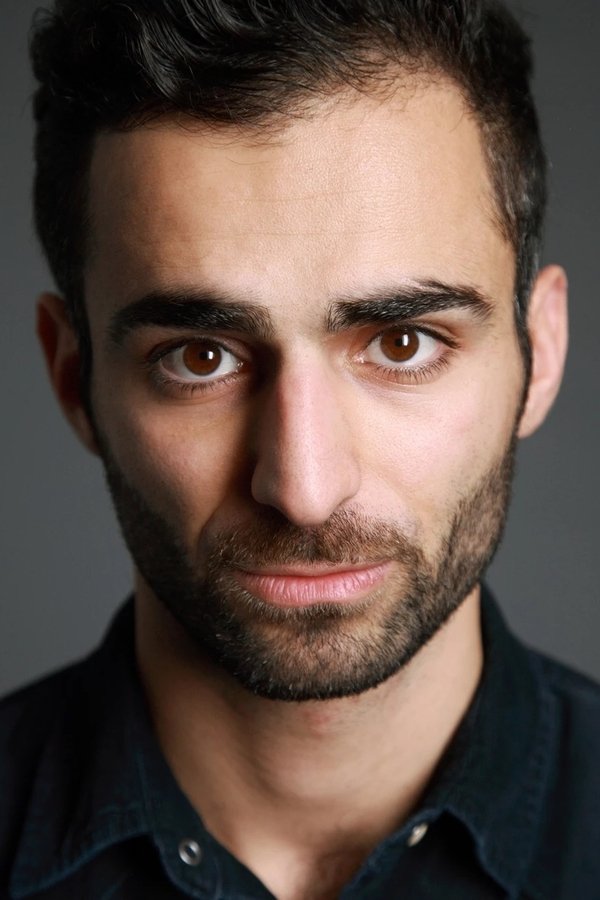
Hoda, an Iranian refugee living in Berlin, is pregnant and in love with Boris, a queer gay man from Serbia. Together, they decide to marry and raise the child, imagining a future built on their own terms. As they prepare for the wedding and enter more deeply into each other’s worlds, their relationship is seriously tested by all the red tape and their families’ expectations and histories that neither of them can leave behind. Surrounded by relatives, memories and inherited ideas of love and parenthood, Hoda and Boris begin to question the roles they are about to take on. What starts as a plan to become a family gradually turns into a more intimate and uncertain question: can they reinvent what it means to be a couple without losing what brought them together?
Nope succeeds tremendously in dealing with higher concepts in an engaging and highly entertaining manner without sacrificing theme or personality.
From the cinematography to the script to the acting, Sorry, Baby is undoubtedly one of the best films of the year.
James Cameron’s “Aliens” (1986) is a pinnacle of science fiction storytelling. Within this classic monster movie lies a powerful female character, Ellen Ripley (brilliantly portrayed by Sigourney Weaver).
Barry Jenkins' masterpiece holds up as the story of a lifetime centered on the intersection of Blackness and gay identity.
The genres of science fiction and fantasy are not exclusively masculine territory. Over the last few decades, female directors have brought to the screen some of the most visually stunning, intellectually daring, and deeply moving works of speculative fiction. From big Hollywood productions like Wonder Woman and Captain Marvel to independent low-budget films, women filmmakers are making a name for themselves around the world.