


Incluvie – Better diversity in movies.
Identity in film with Incluvie stamps, scores, reviews.

Incluvie – Better diversity in movies.
Explore identity in film with Incluvie stamps, scores, reviews, and insights.

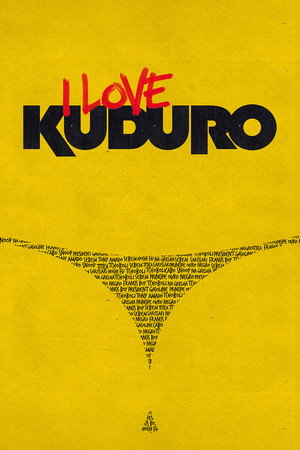
I Love Kuduro poster

I Love Kuduro 

Kuduro (literally meaning 'hard arse') is an urban cultural movement that was born in Angola during the last decade of the Civil War. Created in discos and raves in downtown Luanda through a mixture between House and Techno beats and traditional Angolan rhythms, Kuduro spilled over from the center to the suburbs. It rapidly spread throughout Angola, through Africa and now all over the world. 'I LOVE KUDURO' follows the most idolized stars of this urban phenomena that today influences scores of young Africans.
- / 5
PopScore
Representation

Pictures and Videos


Incluvie Gala

Movie Information


Kuduro (literally meaning 'hard arse') is an urban cultural movement that was born in Angola during the last decade of the Civil War. Created in discos and raves in downtown Luanda through a mixture between House and Techno beats and traditional Angolan rhythms, Kuduro spilled over from the center to the suburbs. It rapidly spread throughout Angola, through Africa and now all over the world. 'I LOVE KUDURO' follows the most idolized stars of this urban phenomena that today influences scores of young Africans.

Rating:
Genre:Comedy, Documentary, Action
Directed By:Mário Patrocínio
Written By:Mário Patrocínio, Coréon Dú
In Theaters:
Box Office:

Runtime:96 minutes
Studio:

Articles You May Like


Y tu Mamá También: A Profound Exploration of Mexican Society and Self-Discovery

Years before Mexican director, Alfonso Cuaron, was winning Academy Awards for movies like Gravity (2013) and Roma(2018), he directed a small, intimate film about two best friends who decide to embark on an improvised road trip to spend time with an older, attractive woman who miraculously agrees to go with them. Y tu Mamá También is a deep journey into the raw sexuality and friendship of the young protagonists, as well as a subtle social and political commentary on Mexico at the time.

Raul Flores