












“Devil’s Mouth”
A best friend that will stick with you to the end, on a group trip from hell, is someone to die for.
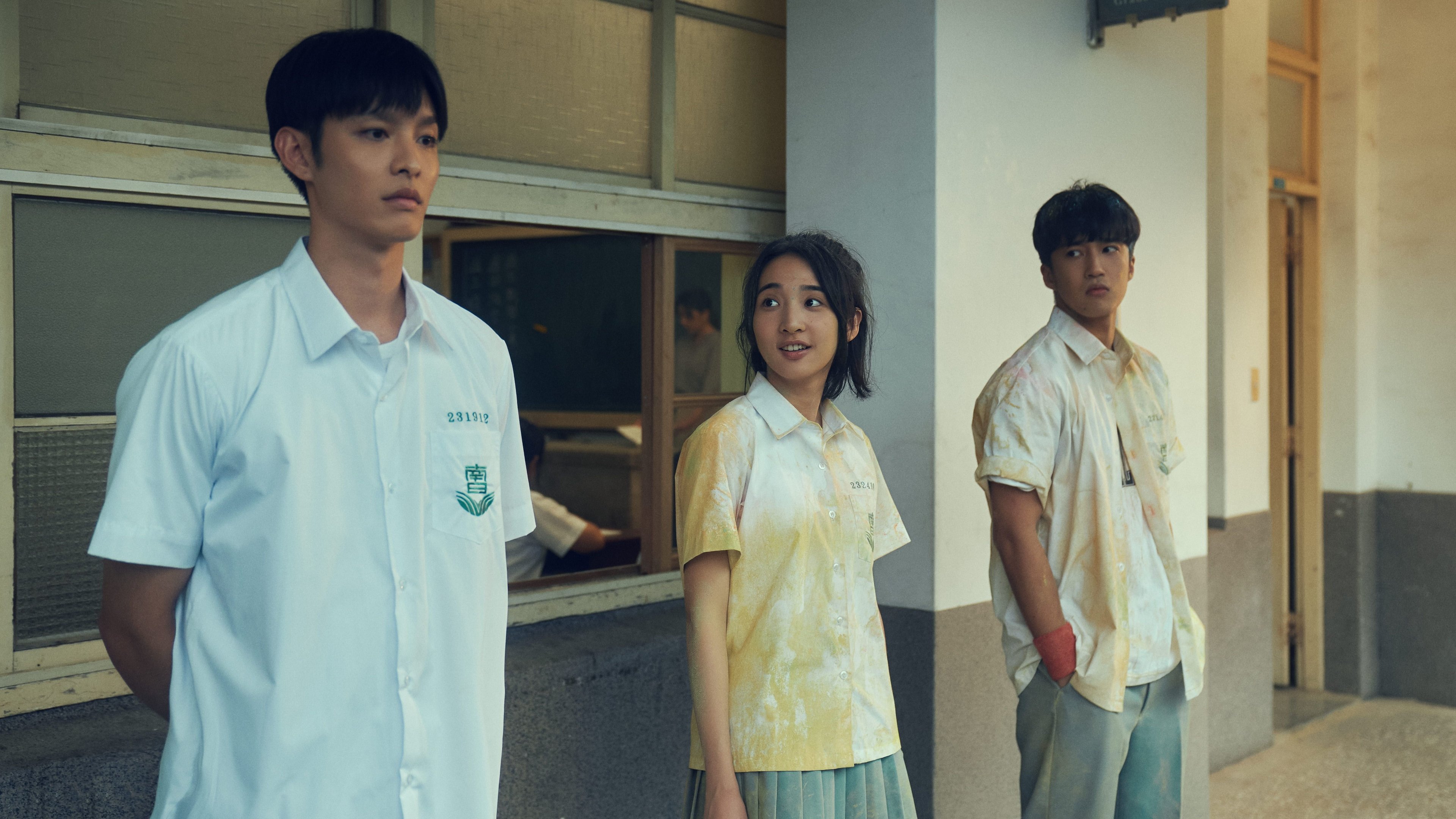



In school, Wang Hsiao-hsia and her childhood friend Yuzu are seen as a couple, but Hsiao-hsia secretly longs for the transfer student Cheng Yih. Cheng Yih, admired for his exceptional grades, talent, and fighting skills, captivates her heart. Despite her poor academic performance, Hsiao-hsia tries various methods to win his affection, but nothing works. Unbeknownst to her, Cheng Yih harbors feelings for Hsiao-hsia as well. Meanwhile, Yuzu, fiercely protective of Hsiao-hsia, is wary of anyone trying to get close to her. As summer arrives, a fragrant first love begins to bloom among the three of them, reminiscent of lemongrass.
A best friend that will stick with you to the end, on a group trip from hell, is someone to die for.
The Lighthouse is patient and hypnotic, pulling us in with its mysterious atmosphere and characters. The film’s slow pace proves to be monumentally effective, showcasing the tedious nature that comes with isolation and poor two-way communication.
'A Wrinkle In Time' combines fantasy and science fiction to bring the classic story to life.
Portraying how easy it is to be an ally heavily benefits the majority audience. The more we encourage it, normalize it, and give people the tools to become one, the sooner we can co-exist peacefully.
A Black woman centered in a box office rom-com with a happy ending and no struggle love.