







Beyoncé the Filmmaker - 'Renaissance' Trailer Review
'Renaissance: A Film by Beyoncé' is set for release on December 1, 2023. Join Incluvie in reviewing the trailer of this legendary trailblazer.
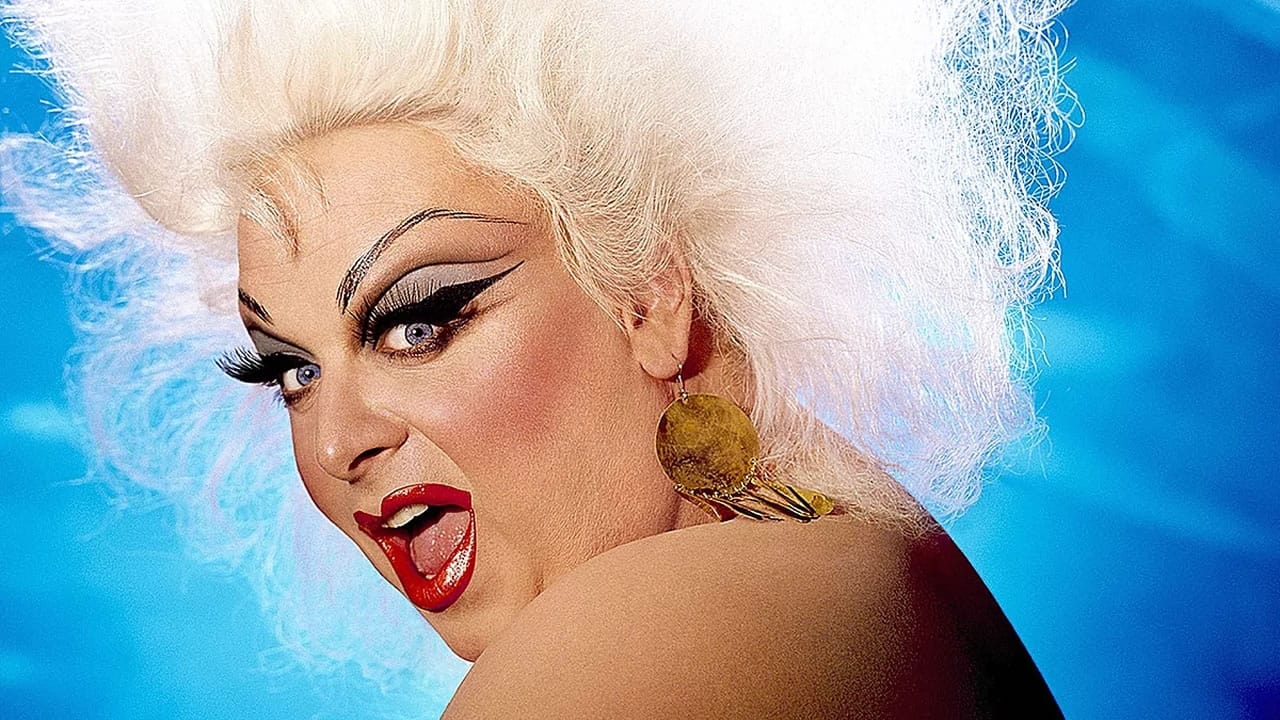
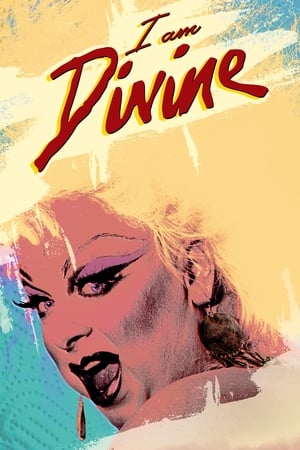


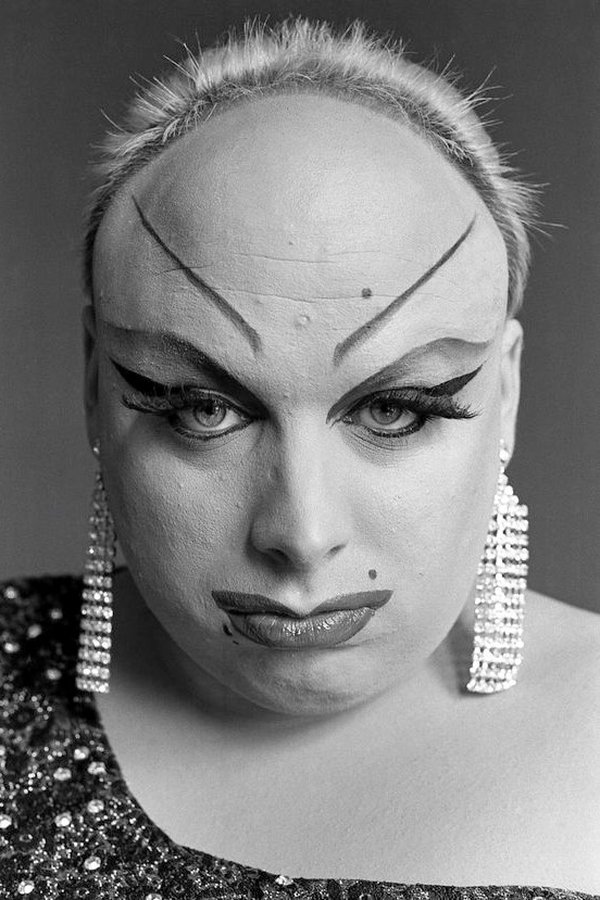
Harris Glenn Milstead, aka Divine (1945-1988) was the ultimate outsider turned underground hero. Spitting in the face of the status quos of body image, gender identity, sexuality, and preconceived notions of beauty, Divine succeeded in becoming an internationally recognized icon, recording artist, and character actor of stage and screen. Glenn went from the often-mocked, schoolyard fat kid to underdog royalty, standing up for millions of gay men and women, drag queens and punk rockers, and countless other socially ostracized misfits and freaks. With a completely committed in-your-face style, he blurred the line between performer and personality, and revolutionized pop culture.
'Renaissance: A Film by Beyoncé' is set for release on December 1, 2023. Join Incluvie in reviewing the trailer of this legendary trailblazer.
'Motherless Brooklyn' is a 1950s whodunit made by its star, Edward Norton. Like most detective films in this setting, the cast is mostly white males (with a few notable exceptions).
Adventure Time, Legend of Korra, Steven Universe, The Loud House, The Hollow, OK-K.O.! Let’s Be Heroes, The Dragon Prince, etc!
How closely should film adaptations follow their source material? Let's take a deep dive into "Norma Rae", and find out.
So do I recommend that people see this movie, yes 100%, but do I think they are going to come out of it with 80 hot takes, yes 100%.
A quiet film that does not demand your tears but earns them. It explores love that lingers, timing that fails, and the silence between what was and what could have been.