The Grainy Landscape, Worn-Out Household, and Remembering the Past in 28 Years Later
How do zombie films shine new light in the post-Covid and post-Brexit era?
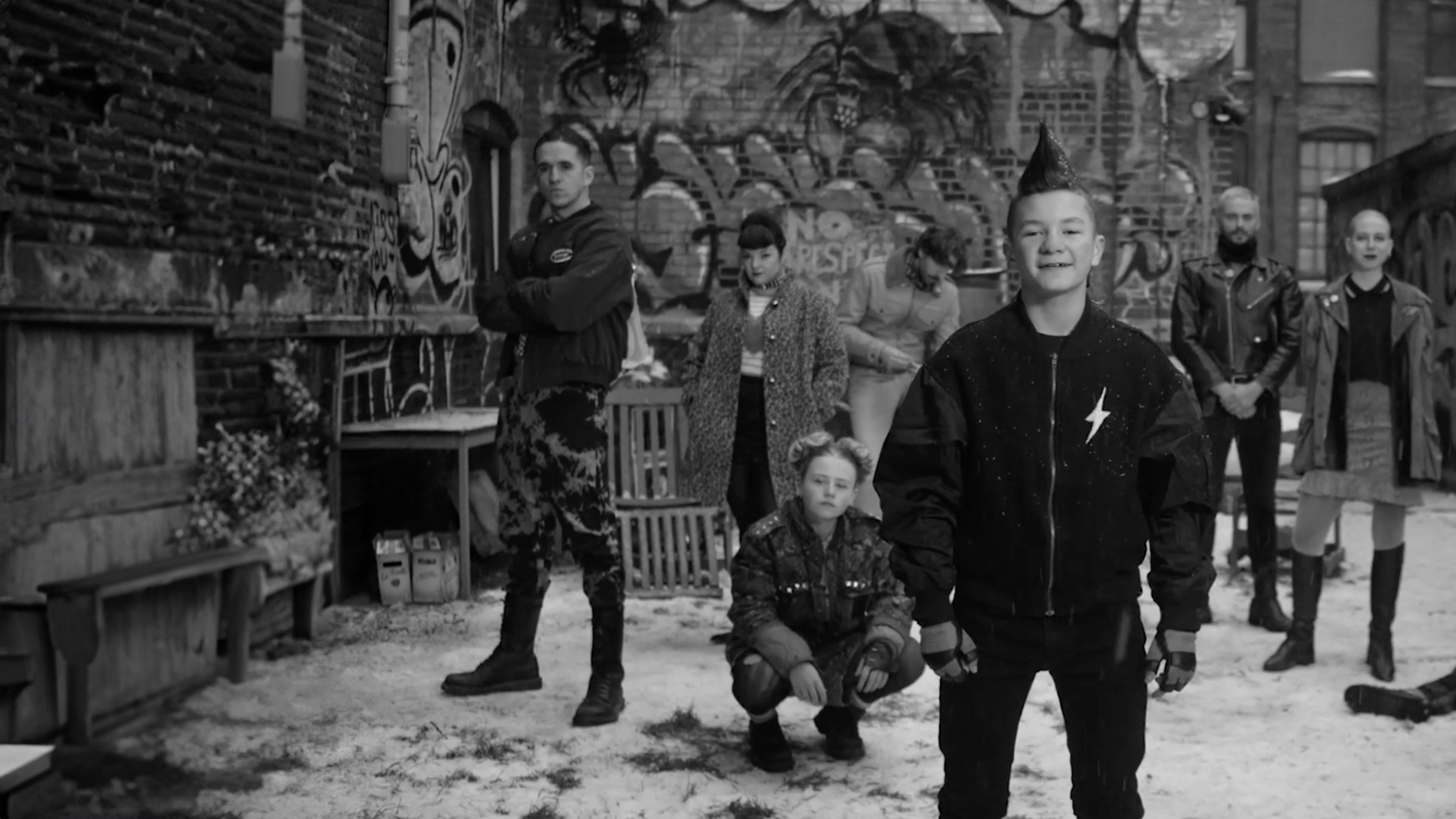



Montreal, 1991. Delphis, 11 years old, grows up in a disadvantaged neighborhood and an unstable family environment. One evening, he decides to take control of his life and becomes The Hurricane. Armed with a lightning bolt on his headband and his middle finger held high, he flees a world that has no place for him. With the police and the Youth Protection Services on his trail, he leaves a mother in distress and has significant encounters in the street. Conquering himself, his adventure is like a road trip, from Hochelag' to Berri, from one family to another. Under the impetus of a hasty adolescence, his freedom thumbs his nose at the indifference towards the marginalized. Social etiquettes burst forth in an assertive tone and sustained rhythm. Between punk music and Marjo, The Hurricane hits us in the face, without waiting to die!

Ara Ball
Director


Justin Labelle
Delphis Denis

Larissa Corriveau
Florence

Patrice Dubois
Père

Antoine Olivier Pilon
Jimbo

Julie Le Breton
Simone Lebel

Jean-Pierre Bergeron
Monsieur Hot-dog

Martin Dubreuil
Piero

Émile Schneider
Yarman

Karine Gonthier-Hyndman
Professeure

Normand Chouinard
Directeur d'école

Pascale Montpetit
Monique
How do zombie films shine new light in the post-Covid and post-Brexit era?
The Lighthouse is patient and hypnotic, pulling us in with its mysterious atmosphere and characters. The film’s slow pace proves to be monumentally effective, showcasing the tedious nature that comes with isolation and poor two-way communication.
But what many do not know is that in 2019, a Wonder Woman film was released that had all of the positive qualities of WW84, and remedied many of the negative ones. Wonder Woman: Bloodlines, a direct-to-video animated movie in the DC Animated Movie Universe, perfectly balances the campiness and seriousness of the character.
A bumpy journey about revolution and family makes us feel fear, disgust, humor, and satisfaction.
The newest in a long line of Cinderella adaptations, Amazon’s Cinderella (2021) prizes girlbossification above the very story it tries to adapt.
The Invite is witty, dramatic, funny, and probably the best comedy released this year so far.