Twin Peaks: Why LGBTQ Ally Depiction is Crucial
Portraying how easy it is to be an ally heavily benefits the majority audience. The more we encourage it, normalize it, and give people the tools to become one, the sooner we can co-exist peacefully.



Dvořák's well-known composition reappears again and again in the serious moments of the lives of the father and son Hupeks - talented non-professional musicians for whom music gives them the opportunity to rise above difficulties and problems...

Otakar Vávra
Director


Rudolf Hrušínský
Josef Hupka

Jaroslav Průcha
Josef Hupka

Vladimír Salač
Hynek Hupka

Ladislav Boháč
JUDr. Hynek Hupka
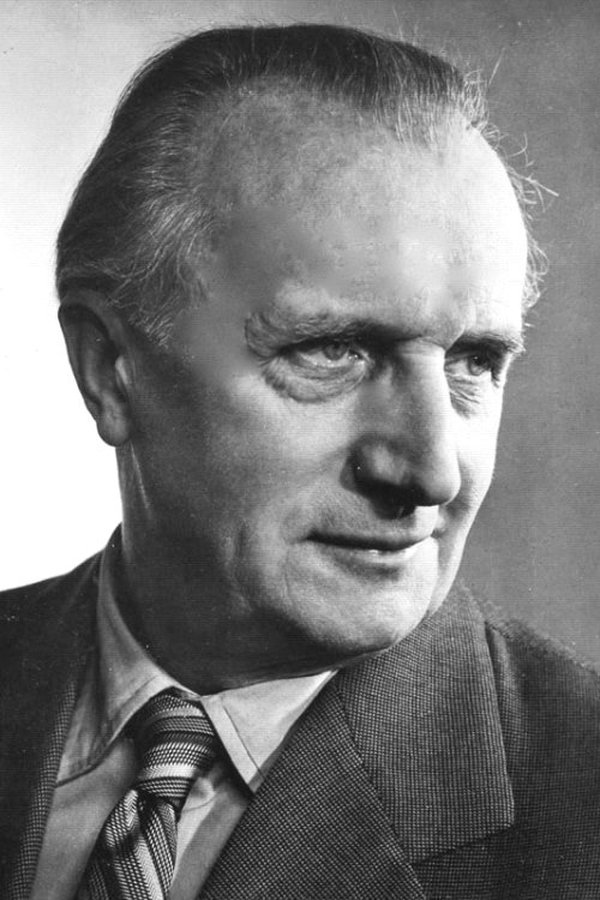
František Smolík
JUDr. K. Multrus

Jiřina Šejbalová
Julie Herdová

František Kreuzmann
Forejt

Ella Nollová
Batíková
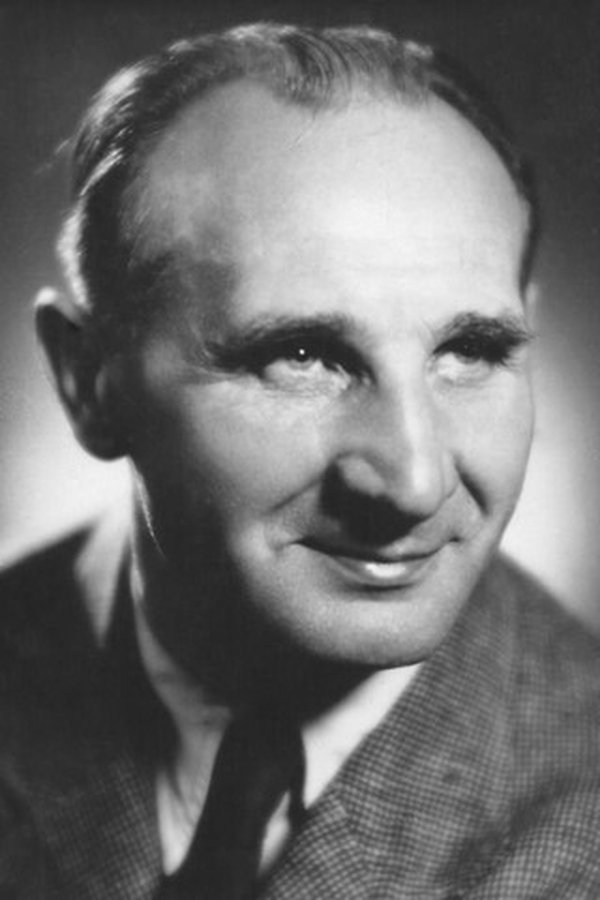
Jaroslav Vojta
Podestát

Božena Šustrová
Hanči
Stanislava Strobachová
Dora
Portraying how easy it is to be an ally heavily benefits the majority audience. The more we encourage it, normalize it, and give people the tools to become one, the sooner we can co-exist peacefully.
Strangers in a crowd, exchanging glances, looking away, continually managing to run into each other then part ways, end up at the same diner, find they've rented the exact same vehicles, and are then made to travel together to learn once more whether they can both find genuine adoration and companionship again. This really does, in so many words, sum up the foundational gist of of this new feature film from writer Seth Reiss ("The Menu") and director Kogonada ("The Acolyte", "After Yang"). Yet, it's all only the set-up for the REAL wonder of everything that happens before, during, and in the aftermath of a magical, meaningful journey.
How powerful can a story be when it is stripped to the bare essentials of just a room, a handful of people and raw human voice?
"Hustlers" returns power to groups that are traditionally deprived of it: women, the working class, and sex workers.
The Invitation takes a creeping look at two simple premises: reuniting with forgotten friends and new-age spiritualism. Though one seems a bit scarier than the other, the film heightens social awkwardness to a macabre level that puts an uncomfortable look on when the social taboo of grief is put on public display.
Nightbooks, the newest entry in children's horror, honors classic horror films, focuses on themes of acceptance, and has awesome production design.