





What Netflix’s 'Daredevil' Gets Right and Wrong About Blindness
The "Daredevil" renaissance is finally upon us! As we return to the Netflix show, let's take a look at the ways the show gets blindness right and wrong.
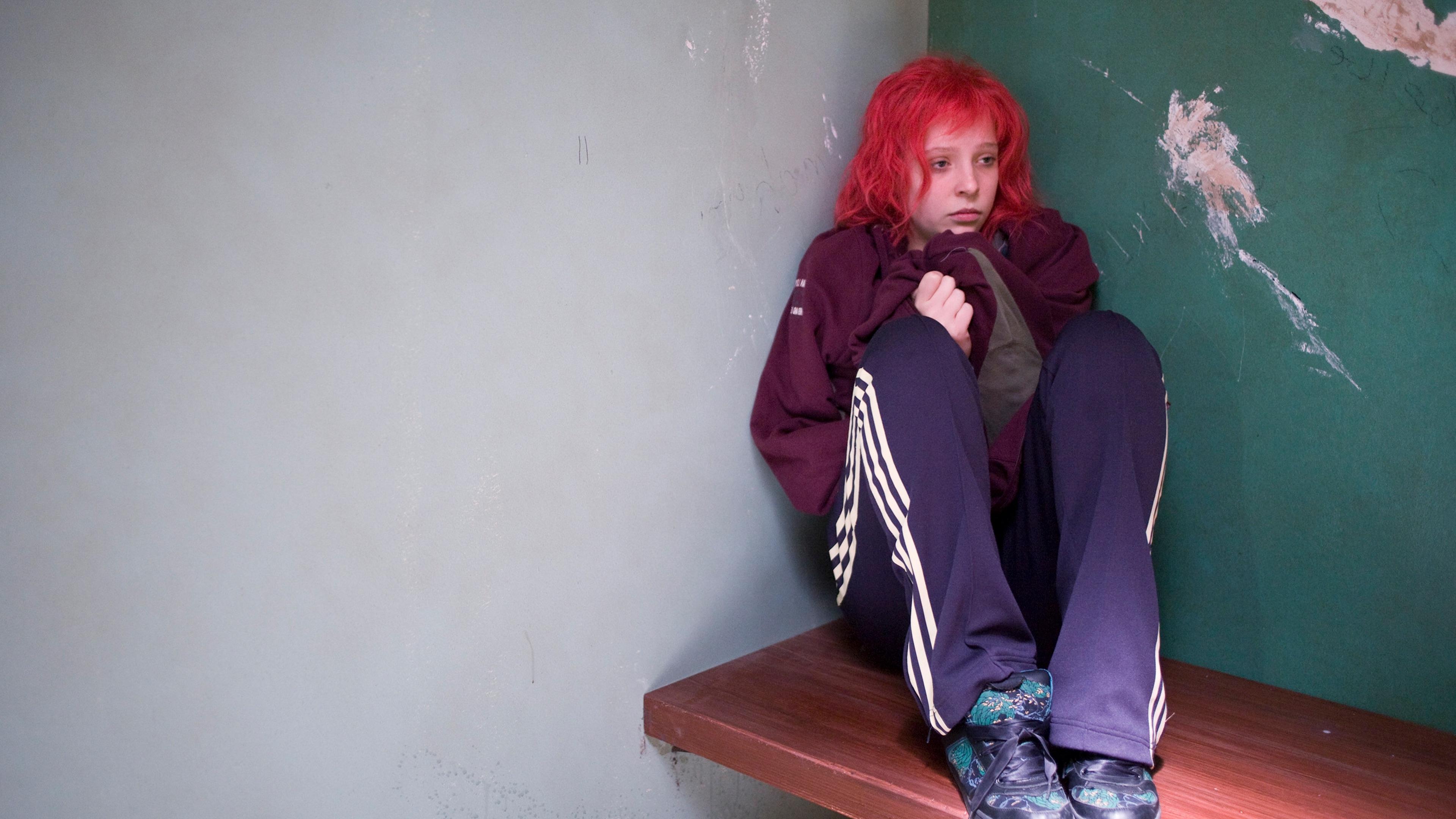



Rosa is thirteen. She is sensitive, creative and has a sense of humor. But she is also good at worrying, dissatisfied with her appearance, insecure and shy. Rosa's mother wants to live together with her new boyfriend, so they move to Groningen, where Alexander lives. Rosa hates that. She must leave everything she knows and what is familiar to her behind. including her best friend Esther. She has to go to a new school where she doesn't know anyone, and live in the house of Monkeyass! Basically, she needs a lot of things she doesn't want. How will she survive this?
The "Daredevil" renaissance is finally upon us! As we return to the Netflix show, let's take a look at the ways the show gets blindness right and wrong.
Portraying how easy it is to be an ally heavily benefits the majority audience. The more we encourage it, normalize it, and give people the tools to become one, the sooner we can co-exist peacefully.
The film, which focuses on an Argentinian family during an intimate birthday dinner, efficiently captures the eccentricities of each character as well as the nuances of their interpersonal dynamics.
Women who pray together, play together. Very rarely would I describe a story about a group of punk rockers as “whimsical”, but such an engaging array of visual and comedic components make this stand-out new series the star that it is.
This modern update of the beloved classic swaps Cyrano's signature pronounced nose for achondroplasia, for a different vision that still retains the original's essence.
In 'Little Boxes," an interracial family moves to an all-white town where they face the judgement of others who have never been exposed to people of color before.