

Getting Lost in Amsterdam
Amsterdam is a confusing movie with a meandering plot amidst a beautiful rendering of 1930s New York
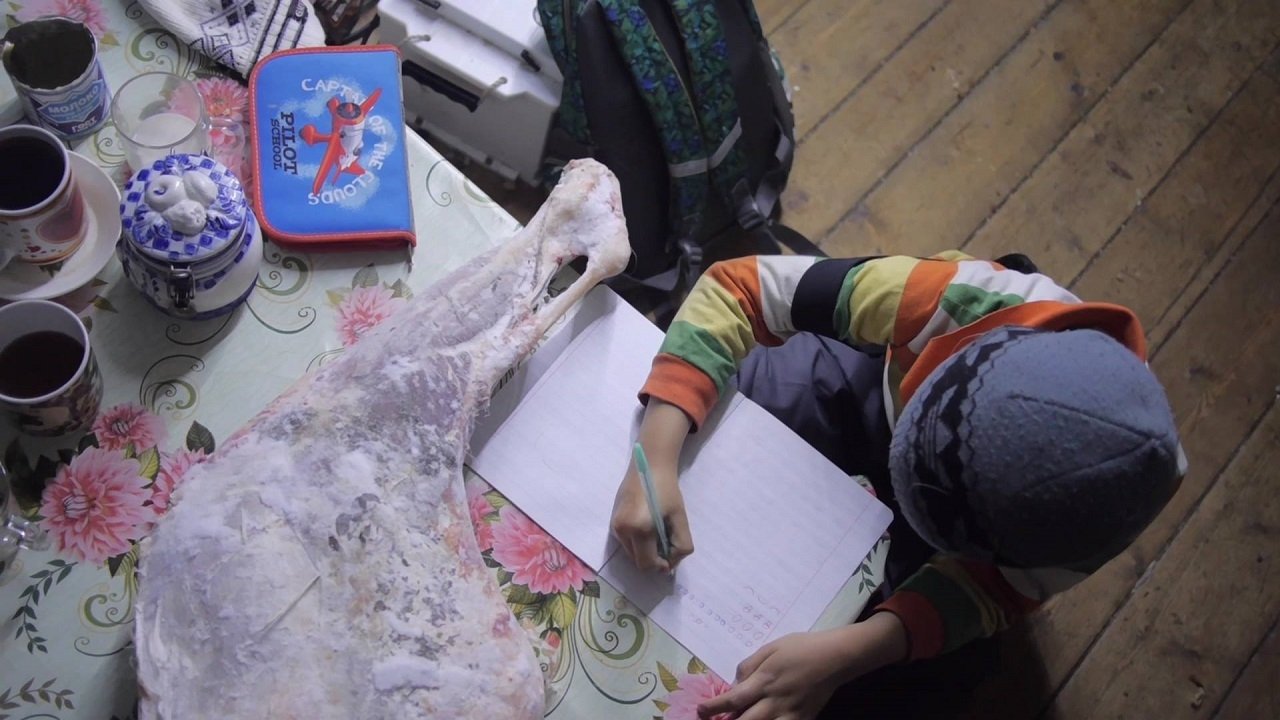
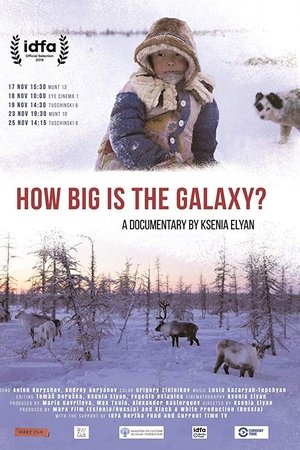


The Zharkov family-father, mother and two young sons-belong to the Dolgan community, one of the last indigenous peoples pursuing their traditional nomadic life in the extreme north of Siberia. The children used to be sent to boarding school, where they became estranged from their family and culture, but nowadays they can get homeschooling from teachers assigned to them by the Russian authorities. Seven-year-old Zakhar and his older brother Prokopy are the protagonists in this calm, observational film. Zakhar's first year of schooling is with Nelly, a young but serious teacher. She tells him about President Putin and the importance of mathematics, and he learns classical poems by heart.
Amsterdam is a confusing movie with a meandering plot amidst a beautiful rendering of 1930s New York
“And I think to myself….what a wonderful world”. Louis Armstrong sang about this notion via his classic 1967 song, an ode to witnessing elements of our life that should be but some reminders of exactly what that concluding line of each verse indicates. Now we see our contemporary realities and, just being honest, it makes a sentiment like this seem SO overtly far away….perhaps even impossible….to accept or believe could be. It sounds harsh, but again, so much of what is occurring speaks not to beauty, but bedlam.
Ripley is a great character because she serves two distinct, but rewarding, purposes in the original film and the sequel.
Disney's live-action remake is vibrant and beautiful, with updated music and classic enthusiasm, but it fails to push the envelope and provide nuance for Ursula.
A pampered dog who gets lost and has to learn to live on his own while being flexible with surroundings.
The social issues The Half of it takes on are handled well, between the antagonization brought on to Ellie for her race and the conflict that arises from her being gay. Both aspects of her character are built up over the course of the film and don’t seem abrupt or rushed. The film shows racism towards Ellie and her and father in varying levels, from having her schoolmates specifically address her as "Chinese girl” to the fore mentioned way her Dad is treated due to language barriers. The same can be said about Ellie being a lesbian. While she never truly “comes out” in the narrative, that does not undermine her journey of self-discovery from being meaningful. These ideas aren’t thrust upon the viewer in a preachy manor, the scenarios that occur feel believable given the rural setting. The film presents watchers with problems whom those like Ellie may face, and leaves us to sit with them and reflect.