








Knives Out: Sharpest Writing of 2019?
Knives Out doesn’t just defy the whodunit narrative, it uses the weaknesses to its advantage. It’s well aware of the genre’s faults and tropes

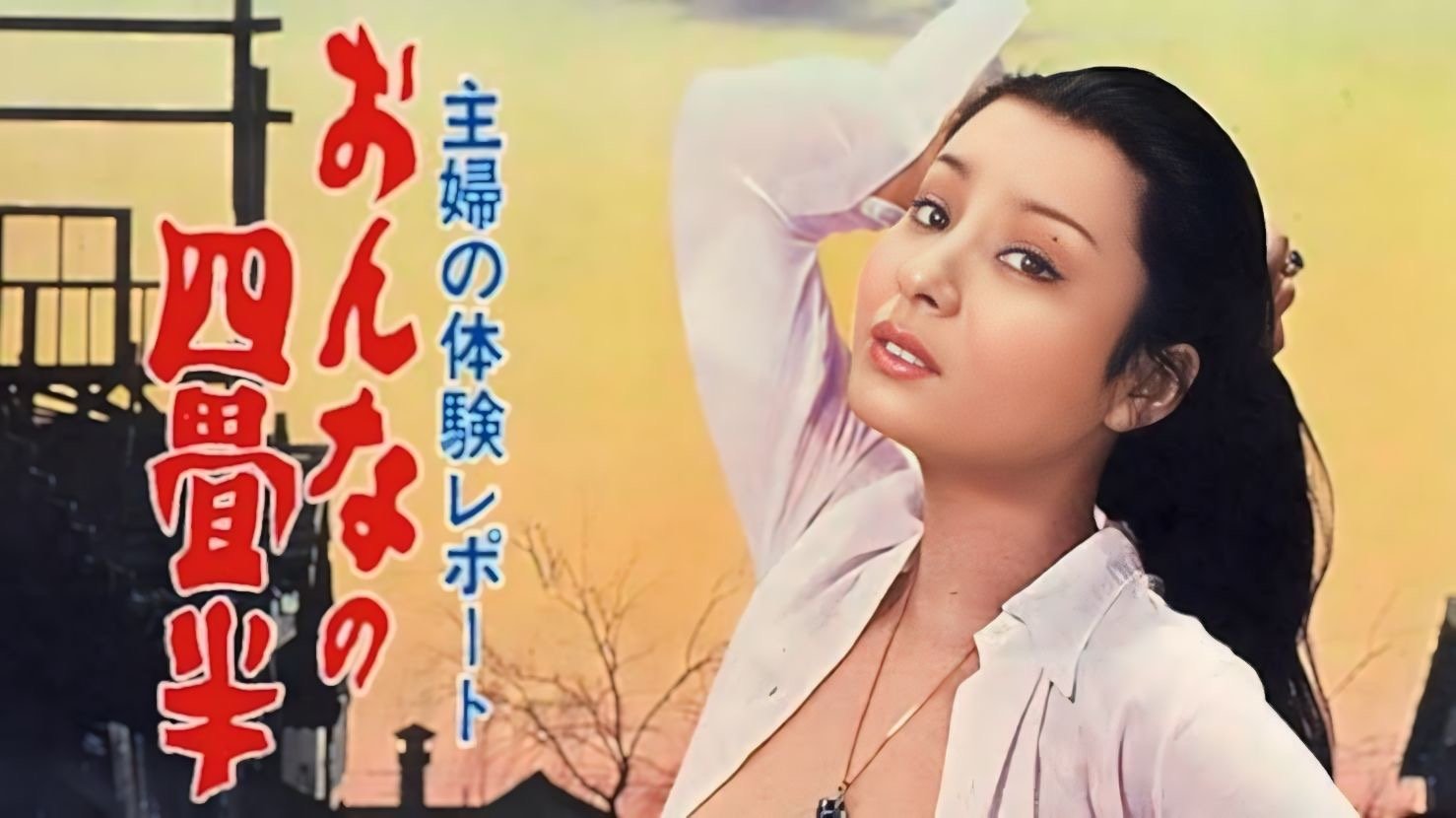
Noyuri lives in Fudōsō, a dilapidated apartment building in downtown Tokyo. The owner of Fudōsō is Noyuri's father, Harukichi, but he lost his house and property due to his gambling and womanizing, and is now living with a young woman. Noyuri manages to make ends meet by running the remaining Fudōsō and a small oden shop. One day, Harukichi shows up with a young sexy woman named Shinako. He says she's run out of money and is in debt, so she wants to stay in Noyuri's room for a while. Noyuri initially refuses, but eventually gives in and decides to stay at the oden shop...
Knives Out doesn’t just defy the whodunit narrative, it uses the weaknesses to its advantage. It’s well aware of the genre’s faults and tropes
"Boston Strangler" pulls the curtain back on a well-documented historical moment involving significant contributions from women reporters.
An aspect of She-Ra that I find refreshing is even though a large portion of the cast is on the LGBTQ+ Spectrum, being gay is never mentioned. While this might initially sound like a negative thing, in the show’s land of Etheria being on the gay spectrum is shown to be so common and normalized that straight isn’t the default. As much as there is to appreciate about narratives revolving around the obstacles that may come from being non-heteronormative, it’s nice to get immersed in a world where no one bats an eye at all to any sort of differing identity.
Despite its aggressiveness, the Beef anthology series is about romantic love in all its forms. The final scene of the first season led us to believe that, despite the conflict, drama, and toxic traits, the main characters would end up together and, most likely, live happily ever after. The whole “beef” plot was the prelude to their love story.
Some people’s first introduction to Mira Nair might be as New York mayor Zohran Mamdani’s mom. But with her insightful direction of 1991’s Mississippi Masala, Nair shows how much she deserves to be known as an artist. Delivering a nuanced portrait of a romance between a Black man and an Indian woman living in the South, Nair explores the complications each character faces, giving both equal weight.