






A Closer Inspection of LGBT Characters in Film
We have a long way to go with LGBT representation in film, especially when it comes to LGBT characters of color and trans characters.

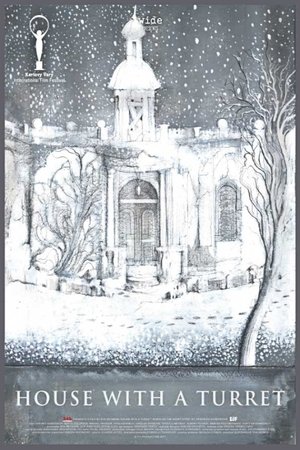
During the final winter of WWII, as displaced persons return to their former homes in the Soviet Union, an 8-year-old boy is left alone when his mother dies en route.
We have a long way to go with LGBT representation in film, especially when it comes to LGBT characters of color and trans characters.
The Slumber Party Massacre wonderfully combines the suspense of its horror with its commentary on gender, creating a memorable slasher classic that began a horror trilogy entirely written and directed by women.
An episode of "The Sopranos" articulates an identity crisis unique to the Italian-Americans and demonstrates how Indigenous communities are pushed aside in the ensuing debate.
Ben Affleck leads The Way Back, a seemingly cathartic film for him after the actor’s recent bouts with alcoholism and rehab. He plays Jack, a man fighting his own battles who happens upon coaching a boys’ basketball team, the same team he once played for back in high school.
It’s easy to dismiss Joel and Ethan Coen for writing from the world they build from outside the box of overarching Hollywood stereotypes, but their inability to compromise their collective vision is precisely what makes the simplistic nature of their world-building and characters so brilliant. It’s also what led Fargo to collect seven Oscar nominations and two wins for Best Original Screenplay and Best Actress for Frances McDormand’s brilliant portrayal of the sincere, motherly detective whose wholesome demeanor seizes the day over the selfishness, corruption and evil of the men who don’t comprehend that there’s more to life than a little money.