







"The Woman in Cabin 10" (2025) Should Have Stayed Faithful to the Book
I’m disappointed in The Woman in Cabin 10, but that’s at least in part because of my love of Ruth Ware’s novel.
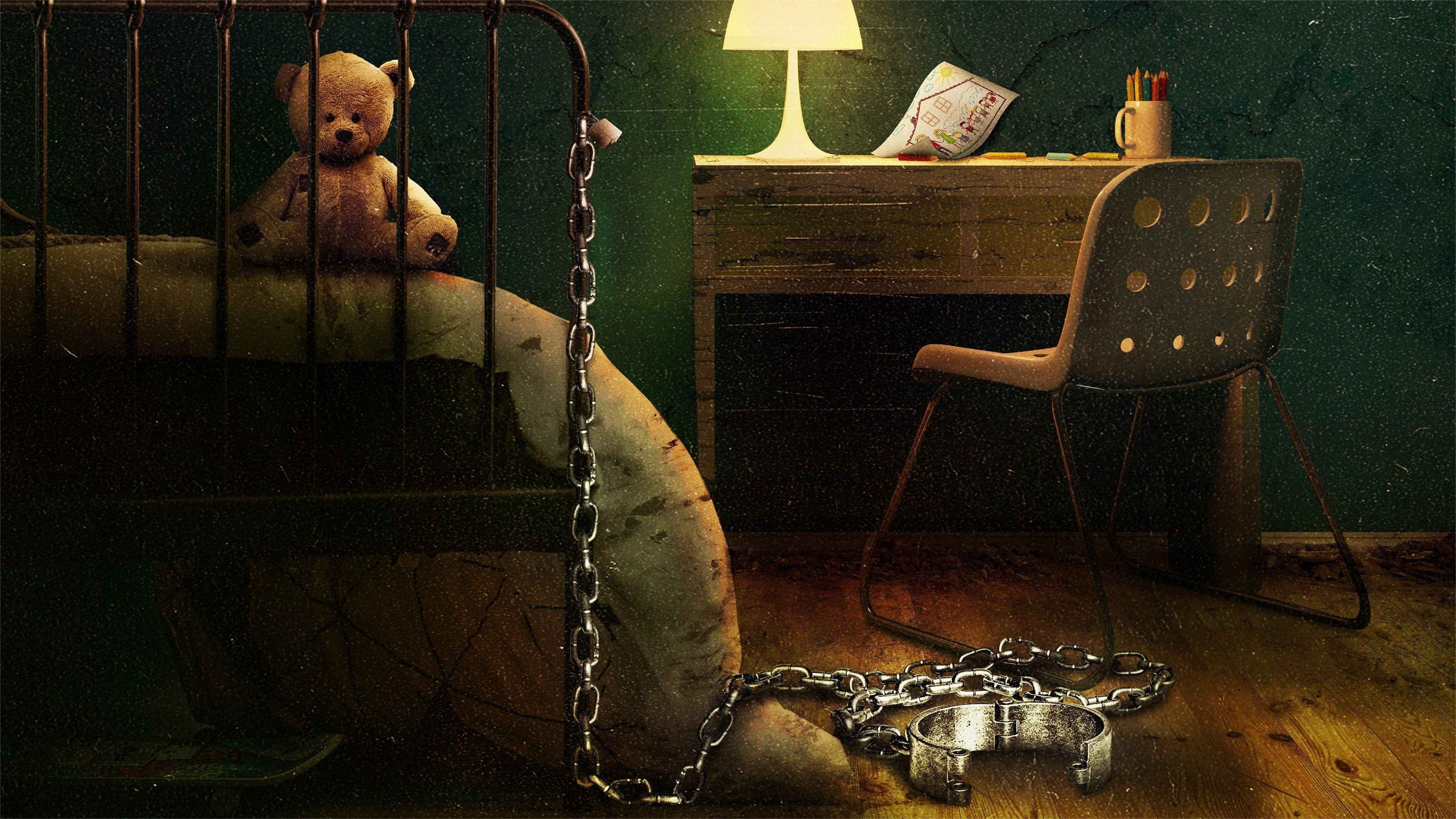



It follows a troubled married couple as they imprison their six children due to their intense religious ideology.
I’m disappointed in The Woman in Cabin 10, but that’s at least in part because of my love of Ruth Ware’s novel.
When diverse representation is featured on-screen, it oftentimes comes with strings attached that undermine the message they were trying to send. This can be attributed to the fact that behind-the-screen, the industry primarily does not reflect the breadth of diverse difference that is present in daily life. That’s why when something as powerful and authentic as Minari comes along, it is both incredibly wonderful and needs a large audience to witness it.
Outer Banks (2020-) knows its audience: young adults in a country that can’t stop romanticizing good ole’ treasure hunts. Add a little of Riverdale’s (2017-) sex appeal, and no one can look away. Forty years after The Goonies (1985) America’s consciousness hasn’t strayed from the same tropes: treasure hunts, a vulnerable white male lead, and the whitewashing of a racially segregated setting.
Elio could be seen as fantastic piece of representation, showing lonely children who feel ostracized that they are not alone. That is, unless you look behind the curtain.
Ripley is a great character because she serves two distinct, but rewarding, purposes in the original film and the sequel.
A refreshing twist is that all the kids’ powers are…kind of useless. There’s a kid who can only move in slow motion, a kid who has every power in the world but can only use them randomly, and our main character Missy who has no powers at all. The thesis of the film seems to be that it doesn’t matter what kind of powers you have, its the way you use them, which is good for the warm and fuzzies.