
“Verity” and Grief’s Numerous Forms
The actions that Verity confesses to are tragic. But the way to prevent those actions isn’t to force the related emotions into the shadows.
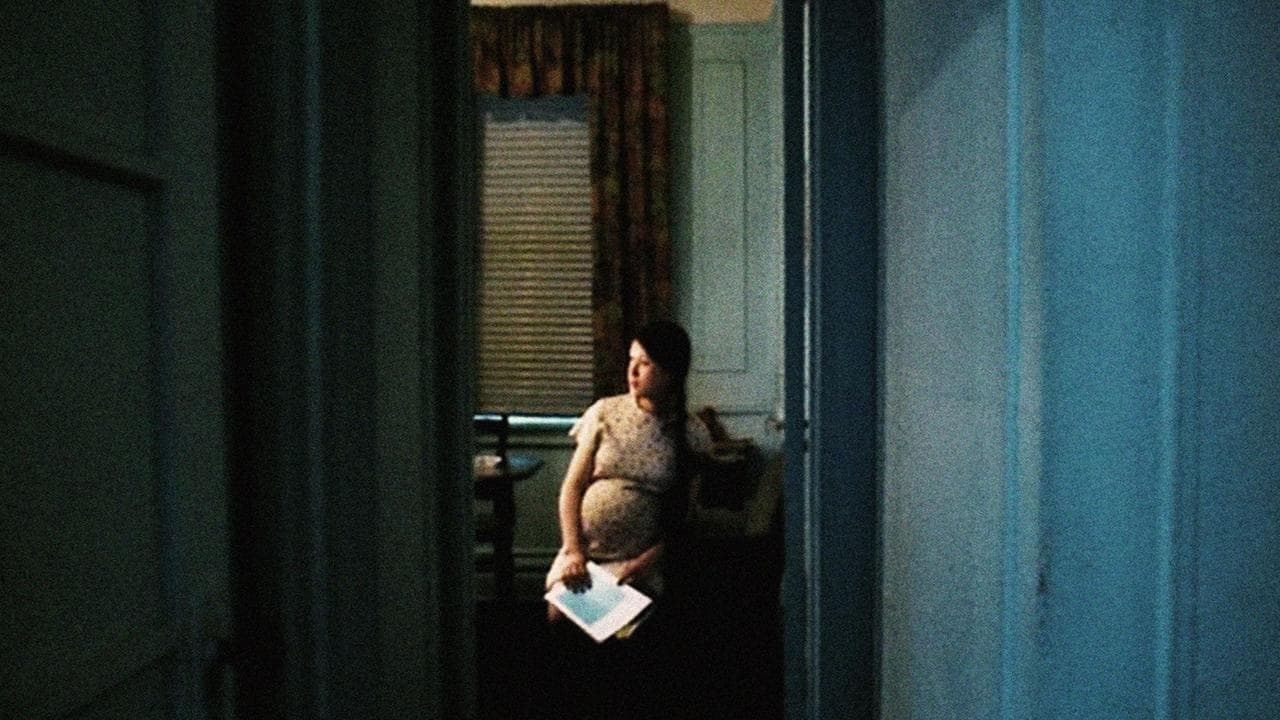



New York City's Monterey is a residence hotel, whose inhabitants are older and primarily live alone. The camera, usually stationery, observes the lobby. No score, the lobby is clean with granite floors, men wear hats, people enter and exit an elevator, the camera looks out from within the elevator as doors open and close. People sit alone and motionless in their apartments. There are long shots of empty halls. Paint peels. The flooring on upper levels is linoleum. Hall lights are florescent. Doors open a crack then close.
The actions that Verity confesses to are tragic. But the way to prevent those actions isn’t to force the related emotions into the shadows.
Fire Island is Hulu's most recent romantic comedy and the latest spin on the Jane Austen classic, Pride and Prejudice.
Coverage from the Austin Film Festival, highlighting some panels and films that emphasized the importance of diverse and inclusive storytelling.
When they’re young, they’re America’s darlings but, when they become teens and adolescents, they’re instantly perceived as harbingers of immorality. They’re Lindsay Lohan, Macaulay Culkin, Justin Bieber, and Britney Spears. But, despite what many media outlets, politicians, and the general public may think, they are human beings above anything else. The new Billie Eilish documentary, Billie Eilish: The World’s A Little Blurry, proves this — showing the trials, tribulations, and humanity when growing up with all the world’s eyes on you.
The film seems like an extreme interpretation of the conspiracy theorists that exist in real life. And then, there’s the twist.
It’s dark, uncomfortable, and there are things that don’t make sense.