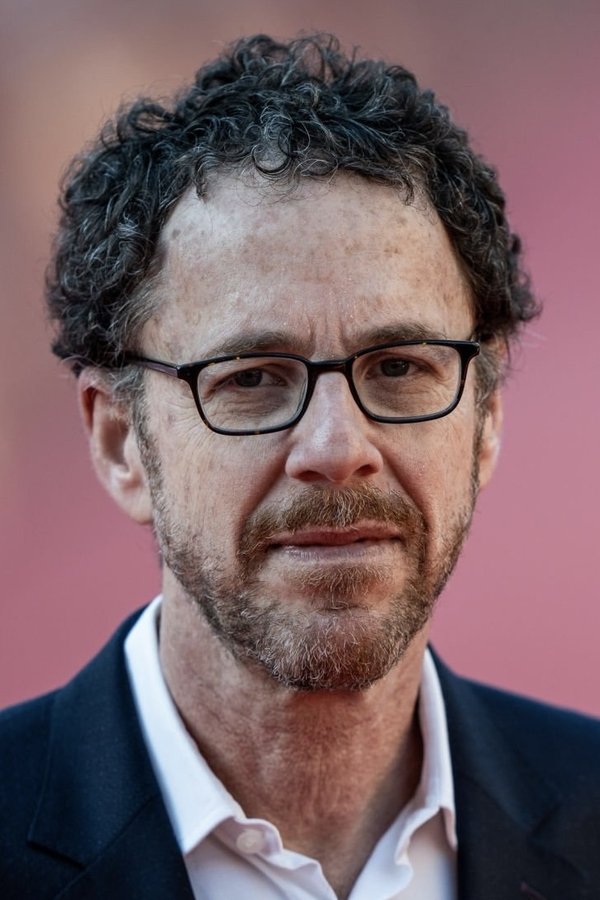
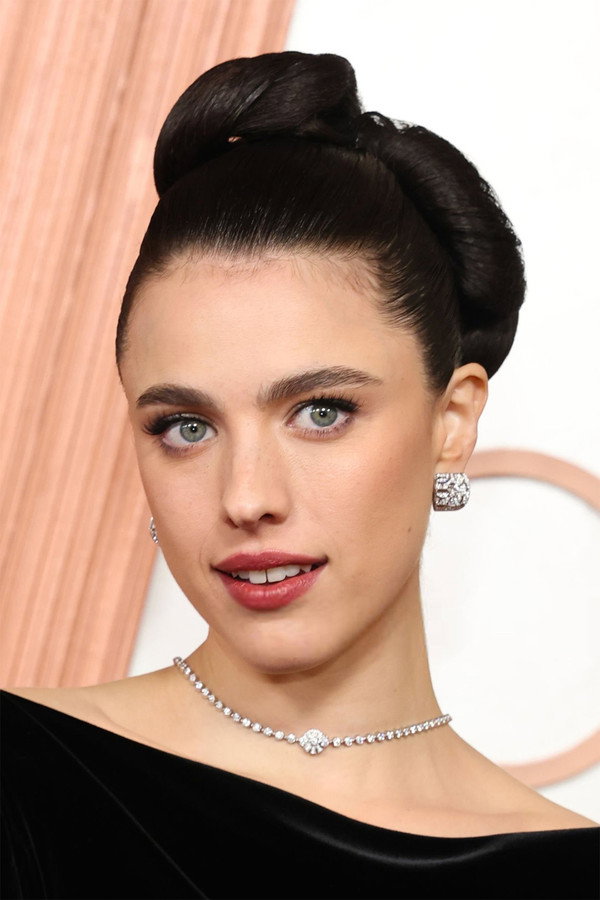
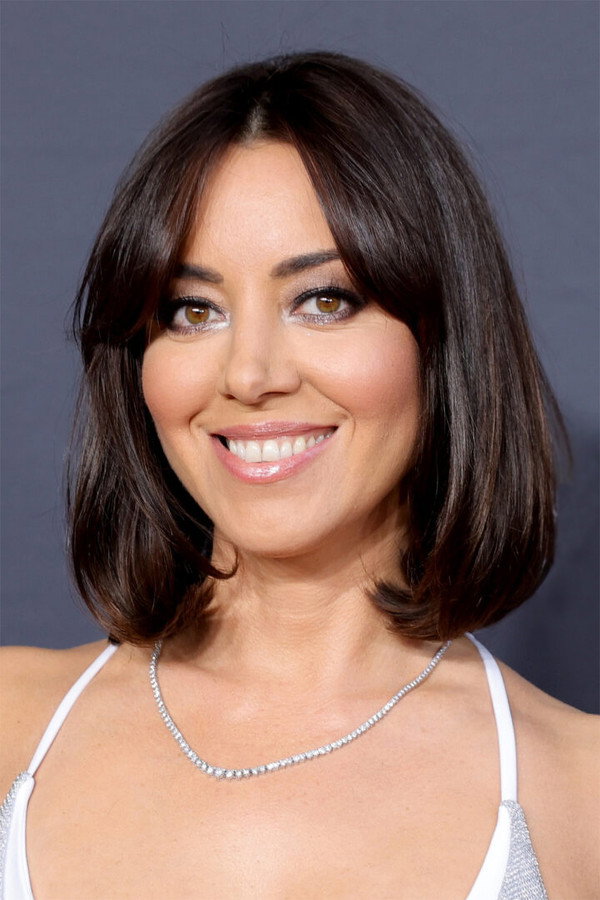
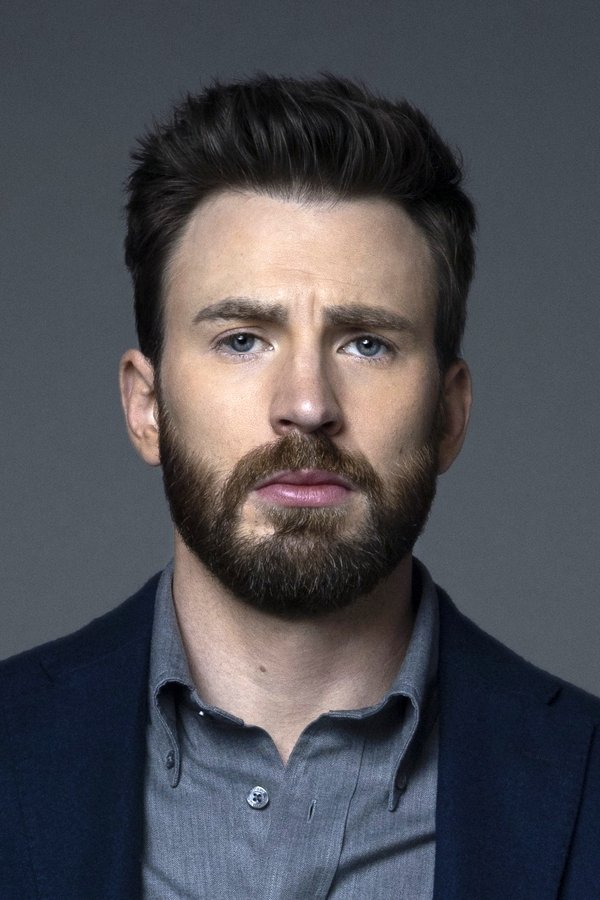
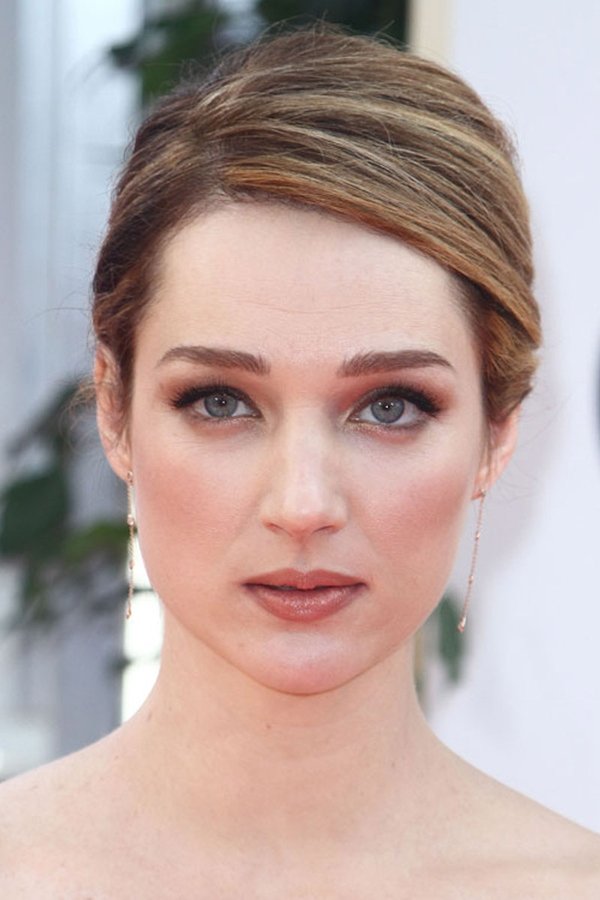
Like Fourth of July fireworks, the film Honey Don’t is colorful and fun to look at, delivering many bangs (sex and guns!) for your buck before quietly fading out. Honey O’Donaghue (Margaret Qualley) is a private detective whose client dies before Honey ever gets the chance to meet her. After talking to the client’s parents, Honey investigates a link with the Four-Way Temple, meeting its unctuous leader Drew Devlin (Chris Evans). Behind closed doors, the church is selling drugs and the reverend sexually preys on confused women. Meanwhile, in her personal life, Honey’s in lust with MG Falcone (Aubrey Plaza), a police officer, and tries to help Corinne, her niece who’s getting battered by a boyfriend. As further deaths circle back to the Four-Way Temple and Corinne disappears, Honey finds she can trust no one in her search for answers.
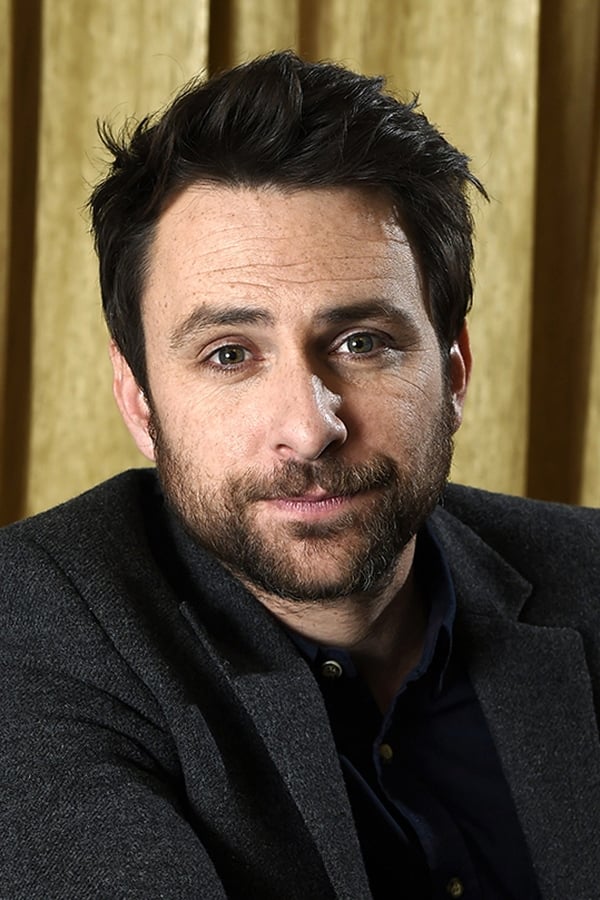
Like an escapee from a 1940s film noir. Honey pairs a red lip with her retro wardrobe; form-fitting dresses, ruby high heels, back seam stockings. She uses a rolodex instead of a computer and eschews cell phones. But the Hays Code would never have approved the constant reminder she gives hopeful police detective Marty Metakawich (Charlie Day): “I like girls.” Though Honey’s appearance still appeals to the male gaze, the film inverts the usual film noir universe centering manipulative femme fatales. In this world, the women don’t lead the men astray, quite the opposite. The reverend is a predator. The partners of Honey’s sister and niece are abusive. Honey and MG’s fathers are terrible parents. At best, men are feeble and inconsequential, like Marty.Though woman-focused, this world, set in Bakersfield, CA, is mostly viewed through a white lens. Honey’s Black assistant, Spider (Gabby Beans), is great at witty banter but is given little else to do. Aubrey Plaza, Puerto Rican, working class, and a woman, is a bold choice for Honey’s love interest and there are some spicy bedroom scenes, but the movie’s ending flirts with the idea of Honey ending up with someone more aesthetically aligned with herself.
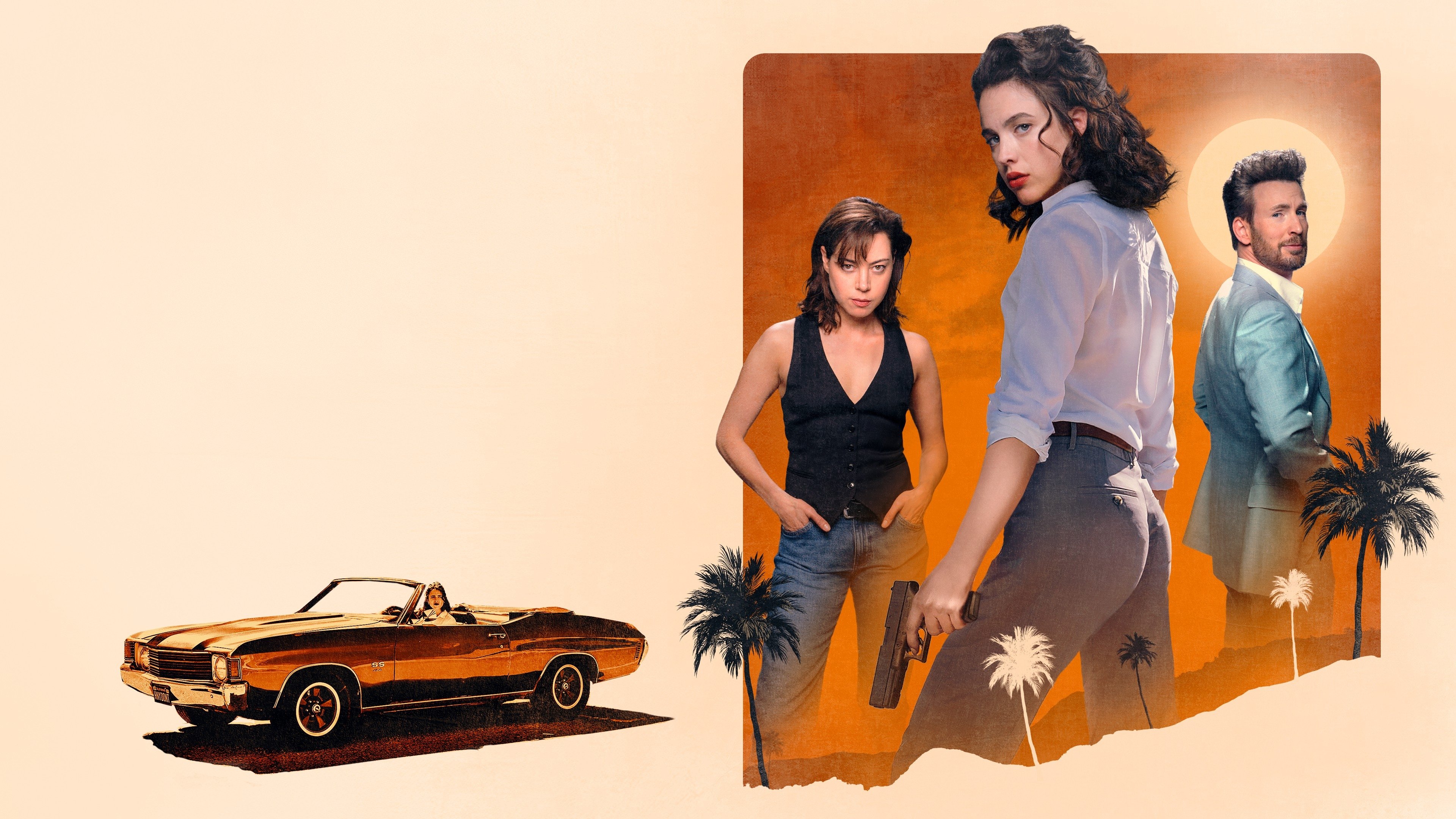
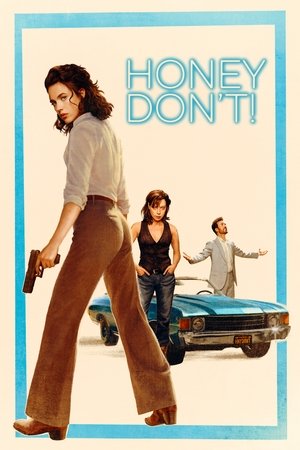

After the release of last year’s Drive-Away Dolls, lesbian audiences set their sights on the next Tricia Cooke and Ethan Coen collaboration, Honey, Don’t! The film follows the eponymous Honey, a lesbian private detective, as she goes about her life in a small town in California. Margaret Qualley’s Honey is bold, confident, and sexual, making for a compelling and entirely different (I would go so far as to say better) character to the one she played in Drive-Away Dolls.
Qualley’s performance, however, is hamstrung by a messy plot that lacks coherence even in its final moments. It’s difficult to even provide a straightforward synopsis without spoilers because of how frequently the central mystery not just twists but changes entirely. Rather than attempt to directly review the movie (something Incluvie writer Nilufer Ozmekik has already done better), I wanted to take the time to break down the lesbianism in the film, because that’s what I do best.
One plot point that stayed consistent throughout the film was the relationship between Honey and MG, a police officer played by Aubrey Plaza. From the first time they are on screen together, it’s clear there’s a mutual attraction and we get to see that play out. Honey and MG both don’t want much from a woman. Our first time seeing Honey, she is leaving a woman in her bed and informing her that the door will lock on her way out. Neither crave a relationship, and in many ways that’s what allows them to fit together.


Ethan Coen is back with Honey Don’t!, the second film in what he and Tricia Cooke are calling their “lesbian B-movie trilogy.” After the mixed reactions to Drive-Away Dolls, I went into this one with cautious curiosity — especially when I saw Margaret Qualley leading the cast again. At first I thought, please, not a sequel to that misfire. But this isn’t a continuation — it’s its own strange, seductive creature. And while the movie has its flaws, I walked out more entertained than expected, equal parts amused, puzzled, and still hopeful for the trilogy’s finale.
The setup is irresistible: Qualley plays Honey O’Donahue, a small-town PI who finds herself unraveling a string of deaths connected to a shady church and its unnervingly charming pastor. Honey is no ordinary detective — she’s part femme fatale, part gumshoe, equal parts cynical and irresistibly playful. Qualley absolutely owns the role, strutting across Bakersfield crime scenes in tailored pantsuits, tossing out one-liners sharp enough to cut glass. She’s captivating to watch, proving again why she’s one of Hollywood’s most exciting young stars.

Honey O'Donahue, a small-town private investigator, delves into a series of strange deaths tied to a mysterious church.
John Fawcett’s "Ginger Snaps" intertwines the lore of the werewolf to the hellish experience of a young girl going through puberty.
Disney's live-action remake is vibrant and beautiful, with updated music and classic enthusiasm, but it fails to push the envelope and provide nuance for Ursula.