

Hollywood & Wine (2013)
Diane Blaine has the face of a movie star. Unfortunately, fallen star/tabloid queen Jamie Stephens already made it famous. Hollywoods constant rejection due to what Diane refers to as "TJS" ("Too Jamie Stephens") has made her bitter, frustrated....and, yes, whiny. Co-worker/boyfriend Jack Sanders doesn't help matters. His idea of ambition is letting it ride. Now he's in major debt to a trigger-happy mobster who, interestingly enough, has a thing for Jamie Stephens. Jack's only way out? Convince Diane to be Jamie and wipe out the debt having one meal with a made man. It's literally the performance of her life. With Jack's on the line.

- / 5
PopScore
Representation
Pictures and Videos

Movie Information
Diane Blaine has the face of a movie star. Unfortunately, fallen star/tabloid queen Jamie Stephens already made it famous. Hollywoods constant rejection due to what Diane refers to as "TJS" ("Too Jamie Stephens") has made her bitter, frustrated....and, yes, whiny. Co-worker/boyfriend Jack Sanders doesn't help matters. His idea of ambition is letting it ride. Now he's in major debt to a trigger-happy mobster who, interestingly enough, has a thing for Jamie Stephens. Jack's only way out? Convince Diane to be Jamie and wipe out the debt having one meal with a made man. It's literally the performance of her life. With Jack's on the line.
Rating:
Genre:Comedy, Thriller
Written By:John Farley, Matt Berman, Jennifer Farley, Kevin Farley
In Theaters:8/12/2013
Box Office:$8,000,000
Runtime:95 minutes
Studio:Aloe Entertainment
Cast

Kevin Farley, Matt Berman
Director


Chazz Palminteri
Geno Scarpacci

Nicky Whelan
Jamie Stephens / Diane Blaine
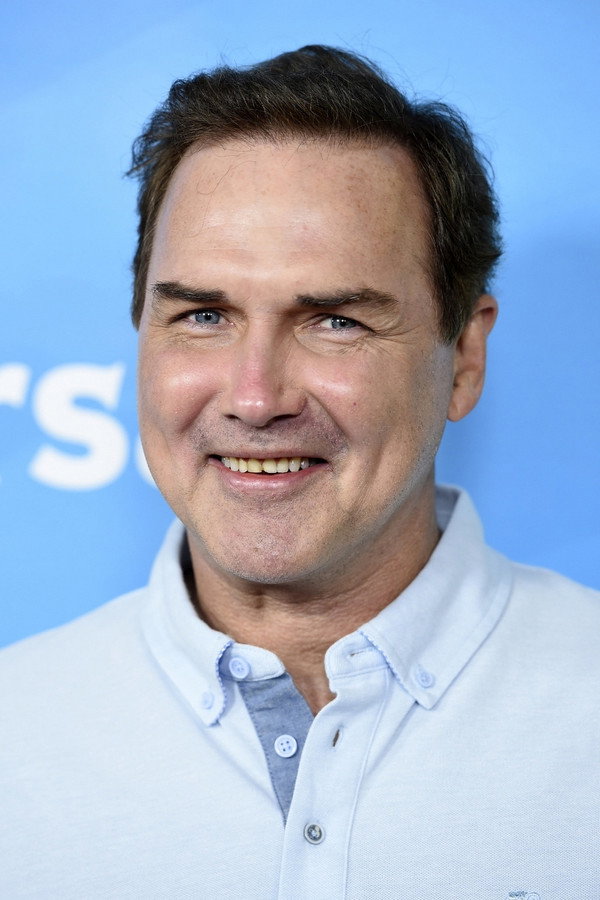
Norm Macdonald
Sid Blaustein

Chris Kattan
Jack Sanders

Horatio Sanz
Tony

Vivica A. Fox
Jackie Johnson

Pamela Anderson
Jenifer Mary

Chris Parnell
Peter West

David Spade
Harvey Harrison (uncredited)
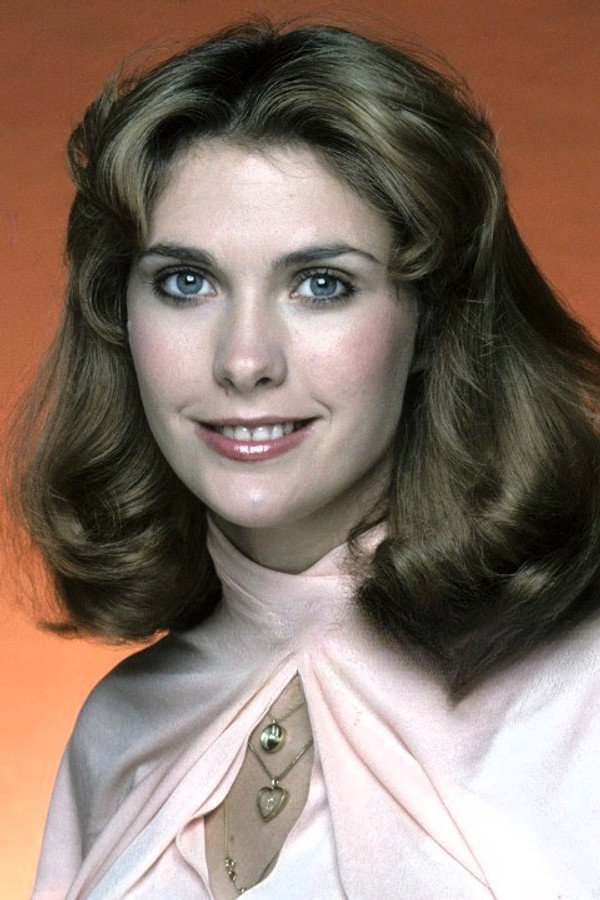
Colleen Camp
Judge

Tracy Dali
Bailiff
Articles You May Like
The Rise of a Kindhearted Comedy Hero: The Anti-Toxic Masculinity Message of Brendan Fraser Films
Throughout Brendan Fraser’s career, he has played a plethora of unique, layered characters who explore the importance of not being afraid to display your emotions, something that is often seen to not be a masculine trait. This idea of regulating emotion and what traits men are able to possess creates a toxic atmosphere for men who are often told they should not cry or represent their emotions in any physical way. These characters represent that men can be joyful, emotionally conscious, and sensitive, while also representing their masculine identity instead of painting those qualities as fighting against their masculinity.
Eve and Villanelle's Bond Breaks Barriers in 'Killing Eve'
I’m still trying to comprehend the psychological and moral implications of their fascination with each other, or why their almost written-in-the-stars depth of connection makes so much sense.
It Goes all the Way to the Top: Motherless Brooklyn
'Motherless Brooklyn' is a 1950s whodunit made by its star, Edward Norton. Like most detective films in this setting, the cast is mostly white males (with a few notable exceptions).
Deadly Garage Sale: An Absurd Movie with an Irresistible Title
Although bogged down by a slow pace and moralistic intent, ‘Deadly Garage Sale’ (2022) makes the most of its silly and nonsensical premise.
Beautiful "Materialists" Can't Quite Find Its Footing
It is a truth universally acknowledged that a single woman will be happiest if she marries a man with a good fortune, similar upbringing, matching attractiveness levels, and compatible politics.