

"A man has got to see his face." Horror Noire: A History of Black Horror
This documentary moves chronologically through Black representation in horror films, revealing the genre's connections to Black history.
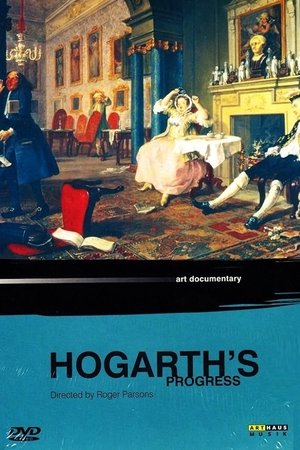


Satirical, critical, talented – William Hogarth was one of the most original British artists of the 18th Century. The son of a poor schoolmaster made a name for himself as a portraitist and became best known for his satirical etchings. In strange and graphic tales, such as A Harlot's Progress, he denounced the social and political injustices of his time. Often pirated, Hogarth fought for the first image copyright law. Together with illustrators and writers from today, Andrew Graham-Dixon explores Hogarth's birth city London and recounts the life and work of a man who is regarded as the forerunner of modern caricature.
This documentary moves chronologically through Black representation in horror films, revealing the genre's connections to Black history.
While the director didn't set out to make a feminist film, "A Girl Walks Home Alone At Night" reads as a reclamation of female power in a patriarchal society.
While it is more than established that Halston’s life is far from a fairytale, the narrative suffers as a result of the decision to revolve more around sex and drugs than his artistry, it likely does a disservice to his cultural impact by pulling focus from his achievements.
The concept of male fragility is explored (interestingly, by a male director) in The Sun Never Sets
When the world lost Chadwick Boseman on August 28, 2020, we all saw the impact of representation in film. Boseman was not only a Black superhero leading a Black cast in one of the most successful films in history; but his successes paved the way for more, long-overdue diversity in Hollywood.