



"A man has got to see his face." Horror Noire: A History of Black Horror
This documentary moves chronologically through Black representation in horror films, revealing the genre's connections to Black history.
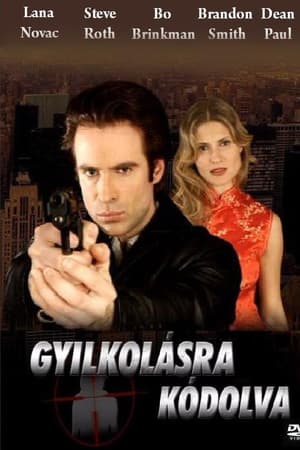


The Face of the Serpent is an action-thriller with strong political undertones of local government corruption. The film focuses on a morally conscious assassin called Quinn. His next target is a Russian immigrant named Tasha, whom Quinn is misled into believing is a drug courier. During Quinn's surveillance of Tasha, planning for the perfect moment to make his kill, he becomes infatuated with her beauty and pure innocence. Ultimately, Quinn rescues Tasha from the hands of another assassin and takes her into his protection. The two join forces to find out who wants her dead and why. In the process, Quinn discovers secrets from his past and battles with the inner demons that made him the man he is today.
This documentary moves chronologically through Black representation in horror films, revealing the genre's connections to Black history.
It surely isn't for everybody and could certainly offend some folks, but Troll Hunter takes a different approach to representing religion in a film.
After the untimely death of his brother by way of an ambush in Kandahar, Afghanistan, the protagonist, ‘81’(Alan Ritchson) unsuccessfully makes several attempts to become an Army Ranger. On his last mission to complete the Ranger selection process he and his squad encounter an otherworldly ‘soldier’.
That gut-wrenching feeling you have while watching it is okay but needed, and you, the viewer, will be okay.
'The Menu' has a strong story. The 5 acts, which are defined by the courses, are an excellent subversion of the classic 5-act film structure.
"WHAT ARE YOU WILLING TO SACRIFICE?!!!!" "EVERYTHING!!!!!" This is but one of a multitude of highly emphatic questions, and subsequent answers, being asked in the newest feature film from one of the current masters of horror, Jordan Peele ("Get Out", "Us" and "Nope"). I must give Peele credit in that he continues to push the boundaries of specific genres and their associated tropes in order to provide what ends up amounting to subtly then jarringly intense, yet still character and story-driven, cinema that speaks more to indie stylings than mainstream.