Demonic Is Trippy Sci-Fi Fun, and That’s About It
It's good for your film viewing needs, but isn’t going to shake your world. Demonic is trippy sci-fi fun, and that’s about it. And that's pretty cool.
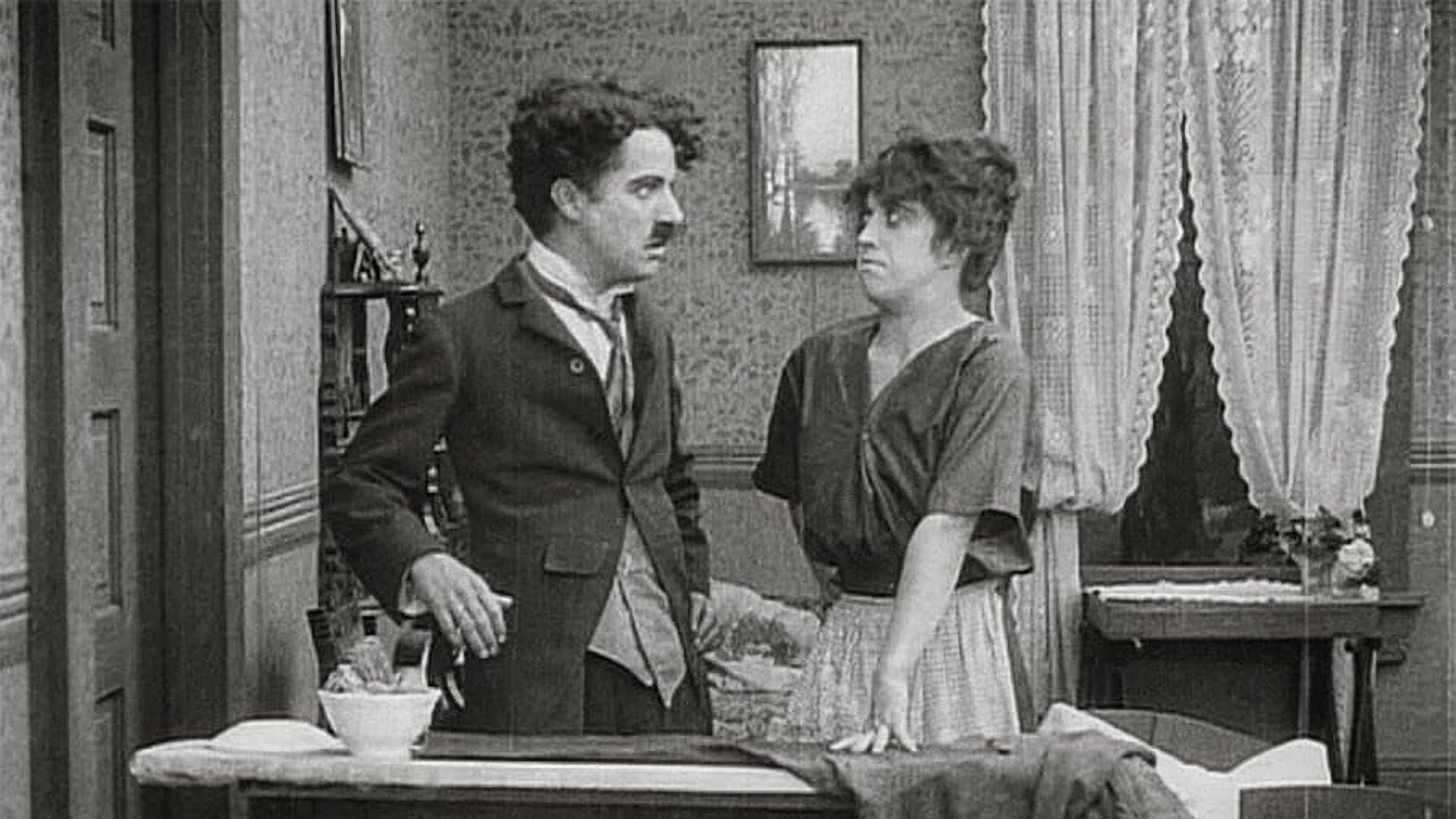
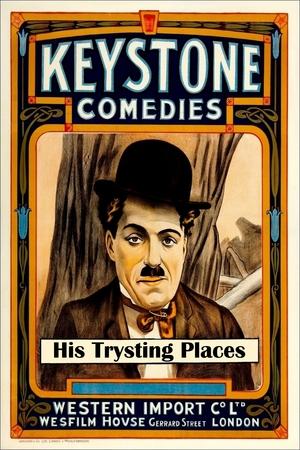


On his way to a restaurant, Ambrose, a happily married man, obliges to mail a letter for a woman in the apartment lobby. Unbeknownst to him, the letter is about a rendezvous with her own lover at their "trysting place". Elsewhere, after some domestic frustration, Charlie runs an errand to buy a baby bottle before stopping at the same restaurant. After a confrontation there, they both inadvertently leave with each other's coats. Later, their wives independently discover what appears to be incriminating evidence of extramarital affairs from the pockets of the swapped garments. It all comes to a head when all four of them find themselves at the "trysting place" in the park.

Charlie Chaplin
Director

Charlie Chaplin
Clarence, the Husband

Mabel Normand
Mabel, The Wife
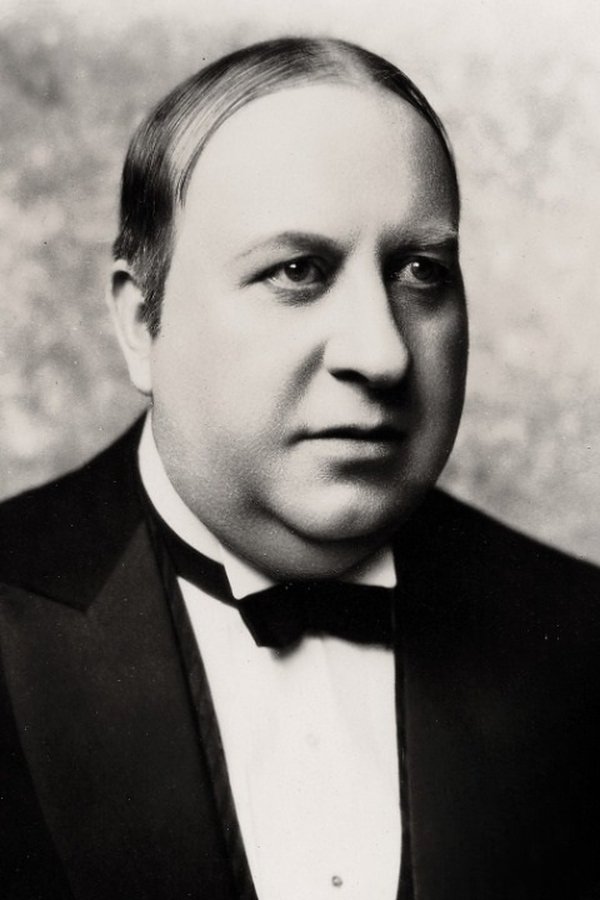
Mack Swain
Ambrose
Phyllis Allen
Ambrose's Wife
Helen Carruthers
Clarice (uncredited)

Glen Cavender
Cook / Park Police Officer (uncredited)
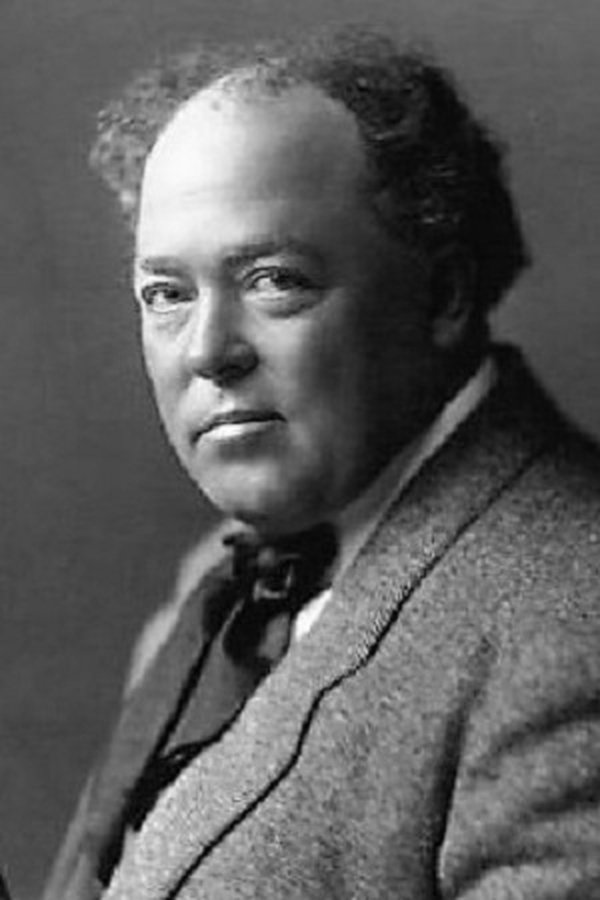
Nick Cogley
Bearded Diner (uncredited)
Ted Edwards
Diner with White Shoes (uncredited)
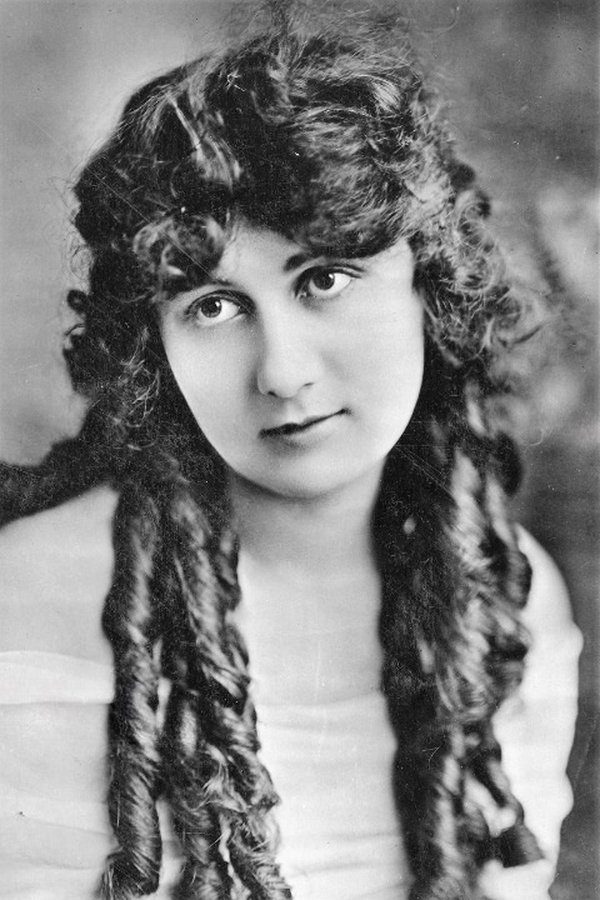
Vivian Edwards
Woman Outside Restaurant (uncredited)

Edwin Frazee
Thrown Pie Recipient (uncredited)
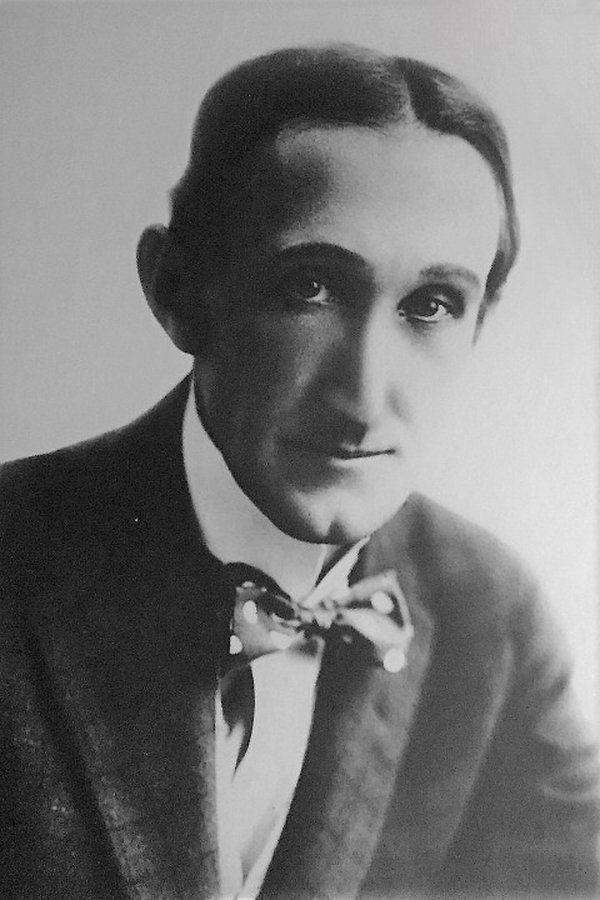
Frank Hayes
Diner in Bowler (uncredited)
It's good for your film viewing needs, but isn’t going to shake your world. Demonic is trippy sci-fi fun, and that’s about it. And that's pretty cool.
Ranking The Purge films gives us one forgettable film, two mid-tier movies, and two horror masterpieces. This list can help you decide which films to watch first!
The Invitation takes a creeping look at two simple premises: reuniting with forgotten friends and new-age spiritualism. Though one seems a bit scarier than the other, the film heightens social awkwardness to a macabre level that puts an uncomfortable look on when the social taboo of grief is put on public display.
The film didn’t have to be as long as it is. It just dragged on and on with scenes that had no substance. Every so often we get an action scene, and even those isn’t that fun.
I have talked with founder of Red Nation Television Network, Joanelle Romero, and the future of Indigenous representation looks bright.
When the retelling of the Cinderella fairy tale and a holiday spirit come together, viewers learn about class issues as well as perseverance despite setbacks.