


Chickenhare and the Hamster of Darkness
Chickenhare and the Hamster of Darkness explores true identity through exploration.
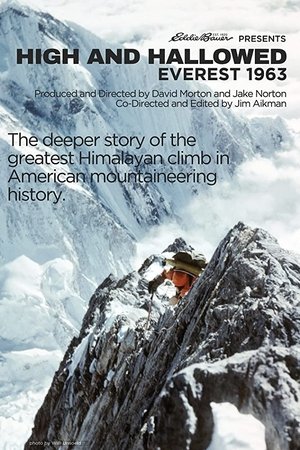


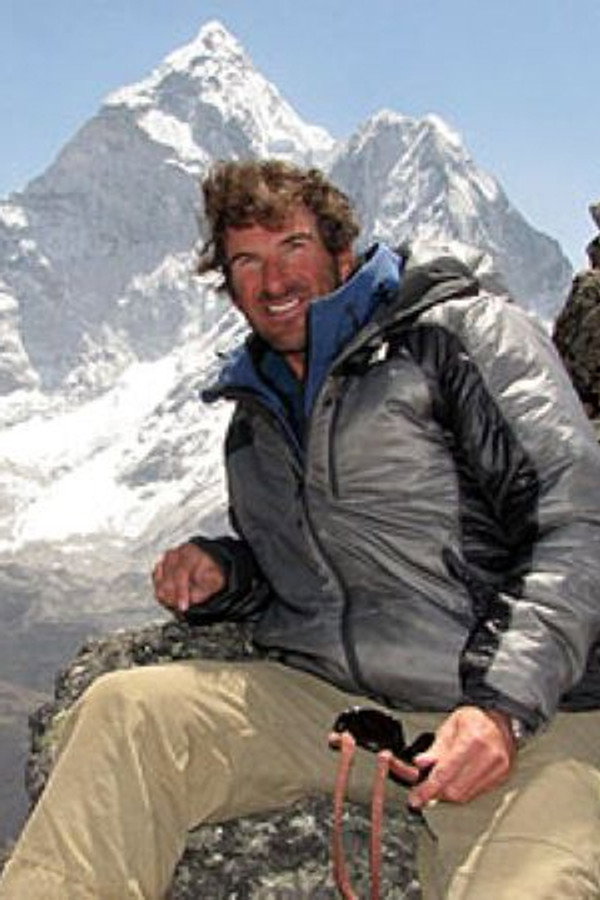
High and Hallowed: Everest 1963 is the deepest story of the greatest Himalayan climb in American mountaineering history. Showcasing the daring and visionary efforts of the 1963 American Mount Everest Expedition, the film examines the sheer commitment, step-by-step struggle and lasting impact of America's first ascent of Mount Everest and the pioneering first ascent of West Ridge by Tom Hornbein and Willi Unsoeld. Five decades later, High and Hallowed returns to Everest to find out if the essence of risk, adventure and the unknown that drew the first Americans to the summit still exists on Everest today.
Chickenhare and the Hamster of Darkness explores true identity through exploration.
Throughout Brendan Fraser’s career, he has played a plethora of unique, layered characters who explore the importance of not being afraid to display your emotions, something that is often seen to not be a masculine trait. This idea of regulating emotion and what traits men are able to possess creates a toxic atmosphere for men who are often told they should not cry or represent their emotions in any physical way. These characters represent that men can be joyful, emotionally conscious, and sensitive, while also representing their masculine identity instead of painting those qualities as fighting against their masculinity.
America is the crux of the storyline: she is the only person in existence with the power to jump between universes. As central as America is to the Multiverse of Madness story, she somehow didn’t get that much to do.
In the LGBTQ+ holiday rom-com wars, 'Single All The Way' may or may not be the “answer” to 'Happiest Season.'
Suppressed intergenerational family trauma and healing, warm welcome to the Marvel Cinematic Universe team, and Awkwafina's humor really make this film the real MVP.
Korean culture shines in this Canadian export.