


A Personal Experience of Representation - The Intersection of Armenian Culture & Epilepsy
I am an Armenian who has a mild form of epilepsy. I rarely see Armenian culture and epilepsy properly portrayed in film or TV. I delve into the how and why.

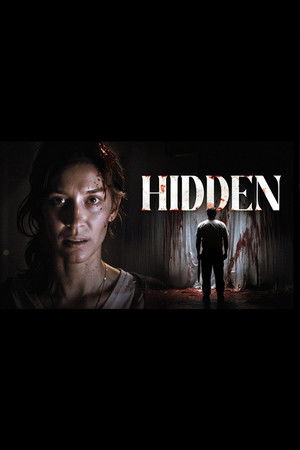
Haunted by their past, Giulia and Tommaso face a deadly truth as a killer frames him, leading to a shocking revelation.
I am an Armenian who has a mild form of epilepsy. I rarely see Armenian culture and epilepsy properly portrayed in film or TV. I delve into the how and why.
"WHAT ARE YOU WILLING TO SACRIFICE?!!!!" "EVERYTHING!!!!!" This is but one of a multitude of highly emphatic questions, and subsequent answers, being asked in the newest feature film from one of the current masters of horror, Jordan Peele ("Get Out", "Us" and "Nope"). I must give Peele credit in that he continues to push the boundaries of specific genres and their associated tropes in order to provide what ends up amounting to subtly then jarringly intense, yet still character and story-driven, cinema that speaks more to indie stylings than mainstream.
The three themes of lessons learned from HBO Max's Station Eleven are the same as the pandemic: love, regret, and art.
As many of us know, Marvel Studios has taken an interest in women-led superhero films, but some of us are oblivious to the women behind the camera and pen.
Films and TV series often tend to misrepresent or not acknowledge bisexual characters, but recent trends show that bi-erasure is now under deserved scrutiny. So, I’m genuinely happy about the direction bi-representation seems to be taking.
In 1977, Star Wars changed the world. It took the universe by storm, completely redefining everything everyone knew about movies. But then, in 1980, The Empire Strikes Back changed Star Wars. Sequels were not as well regarded back then as they are today.