




PAW Patrol: The Movie
This analysis covers Paw Patrol: the Movie, including character analysis, themes covered in the movie, and things that could've made this movie better.



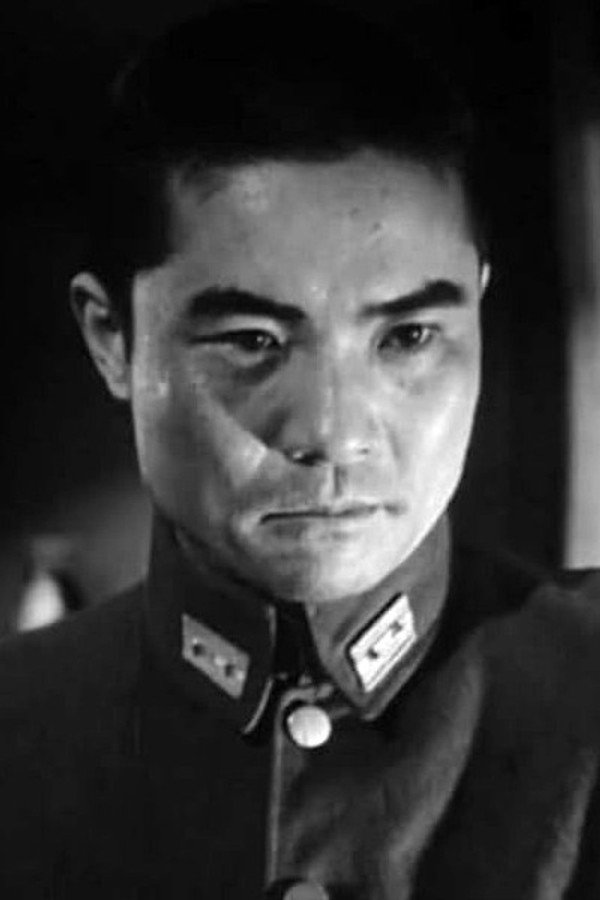
A port town in the Hokuriku region, around the time the Meiji era was drawing to a close. Here, there was a strange custom dating back many years: whoever won the “Competitive Drumming” held on the night of the Spring Festival would gain control of that year’s fishing grounds. Consequently, the fishing boat owners went to great lengths—even resorting to underhanded tactics—to recruit the finest drummers.
This analysis covers Paw Patrol: the Movie, including character analysis, themes covered in the movie, and things that could've made this movie better.
Ruben Östlund muses about his characters, “As soon as you get close to a person, you see them as just another human being”. It is widely recognized that aboard the luxury yacht in ‘Triangle of Sadness’, the different groups of people represent a small society as a commentary on classism and gender binaries.
In Spike Lee’s She’s Gotta Have It (1986), we follow the love life of powerful female protagonist Nola Darling (Tracy Camilla Johns) and explore the relationship dynamics she has with her partners. She sees three men simultaneously: Greer Childs, (John Canada Terrell) Mars Blackmon (Spike Lee), and Jamie Overstreet (Tommy Redmond Hicks). Though an 80’s film, She’s Gotta Have It is surprisingly progressive with its themes of female sexuality, although at some points in the film it is handled clumsily. Overall Nola is an incredibly compelling character especially for modern women, as we as a society acknowledge female sensuality more and more without the negative stigma.
The film is bogged down with one-off rain monster threats that always come to a quick and undramatic end
Animation as a medium of storytelling can be thought to be open to all ages and as I hope my reading will reveal, 'Nimona' could be interpreted as a transgender story.
Michael Shanks’ Together is a queasy, hilarious, and surprisingly heartfelt body-horror trip that fuses love and terror in the most literal sense. Starring real-life couple Dave Franco and Alison Brie, this midnight gem twists Plato’s soulmate myth into a gory, darkly funny tale of codependency, cults, and chainsaws — equal parts romance and nightmare.