A Survivor's Story: Breaking Down the Season 4 Finale of ‘Handmaid’s Tale’
The roaring emotional ride that was the season four finale sets June on a new path: more of a Survivor's Journey.



In the 17th century, in a little town called Toth, people are mysteriously disappearing and rumor has it that a werewolf is wandering the streets.
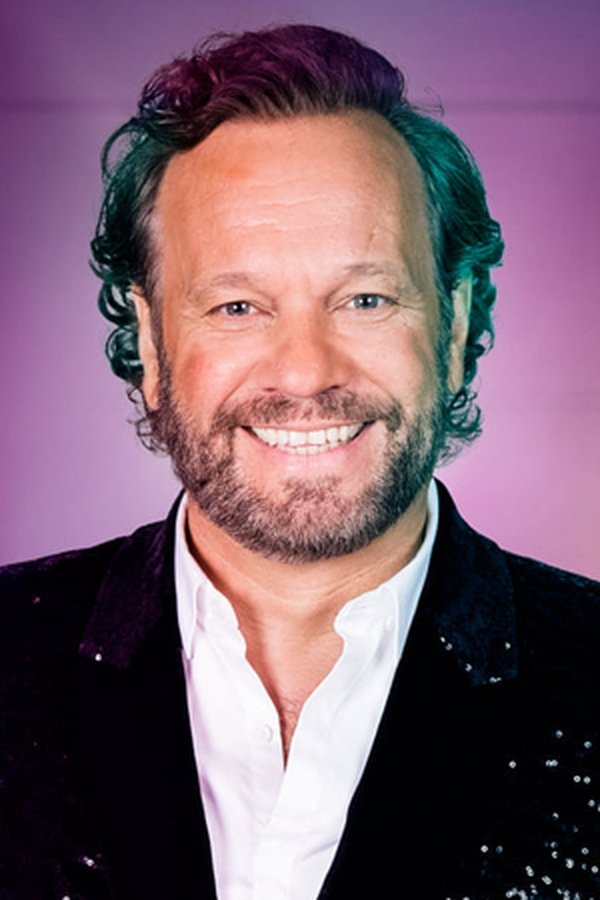
Carlo Boszhard, Armando de Boer
Director

Carlo Boszhard
Koning Magnus
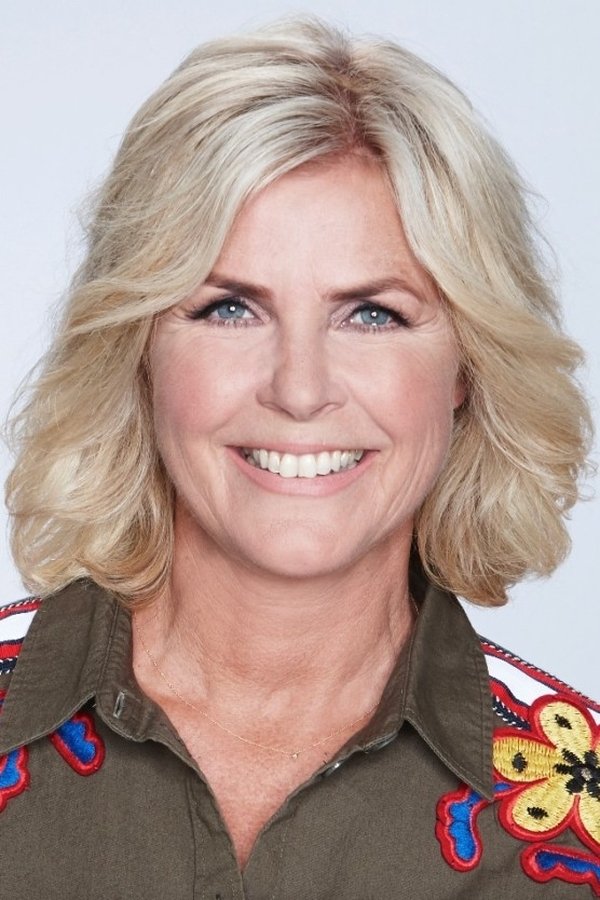
Irene Moors
Koningin Gwendel
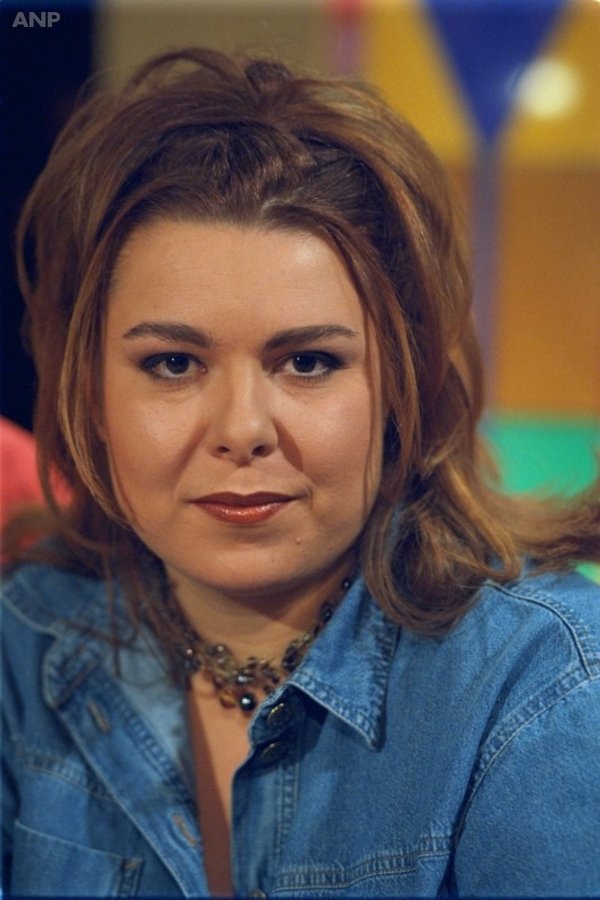
Daphny Muriloff
Grisela de Heks

Hero Muller
Verteller
Bert Johan van Goor
Merlijn de Tovenaar
Eric van Heesel
Monster
Ben Dunker
Nar
Bram Steenhuizen
Wachter
Joost van Gunter
Wachter
Wim Plomp
Wachter
Saskia Hoekstra
Meisje in bos
The roaring emotional ride that was the season four finale sets June on a new path: more of a Survivor's Journey.
A Japanese anime movie that brings survival, adventure, and friendship to the big screen.
The social issues The Half of it takes on are handled well, between the antagonization brought on to Ellie for her race and the conflict that arises from her being gay. Both aspects of her character are built up over the course of the film and don’t seem abrupt or rushed. The film shows racism towards Ellie and her and father in varying levels, from having her schoolmates specifically address her as "Chinese girl” to the fore mentioned way her Dad is treated due to language barriers. The same can be said about Ellie being a lesbian. While she never truly “comes out” in the narrative, that does not undermine her journey of self-discovery from being meaningful. These ideas aren’t thrust upon the viewer in a preachy manor, the scenarios that occur feel believable given the rural setting. The film presents watchers with problems whom those like Ellie may face, and leaves us to sit with them and reflect.
Gritty and bleak are the best words to describe this film. There’s nothing happy about it.
The clever but socially-awkward Tetê joins a new school, and she'll do anything to fit in.
'The Lost Daughter' doesn't paint over the choices Leda and Nina make as mothers as right or wrong but examines the messy in-between.