Henry House
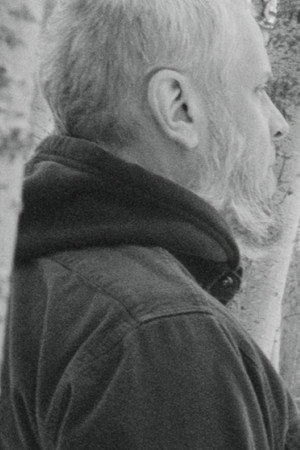
A micro-opera for the common human being. A shadow figure makes his way through a frigid landscape, reflecting on a life that made no mark. Henry House is an expression of a kind of American “everyone,” with all of their faults and false footing, their moments of success and regret. The work features a cento text based on heavily manipulated phrases from Reiner Stach’s Kafka biography and John Berryman’s Dream Songs. The texts were stitched together and compulsively rewritten by Nate Wooley in order to create a loose and billowing character, Henry House, whose life is eulogized by an unknown narrator. The work for this film stemmed from studies for a larger cycle of Henry House songs released on January 16th on Ideologic Organ, but Jen Mesch has found a new dimension to the House songs by putting the composer’s body in space and time. Whether he is the narrator or the eponymous House, we are never quite sure.

- / 5
PopScore
Representation
Pictures and Videos

Movie Information
A micro-opera for the common human being. A shadow figure makes his way through a frigid landscape, reflecting on a life that made no mark. Henry House is an expression of a kind of American “everyone,” with all of their faults and false footing, their moments of success and regret. The work features a cento text based on heavily manipulated phrases from Reiner Stach’s Kafka biography and John Berryman’s Dream Songs. The texts were stitched together and compulsively rewritten by Nate Wooley in order to create a loose and billowing character, Henry House, whose life is eulogized by an unknown narrator. The work for this film stemmed from studies for a larger cycle of Henry House songs released on January 16th on Ideologic Organ, but Jen Mesch has found a new dimension to the House songs by putting the composer’s body in space and time. Whether he is the narrator or the eponymous House, we are never quite sure.
Cast

Articles You May Like
The Owl House: A Children’s Show with a Bisexual, Hispanic Lead!
In ‘The Owl House’ protagonist Luz Noceda stumbles across a portal to another dimension where magic exists, called The Boiling Isles.
Visi-Bi-lity: It's Improving!
Films and TV series often tend to misrepresent or not acknowledge bisexual characters, but recent trends show that bi-erasure is now under deserved scrutiny. So, I’m genuinely happy about the direction bi-representation seems to be taking.
Ad Astra: Cinematic Hypnotism
“Ad Astra” is a film that possesses similar beats to sci-fi classics, falling into the realm of cinematic hypnotism, and pulling us in with its mysteriously intoxicating identity.
What is "Bugonia" Actually Trying to Say?
The film seems like an extreme interpretation of the conspiracy theorists that exist in real life. And then, there’s the twist.
Wolfwalkers Deserves More Acclaim Than Luca For Pride Awareness Through A Metaphor
It is the attention to detail that makes Wolfwalkers resonate more than Luca for Queer representation