






A Conversation With the Filmmakers of 'When Men Were Men'
Hours before their line-up of screenings for Trans Awareness Week began, the filmmakers of 'When Men Were Men' chatted with me about the film's personal exploration of masculinity.
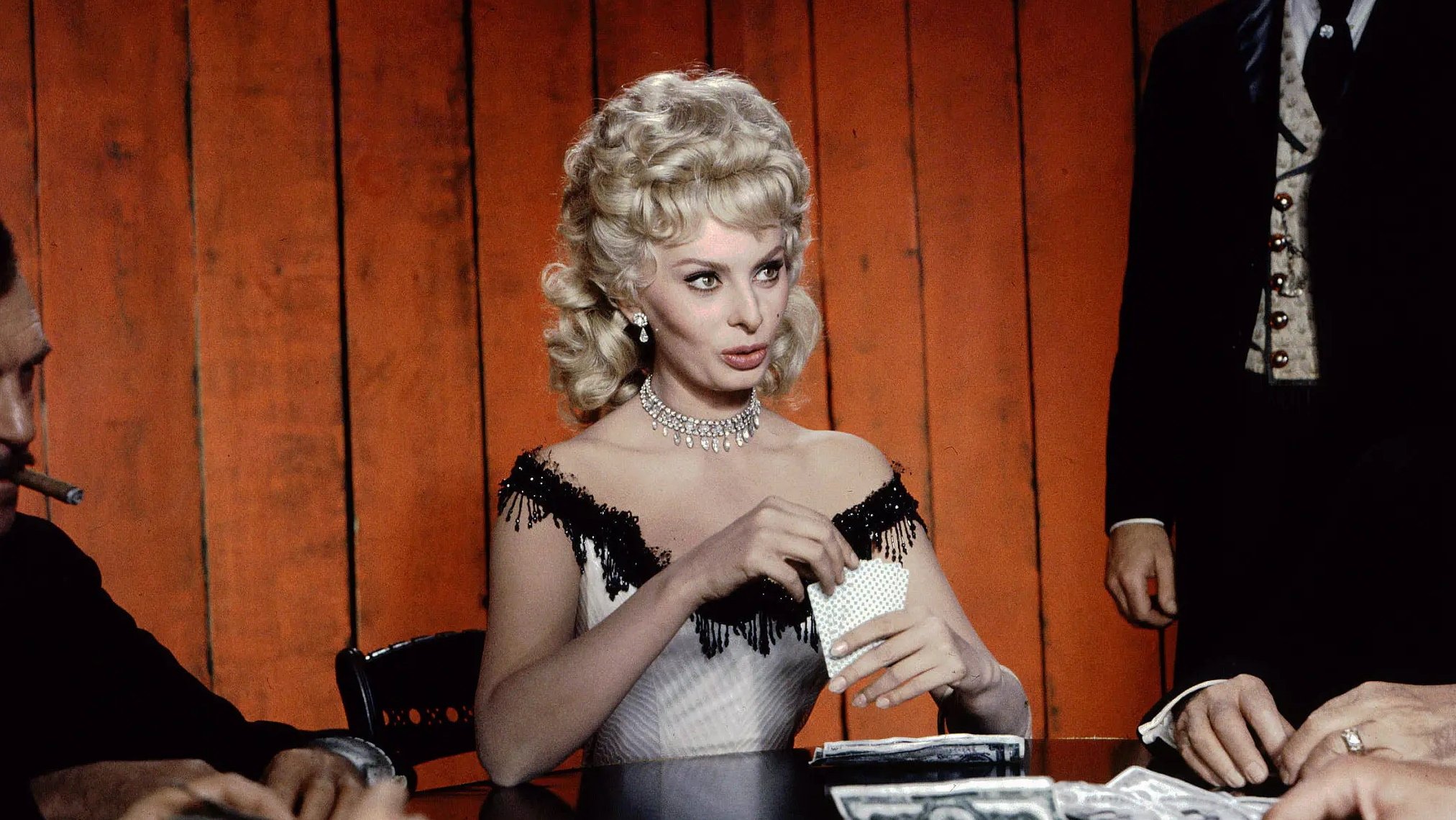
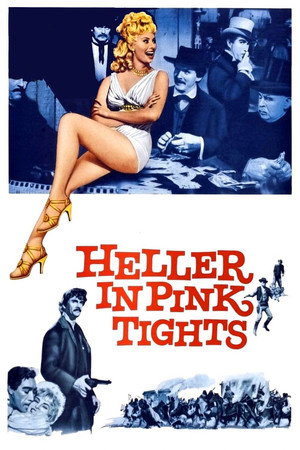


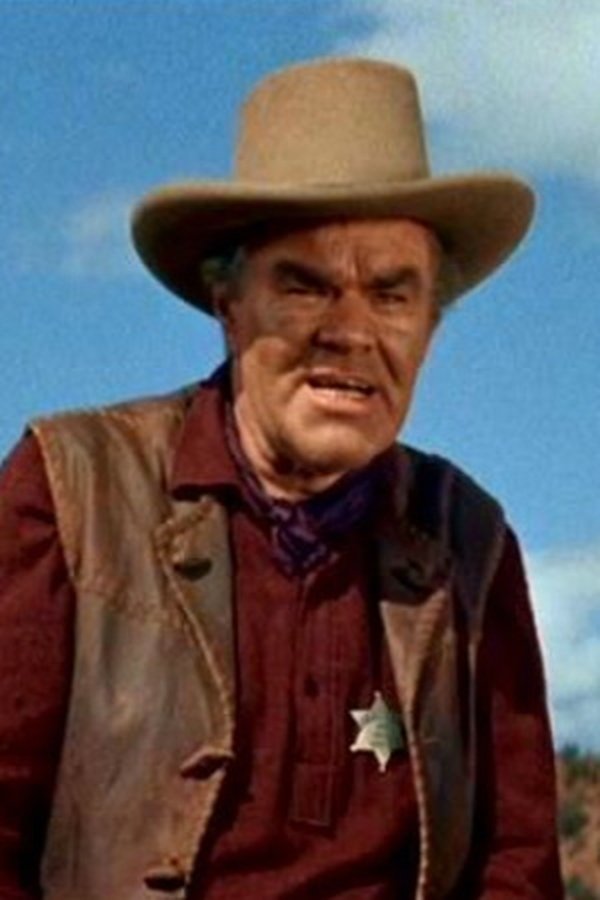
Nineteenth century Wyoming: the wild West. Mild-mannered Tom Healy has a two-wagon theater troupe hounded by creditors because Angela, his leading lady and the object of his affection, constantly buys clothes. In Cheyenne, they meet with applause, so they hope to stay awhile: the theater owner likes Angela, and she keeps him on a string. She's also the object of the attentions of Mabry, a gunslinger who's owed money by the richest man in Bonanza.
Hours before their line-up of screenings for Trans Awareness Week began, the filmmakers of 'When Men Were Men' chatted with me about the film's personal exploration of masculinity.
After We Collided is a sequel to last year’s After, which itself was based on Anna Todd’s 2014 novel of the same name, and which was originally published as a Harry Styles-centric fan-fiction on WattPad (a similar path as E.L. James’ Fifty Shades of Grey series).
Ranking The Purge films gives us one forgettable film, two mid-tier movies, and two horror masterpieces. This list can help you decide which films to watch first!
Red, White and Royal Blue still does not have an official release date. However, the cast has been sharing pictures of their filming.
Sorry to Bother You ultimately speaks to the unfair advantages that the country’s power structures award to those with the resources to control others, as Lift’s easy access to the media allows his opinion to be the only one that matters in the eyes of the unsuspecting and easily impressed public. Moreover, it reveals the extent to which the American Dream has any true validity. It postulates how the promise of success and fulfillment as promoted by the American Dream more often than not leads to the undoing of the individual. Interestingly, in its revealing of the American Dream as merely a facade, Sorry to Bother You wisely questions whether or not anything can really be done to undo a system that has been accepted and in action for centuries.
The more biting satire is reserved for those on top of the power structure, such as the police, while those occupying lower levels are given more nuance and likability, even if they operate on the wrong side of the law. This principle gives Deep Cover its heart.