






Why you Must Stream Netflix's new French Horror 'The Swarm'
A film about family and sacrifice... and carnivorous locusts coming after you.

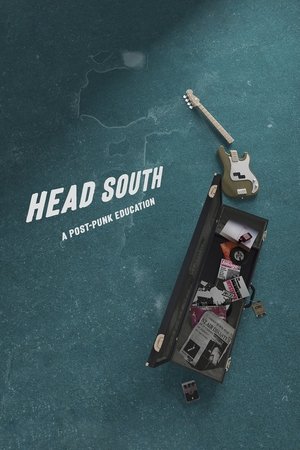


Christchurch, Aotearoa New Zealand, 1979. During a fortnight with his world-weary father, Angus is drawn to the underground post-punk music scene. With the support of his friend Kirsten, Angus navigates self doubt, derision and a family tragedy to take the stage for the first time.
A film about family and sacrifice... and carnivorous locusts coming after you.
Darren Aronofsky’s Caught Stealing is a gritty, darkly funny thrill ride through 1998 New York, with Austin Butler delivering a raw, magnetic turn as Hank Thompson—a washed-up ex-ballplayer turned bartender whose life implodes after cat-sitting for his punk neighbor drags him into a violent underworld of gangsters, crooked cops, and chaos. Brutal yet unexpectedly hilarious, the film blends noir grit with midnight-movie absurdity, proving Aronofsky can reinvent himself while Butler cements his status as a true movie star.
The classic ghosts-in-revenge story expanded into an extensive dig into the historical social system while being funny and horny.
Adam McKay might have been more concerned with cramming cameos than he was in this story which is a bloated criticism of the rich and famous… delivered unto us by the rich and famous.
"Peter Pan & Wendy" is a diverse fantasy brought to life and an adventure for all ages.