

'Never Have I Ever' Season 2 Gets Messier, and It's Great
In season 2 of “Never Have I Ever," Devi make many mistakes in a messier season that explores the complex lives of its diverse cast more in-depth than before.

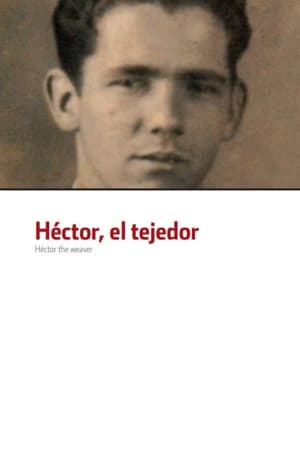


Héctor Rodríguez (1918-1996) was one of the outstanding figures in the people's movement in Uruguay. He was a textile worker and also a member of parliament for the Communist Party, and he was expelled from their ranks in the 1950s. He was a journalist, a militant activist and a political prisoner, and a key force in trade union unity and left wing politics in Uruguay. His life was bound up with some of the most important events in the history of this country after 1930. As well as Héctor's own testimony we have the voices of textile workers, intellectuals, union members and politicians, in a rich mixture of archive film and photographs.
In season 2 of “Never Have I Ever," Devi make many mistakes in a messier season that explores the complex lives of its diverse cast more in-depth than before.
Seeing that the film was essentially his first big, mainstream feature, and with garnering a leading role — portraying the revolutionary ball-player Jackie Robinson — Boseman, without question, delivered a performance that is still so incredibly moving, respectful, genuine, and true to the core of his obviously sincere, artistic heart; and with that, it is indeed so saddening to see him pass.
Netflix’s new mystery thriller, The Marked Woman (released originally as La Desconocida), is confusing. More critically, though, it commits the worst mistake a movie can make: it’s boring. From Spanish director Gabe Ibáñez, the film squanders its premise at every turn, fills the story with unlikeable characters, and lacks emotional payoff.
Mirrorball is full of passion and love for the medium of cinema and is indeed a fitting love letter to La La Land.
Based on a true story, this sports movie is centered around a college football player.
The external threat invaded the domestic environment at the most valuable moment: grieving.