

Time To Get Critical About Representation in “Shameless”
A decade since it aired, Shameless (U.S.) has always stuck to its guns (and baseball bats) about character diversity.

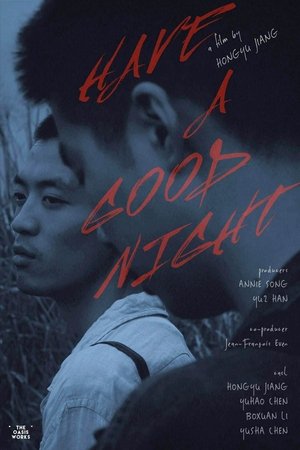


Xuan is a young man working in the film industry in Beijing. To make a documentary film that he wants to present at international festivals, he decides to take advantage of the holidays of the Day of the Dead to return to Chengdu, his hometown located at the other end of the country. The documentary he is about to make is about his relationship with his own lover. He leaves for Chengdu, accompanied by another man, Bo, the cameraman of the film. The two men take the train to Chengdu where Hong, Xuan's lover, is waiting for them. From the first moment of their arrival at the station, Xuan and Bo begin to turn with their camera, Xuan having already explained to Bo what he wanted to film and that Hong would always be "playing", Bo then trusting in Xuan. But Hong is more and more opposed to this camera and the presence of Bo.
A decade since it aired, Shameless (U.S.) has always stuck to its guns (and baseball bats) about character diversity.
This surprisingly clever romantic comedy perfectly balances genuine heart with wild reality television chaos. It is an uplifting and funny reminder that second chances and real community can show up exactly when you stop looking for them.
Some people’s first introduction to Mira Nair might be as New York mayor Zohran Mamdani’s mom. But with her insightful direction of 1991’s Mississippi Masala, Nair shows how much she deserves to be known as an artist. Delivering a nuanced portrait of a romance between a Black man and an Indian woman living in the South, Nair explores the complications each character faces, giving both equal weight.
This article will cover why this film is categorized as a documentary and concert film.
Standing up for what's right, she's met with miraculous results. She takes charge of her own destiny.
Although Christmas is a time of year for love and cheer for all, holiday cinema has not always represented diverse communities. Being a holiday with Christian origins, much of its media consists of straight white families or straight white romances. Luckily, modern years have been bringing with them plenty of POC and LGBTQ+ representation that the holidays so desperately need.