






'Black Panther: Wakanda Forever' Is A Transitional Film Honoring The Mantle and Impact
The nations of Wakanda and Talokan enter war over their opposing viewpoints on dealing with the destructive hearts of humankind on the surface world.

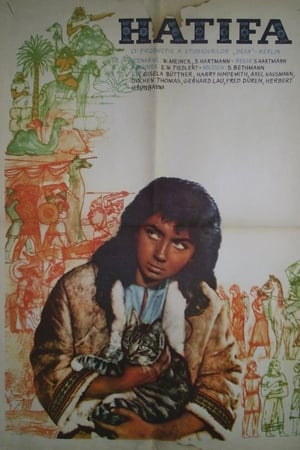


Hatifa is tired of her difficult fate and escapes from the place of her enslavement, a quarry in the desert. There she wanders around in freedom, but ultimately helpless, without water or food. Shortly before dying of thirst, she is saved by the sage Simsal, who is traveling with a caravan of the merchant Ganem. Hatifa quickly makes many friends, including the young servant Hodja. Only to him she confides her secret. The girl had to keep the fact that she was a slave to herself. After all, anyone who helps escaped slaves is mercilessly threatened with the death penalty. Out of consideration for the caravan, they both flee, but are soon picked up by Ganem. When he realizes that he can make a lot of money with Hatifa, he sells her again to a quarry.
The nations of Wakanda and Talokan enter war over their opposing viewpoints on dealing with the destructive hearts of humankind on the surface world.
Set in a future dystopian United States in which water is running out, Julia Hart’s Fast Color (2018) is a refreshingly different take on the superhero film.
Director Martin Scorsese broadens his boundaries from mafia-driven movies, to a Buddhist biopic of the 14th Dalai Lama. While Buddhism strives for peace, ‘Kundun’ reveals the violence inflicted on Tibetan Buddhists and Scorsese’s depiction of violence does not stray away.
The live-action remake brings adventure and shows viewers why representation is important in a Disney Princess movie.
Disney has long since had a reputation for creating underwhelming sequels. Is Zootopia 2 any different?