


Pro-Capitalism and other Antiquated Ideas on Court TV
Court TV shows offer uncritical eyes on the systemic inequalities of the legal world.
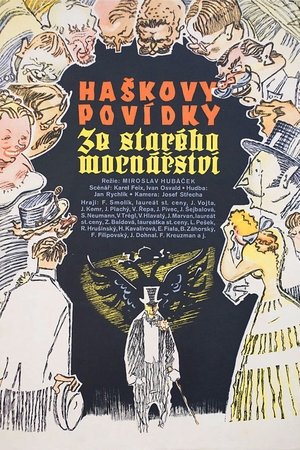


Four short stories by the greatest Czech satirist Jaroslav Hašek. "Soup for Poor Children" tells the story of how Prince Robert himself cooked soup for poor children, "Meeting of the Municipal Council in Mejdlovary" is the history of filling the position of municipal policeman, "Trampotes of Mr. Tenkrát" shows how strange events lead to marriage and promotion, "Revolt of the Convict Šejba" depicts the victorious fight of the convict Šejba for a dumpling for ministering at mass.
Court TV shows offer uncritical eyes on the systemic inequalities of the legal world.
"Warrior" is a Bruce Lee written and inspired story that follows a diverse cast of Chinese American characters and does a terrific job of setting the story in 1878 San Francisco - all without pulling their punches with the systemic racism, discrimination, and struggle for power that old and young immigrants that crossed the country at that time had to go through.
You've heard the phrase “If looks could kill,” but have you heard “If dancing could kill?” Pretty Lethal takes that idea and runs with it.
Carolina Caroline follows Caroline (Samara Weaving), a bored young woman dreaming of escaping a small Texas town where nothing ever happens. When she meets Oliver (Kyle Gallner) at her workplace while he is conning the owner, she sees her perfect opportunity to get out. Their whirlwind romance strongly echoes Bonnie and Clyde, as the two quickly embark on a bank-robbing spree.
Two Distant Strangers (2020) centers around Carter James (Joey Bada$$) as he tries to get back home to his pitbull, Jeter, after spending a night at the apartment of his date Perri (Zaria Simone). What gets in the way of Carter reuniting with his dog is that every time he tries to leave Perri’s apartment, he is killed by police and wakes up back in her bed in a never-ending cycle. It addresses the issue of police brutality which rightly has been in the public eye more and more with the unjust deaths caused at the hands of law enforcement.
The social issues The Half of it takes on are handled well, between the antagonization brought on to Ellie for her race and the conflict that arises from her being gay. Both aspects of her character are built up over the course of the film and don’t seem abrupt or rushed. The film shows racism towards Ellie and her and father in varying levels, from having her schoolmates specifically address her as "Chinese girl” to the fore mentioned way her Dad is treated due to language barriers. The same can be said about Ellie being a lesbian. While she never truly “comes out” in the narrative, that does not undermine her journey of self-discovery from being meaningful. These ideas aren’t thrust upon the viewer in a preachy manor, the scenarios that occur feel believable given the rural setting. The film presents watchers with problems whom those like Ellie may face, and leaves us to sit with them and reflect.