



“Forbidden Fruits” (2026)
Not every film can make a shopping mall feel both magical and menacing, but Forbidden Fruits challenges that.
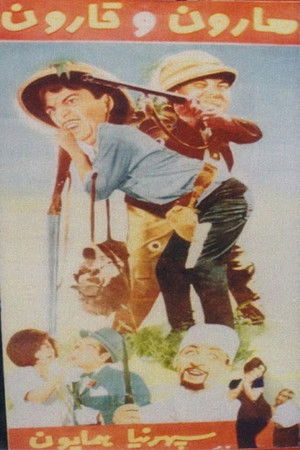


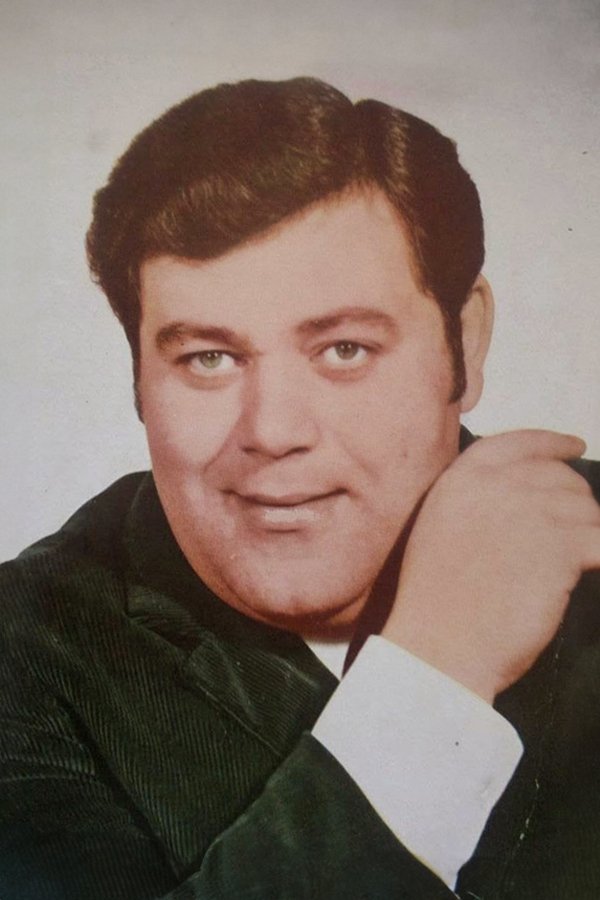
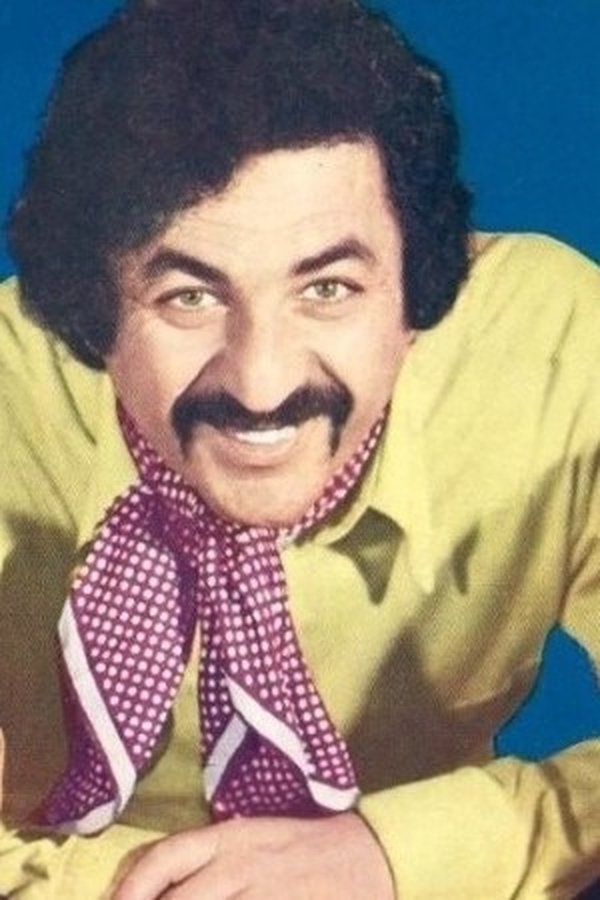
Harun and Qarun, despite their names' prestige, are examples of misery, humiliation, wandering, and wretchedness. By finding a magic lamp and enslaving a genie bound to it, they soon acquire wealth and status. But they achieve true glory when they use their power to save and bring happiness to a girl trapped by a demonic figure.
Not every film can make a shopping mall feel both magical and menacing, but Forbidden Fruits challenges that.
Despite its aggressiveness, the Beef anthology series is about romantic love in all its forms. The final scene of the first season led us to believe that, despite the conflict, drama, and toxic traits, the main characters would end up together and, most likely, live happily ever after. The whole “beef” plot was the prelude to their love story.
Like all modern societal phenomenons, it started with a meme. This one highlighted that when there’s a mom in a Pixar film, she is almost without fail given striking curves that highlight the bottom half of her body following a minuscule waist. From Elastigirl to the skeletal Mama Imelda, the animation giant’s artists seem to have a fixation on making exaggeratedly curvy maternal characters.
Clearly, in the end, Allison raised a responsible child because she knew that her "friend" was doing something that made her uncomfortable and turned away from her. No worries, Super mom was already one step ahead of her.
"WHAT ARE YOU WILLING TO SACRIFICE?!!!!" "EVERYTHING!!!!!" This is but one of a multitude of highly emphatic questions, and subsequent answers, being asked in the newest feature film from one of the current masters of horror, Jordan Peele ("Get Out", "Us" and "Nope"). I must give Peele credit in that he continues to push the boundaries of specific genres and their associated tropes in order to provide what ends up amounting to subtly then jarringly intense, yet still character and story-driven, cinema that speaks more to indie stylings than mainstream.
'Ganja & Hess' is a 1973 experimental horror film, written and directed by the visionary auteur Bill Gunn. It was meant to be a straightforward blaxploitation film – but director Gunn had grander ambitions.