










Thunder Force Fails to Bring the Thunder
Thunder Force brings much-needed diversity to the superhero genre. Unfortunately, it's also an uninteresting and unfunny mess.
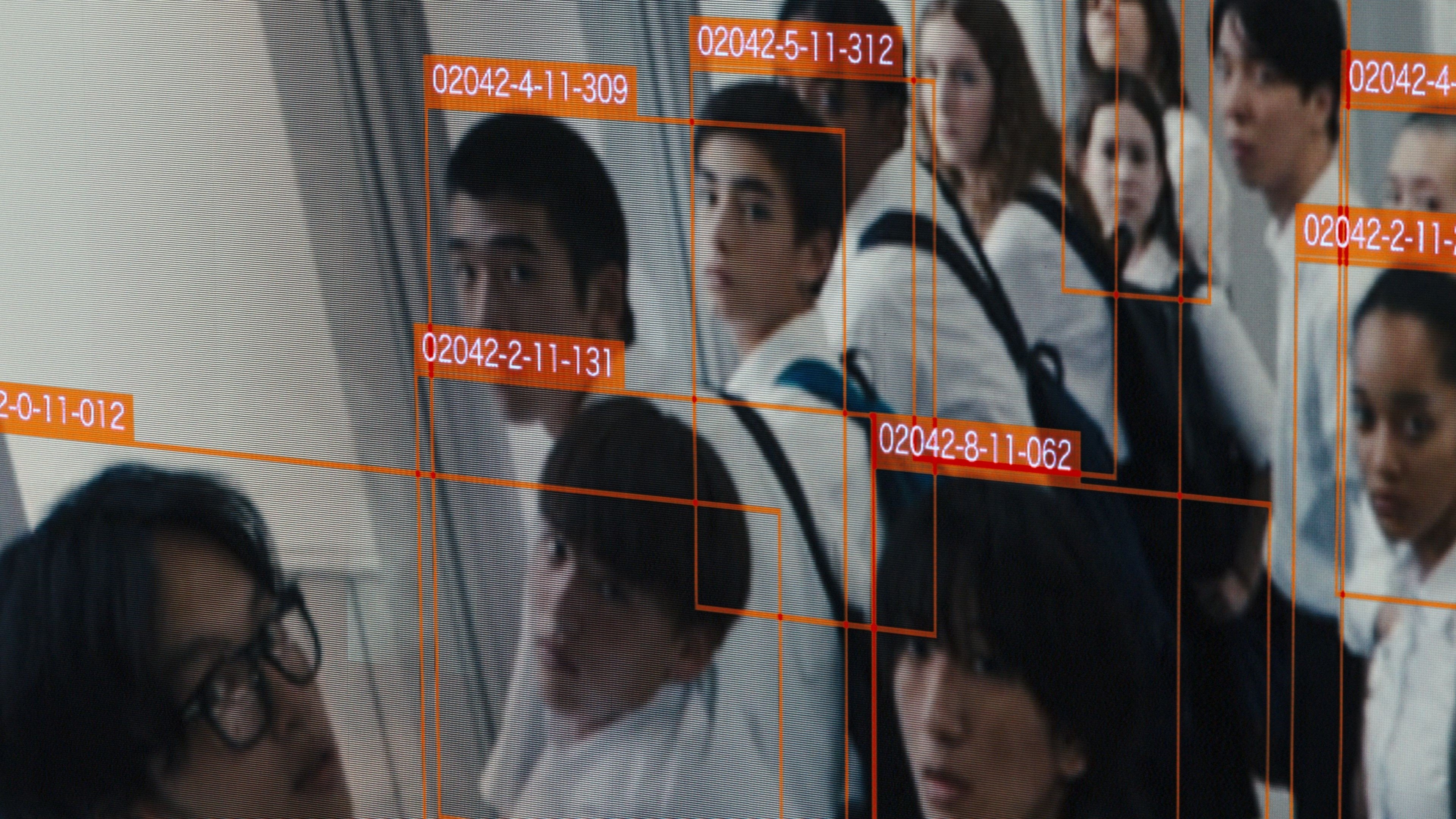



With the media having the coverage of domestic and global news in a swipe of our fingers, we see everything everywhere all at once. The endless catastrophic events and discourses push an atmosphere of anger, depression, escapism, cynicism, and nihilism. Happyend presents a solid gravity pulling the audience back to the ground of daily life. Rather than an explicit answer, it encourages us to cherish the intimate connections with others and go through this together.
The stories happened in a Japanese city in the near future. The protagonists are a friend group of rebellious teenagers who love music, played by non-actors. The students in the school are of various ethnicities. Meanwhile, the xenophobia and the right-wing nationalism have been on the rise.
The identities of the friend group members are revealed slowly in the film. Ming is half Japanese and half Taiwanese and wasn't fluent in Mandarin. Ming was embarrassed about being unable to communicate with her dad because of the language barrier. Tomu is mixed Asian and Black and is planning to go to America for college. As a very sympathetic, calm, and warm person, his upcoming leave set a melancholic hue for them. Even with just one line, the mention of the irritating procedure with large amounts of paperwork Tomu had to go through for moving abroad is a relevant touch. The main conflict revolves around the rising tension between Kon and Yuta, who grew up together and were close friends. Influenced by politically active classmate Fumi, Kon became more aware of social circumstances as a non-citizen, witnessing the protests and a ‘foreigner’ mark at his mom’s Korean restaurant. On the other side, Yuta comes from an affluent family and still lived as carefree as he always has been. He believed in living as happily as he could in this short life, and there is nothing we can do to change the situation. The urgency to face this political division seems to be prominent for the teenagers coming of age nowadays.

In a near-future Japanese city bracing for a devastating earthquake, a group of teenage friends navigate personal struggles and fractured bonds amid rising tension.
Thunder Force brings much-needed diversity to the superhero genre. Unfortunately, it's also an uninteresting and unfunny mess.
The thing is, people like Wahlberg will only apologize if they have something to lose, which he did. His glamorous life, his reputation, and his career were all at stake.
The new biopic 'Elvis' highlights the beginning and end of the career of this rock and roll legend. The audience is taken on this journey knowing the tragic ending but not so much about what led him there. A large topic of discussion is the influences on Elvis that made him who he was as a singer, musician, and performer, which were blues, gospel, and country. Many of the songs that rose him to fame were songs by Black artists he heard growing up in primarily Black settings.
This romance movie has strong representation of Taiwanese people.
Can a homeless yet optimistic teenage girl learn to accept a helping hand?