




"Tow" Tells the True Story of a Woman Who Sued the System
Not only does the system prevent upward mobility, but it makes it incredibly easy to slide from comfortably middle class to unhoused.
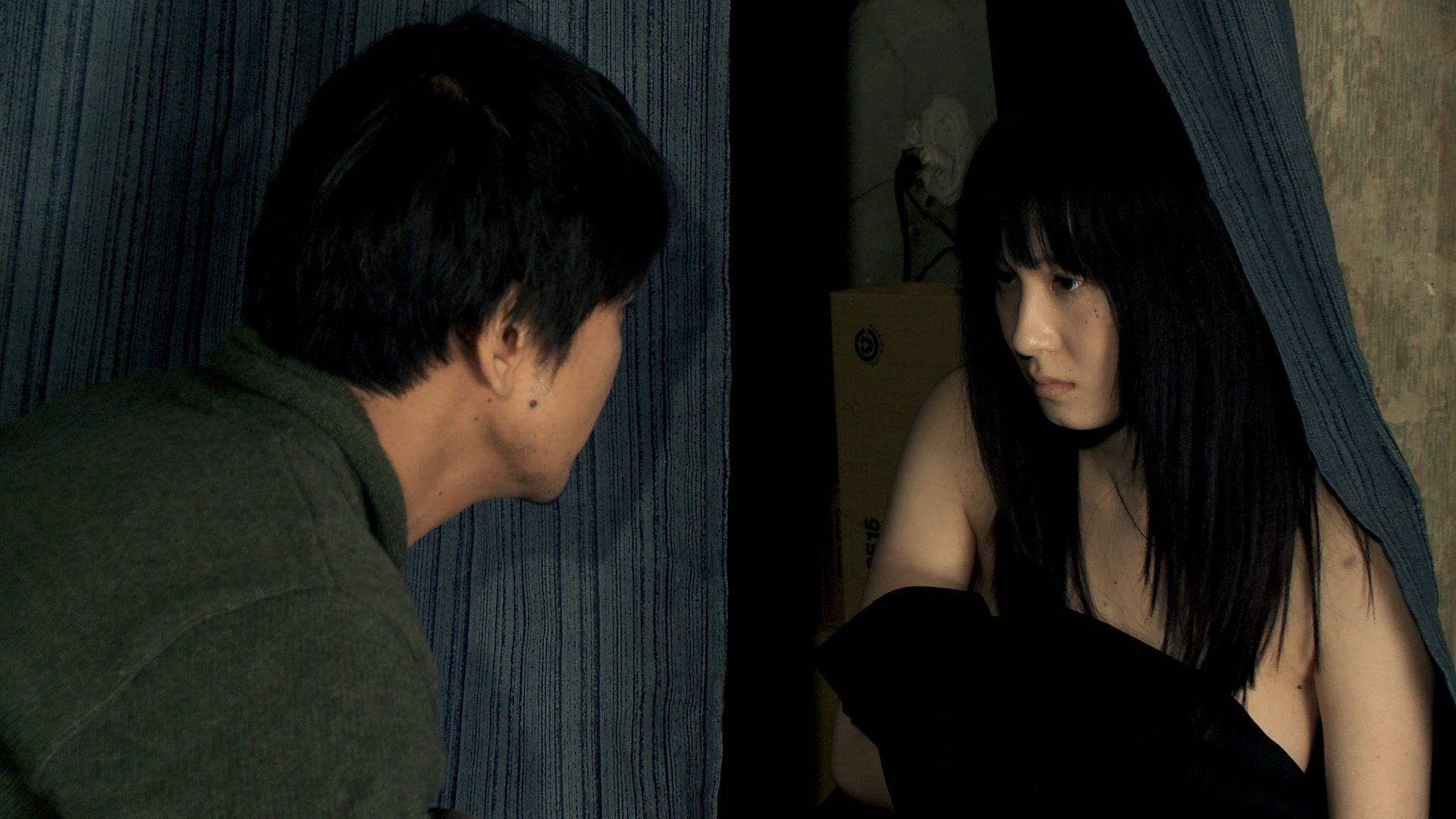



“Hana-Dama”—a flower in the wasteland. This flower is a symbol of earthly desires and every human is overwhelmed by desire and their rationality collapses wherever the flower is in bloom. And even today, the “Hana-Dama” continues to blossom profusely somewhere in the world. The story is set in a film theater, the facility keeps on closing one after another during recent years. The last day has come to a film theater which has been maintained by a film-loving owner, the staff, and their unique audiences. The symbol of human desire, “Hana-Dama,” blossoms at the theater and instigates people’s erratic behavior. Upon facing its closure, tremendous chaos that will be noted in the history of Japanese film takes place within this film theater.
Not only does the system prevent upward mobility, but it makes it incredibly easy to slide from comfortably middle class to unhoused.
As Andrew’s life begins to change, his passion for drumming soon becomes a spiraling obsession in the pursuit of perfection. Through the use of disturbing and abusive training methods, Fletcher puts Andrew through emotional and physical agony.
Avatar: The Last Airbender's success fifteen years after its premiere proves the enduring power of its storytelling. But it's more than just a quality show.
Haven't you heard? There's a new horror subgenre: cerebral gore, that's probably been around for decades and we're now just starting to talk about it.
Vicenza, a Brazilian girl, goes on a quest by herself to find out who her birth father is by gathering clues.
Marvel’s animated show What If...? ended last week, so let’s go back and look at all of the different universes shown and rank each episode from worst to best!