
Half
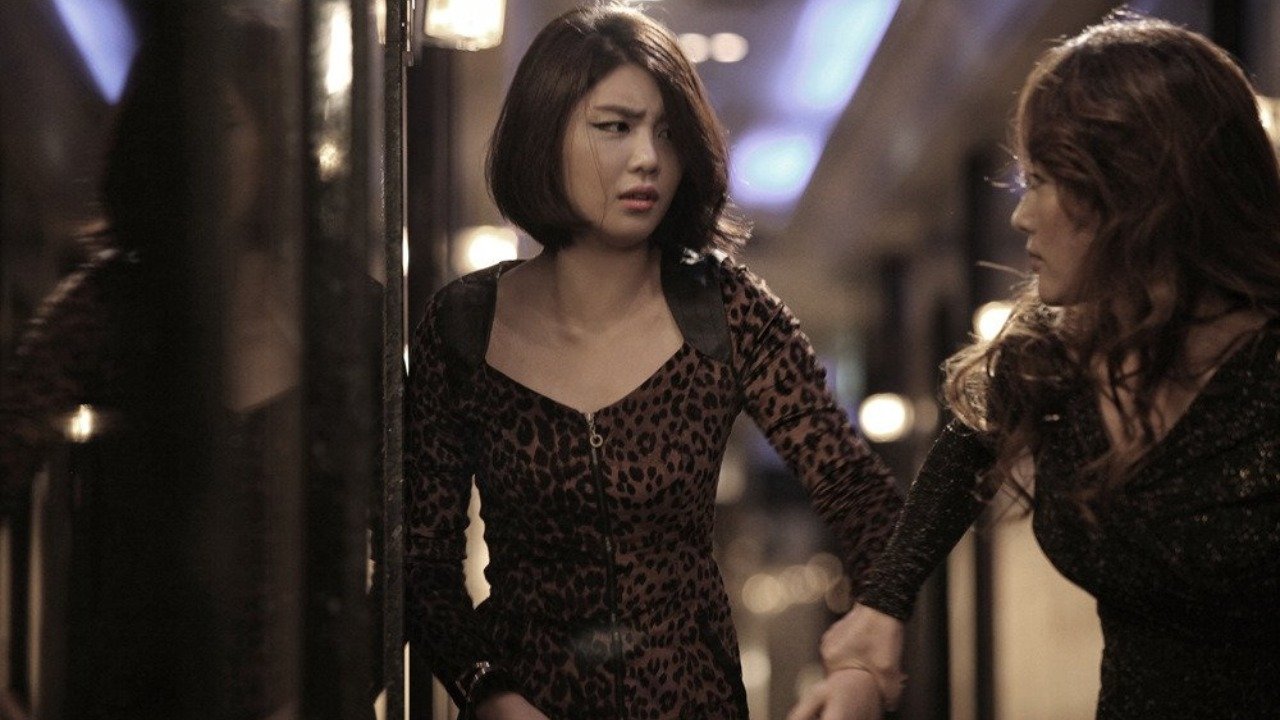
Working at a transgender bar, Min-a is a female with male genitals. When her colleague is assaulted by a male customer, she steps in to help, only to accidentally kill the assaulter. At the court, Min-a insists that she had no choice ? she had to protect her colleague - but the situation is not favorable to her. Taking advantage of her sexual identity, the prosecutor drives the case as if the murder were a result out of jealousy, and Min-a’s own lawyer does not pay attention to her situation. Not until Min-a is placed in a men’s jail and is seized with terror do the human rights issues for transgender people emerge. Min-a is finally transferred to a prison for females, but still she suffers from misunderstanding. Presenting the transgender human rights issues as a court drama, this film tries to correct the myriad misunderstandings toward transgender people.

- / 5
PopScore
Representation
Pictures and Videos

Movie Information
Working at a transgender bar, Min-a is a female with male genitals. When her colleague is assaulted by a male customer, she steps in to help, only to accidentally kill the assaulter. At the court, Min-a insists that she had no choice ? she had to protect her colleague - but the situation is not favorable to her. Taking advantage of her sexual identity, the prosecutor drives the case as if the murder were a result out of jealousy, and Min-a’s own lawyer does not pay attention to her situation. Not until Min-a is placed in a men’s jail and is seized with terror do the human rights issues for transgender people emerge. Min-a is finally transferred to a prison for females, but still she suffers from misunderstanding. Presenting the transgender human rights issues as a court drama, this film tries to correct the myriad misunderstandings toward transgender people.
Rating:
Genre:Drama
Written By:Kim Se-yeon
In Theaters:
Box Office:
Runtime:96 minutes
Studio:Mindullae Pictures, Indieplug









Articles You May Like
Thelma & Louise is a Queer Love Story...You Just Have to Look For It
'Slumber Party Massacre': Gory, Fun, and Feminist Slasher Remake
Slumber Party Massacre is a gory film with just enough commentary on sexist excuses, the validity of women's voices, and the inherent feminism of the slasher.
A Haunting Portrayal of Motherhood in "The Lost Daughter"
'The Lost Daughter' doesn't paint over the choices Leda and Nina make as mothers as right or wrong but examines the messy in-between.
"Warrior": Chinese American Liberation, Corruption, and the Cost of Power
"Warrior" is a Bruce Lee written and inspired story that follows a diverse cast of Chinese American characters and does a terrific job of setting the story in 1878 San Francisco - all without pulling their punches with the systemic racism, discrimination, and struggle for power that old and young immigrants that crossed the country at that time had to go through.
Storm & Starfire Colorism
How closely does an actor need to resemble a character or historical figure in order to portray them on the Silver Screen? Seems to depend on color.