



“Bury Your Gays” Trope in TV and How “Wynonna Earp” Defies it
I think that the happiness and survival of "Wynonna Earp"’s LGBTQ+ characters is incredibly refreshing in contrast to the prevalence of queer suffering and death in other television.
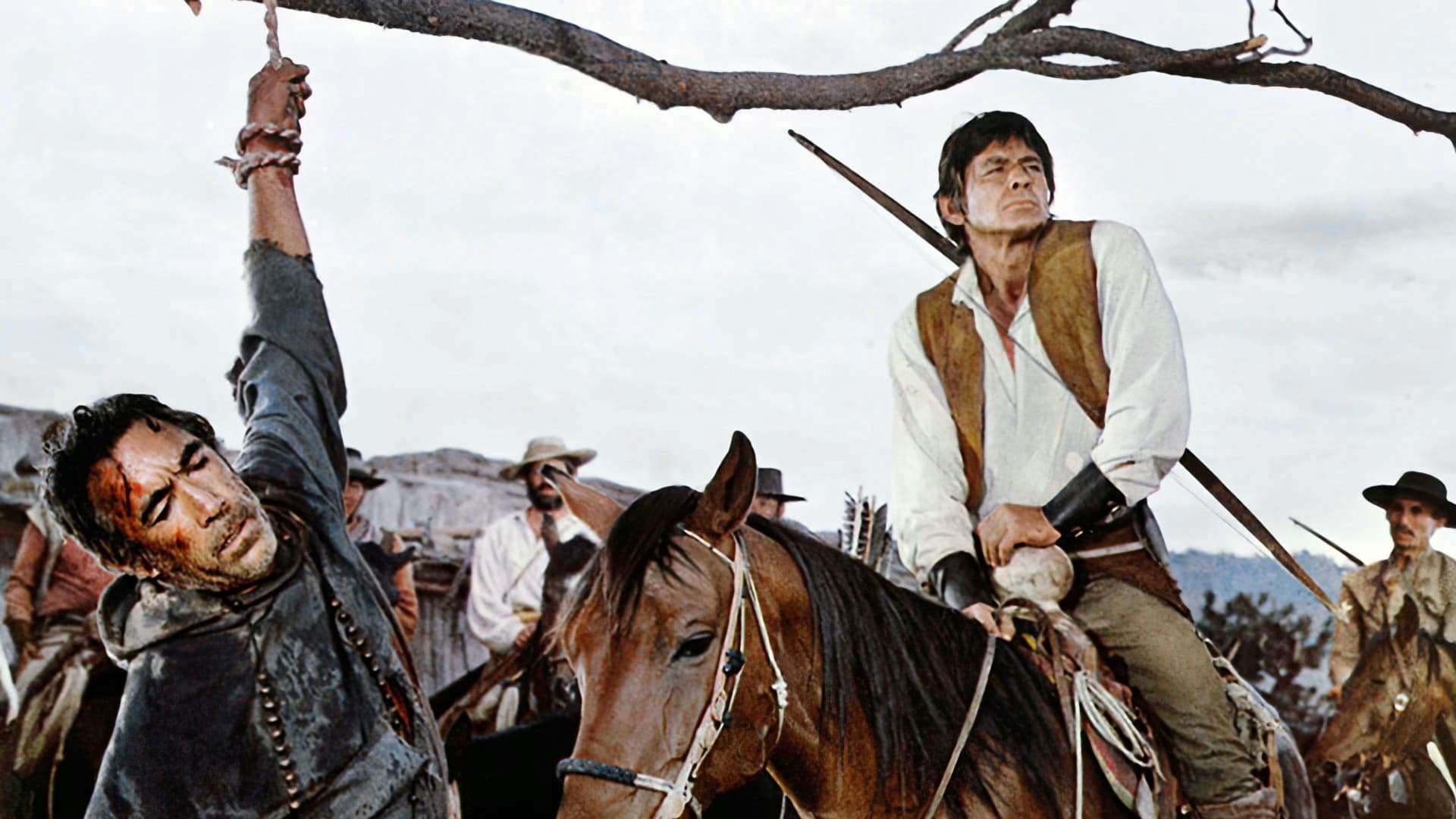
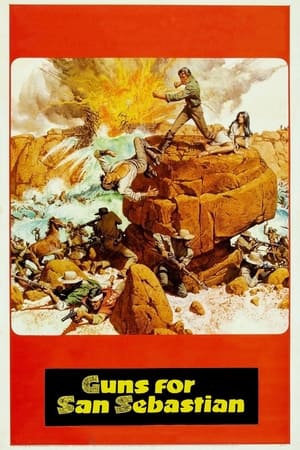


Leon Alastray is an outlaw who has been given sanctuary by Father John, whom he then escorts to the village of San Sebastian. The village is deserted, with its cowardly residents hiding in the hills from Indians, who regularly attack the village and steal all their supplies. When Father John is murdered, the villagers mistakenly think the outlaw is the priest. Alastray at first tells them he is not a priest, but they don't believe it, and an apparent miracle seems to prove they are correct. Eventually, he assists them in regaining their confidence and defending themselves.
I think that the happiness and survival of "Wynonna Earp"’s LGBTQ+ characters is incredibly refreshing in contrast to the prevalence of queer suffering and death in other television.
On the Road captures the bleak, hyper-masculine world of long-haul trucking in Northern Mexico, where anything can and will happen. A hard-boiled, neon-noir romantic thriller, it shows the gritty reality of roadside diners, truck stops, and truck cemeteries alongside the expansive, breathless beauty of the Mexican desert highways.
Alfred Hitchcock’s 1960 film "Pyscho" is an American film classic that still resonates today.
What makes The Matrix saga fascinating is the symbolism of caves and trans allegories
Director Martin Scorsese broadens his boundaries from mafia-driven movies, to a Buddhist biopic of the 14th Dalai Lama. While Buddhism strives for peace, ‘Kundun’ reveals the violence inflicted on Tibetan Buddhists and Scorsese’s depiction of violence does not stray away.