



The Women and the Murderer: Made by Women for Women
In The Women and the Murderer, directors Mona Achache and Patricia Tourancheau center women—the very demographic true crime is designed to appeal to.

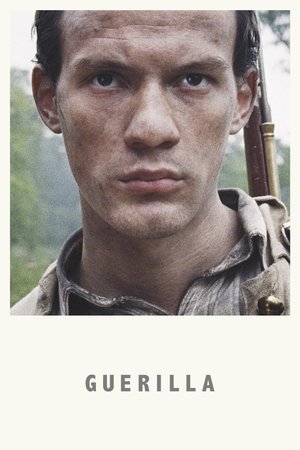


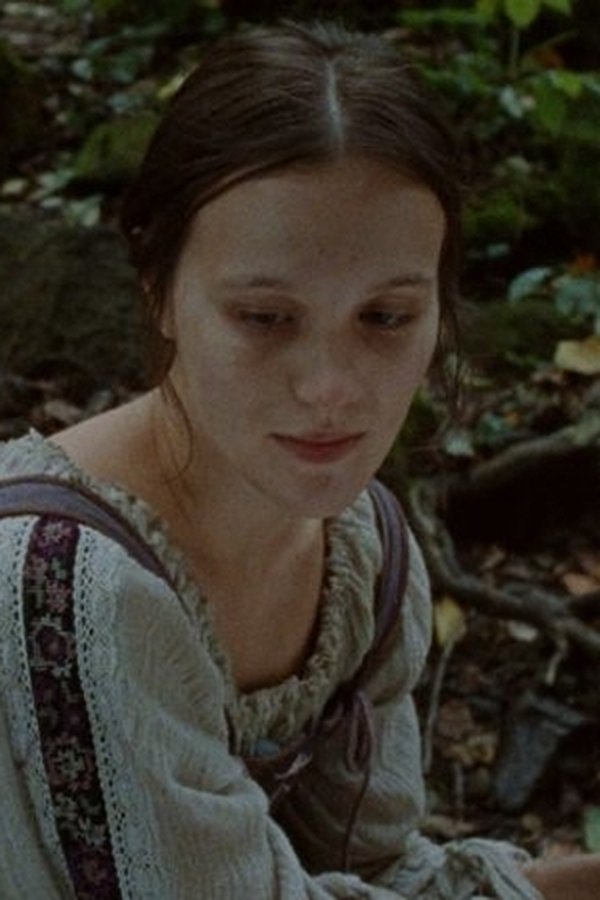
In 1849, the liberation war against the Habsburg Empire is close to its end in Hungary. Having hidden from military draft, Barnabás leaves his hometown and walks across the country to find and save his wounded brother who has been hiding with a guerilla group deep in the forest. Despite their exhaustion, lack of food or information, they are still fighting for their cause. Barnabás finds his brother alienated and distrustful. The tension between the boys further increases when they turn out to be attracted to the same nurse in the camp. Hoping he can earn his brother's trust and take him home, Barnabás decides to stay and lie about his past. In the meantime, he has to face the cruelty of war.
In The Women and the Murderer, directors Mona Achache and Patricia Tourancheau center women—the very demographic true crime is designed to appeal to.
There’s enough evidence to insinuate that What We Do in the Shadows is intentionally queer-coded.
A teen comedy that nobody wants to see.
Stand and Deliver is an inspirational classic from 1988 starring Edward James Olmos as Jaime Escalante, and his class of rag tag students in East Los Angeles. It’s the story of how a new teacher shows a motley group of students in the inner city with backgrounds as gang members, dishwashers, and mechanics — the power of self-determination. He teaches the teenagers to believe in themselves through algebra and calculus.
Two movies that do a fantastic job in conveying the ongoing struggle for racial justice are Selma (2014) and Just Mercy (2019).
The film is trying to revive DC's former glory, it really is, it just doesn't have everything it needs to get there. Luckily, Black Adam isn't as bad as many internet haters want you to think it is.