




Writer and Producer Ericka Nicole Malone Talks Being A ‘Quiet Inspiration’
Writer and producer of 'Remember Me: The Mahalia Jackson Story', Ericka Nicole Malone discusses her humble beginnings in the industry.
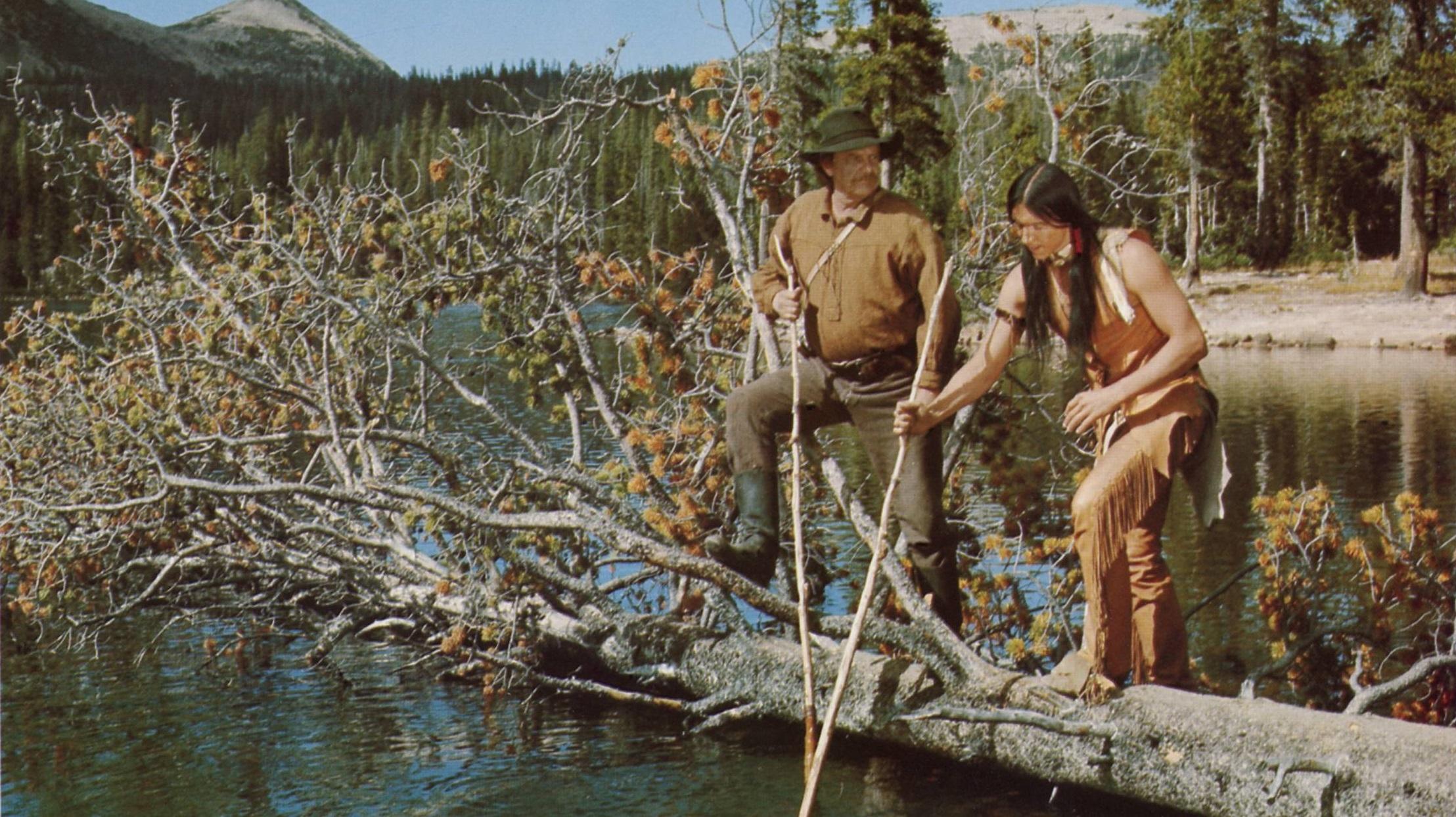
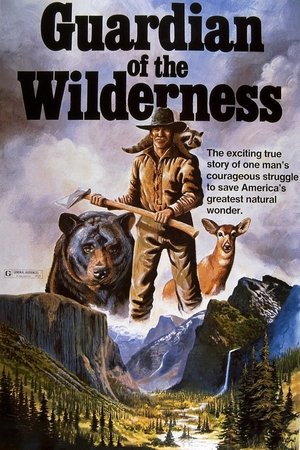


In 1861, miner Galen Clark learns he has consumption and decides to travel west in his final months. During the journey, he meets naturalist John Muir, who encourages him to live. Along with Native American Teneiya, Galen builds a cabin and settles with his daughter Kathleen. When loggers threaten to destroy their community and the forest, Galen joins forces with Muir and Teneiya to advocate for the area's preservation as Yosemite Park.
Writer and producer of 'Remember Me: The Mahalia Jackson Story', Ericka Nicole Malone discusses her humble beginnings in the industry.
Mahavatar Narsimha (2025) brings the epic tale of Hiranyakashipu to life with stunning animation, intense action, and a bold retelling of this timeless mythological drama.
Everyone needs a BFF and a "wing person" like Yumi (Chloris Li). Li brings the "straight person" persona, literally and figuratively balancing James Aaron Oh's perfectly timed comedic delivery as the unlucky-in-love.
For football fans, this sports movie will show viewers the bonding between father and son as the son prepares for his big game.
Renee Zellweger shines in this Judy Garland biopic, which highlights the pain and loneliness that so many famous women endure.
Celebrate Pride with these movies and TV shows available on popular streaming services. (Good news: a lot of them are available for free.)