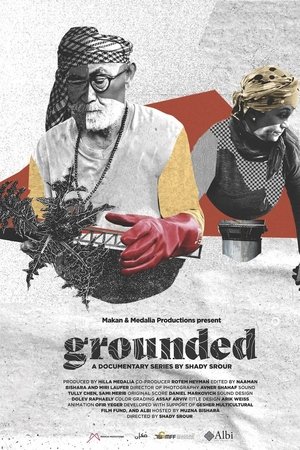
Grounded
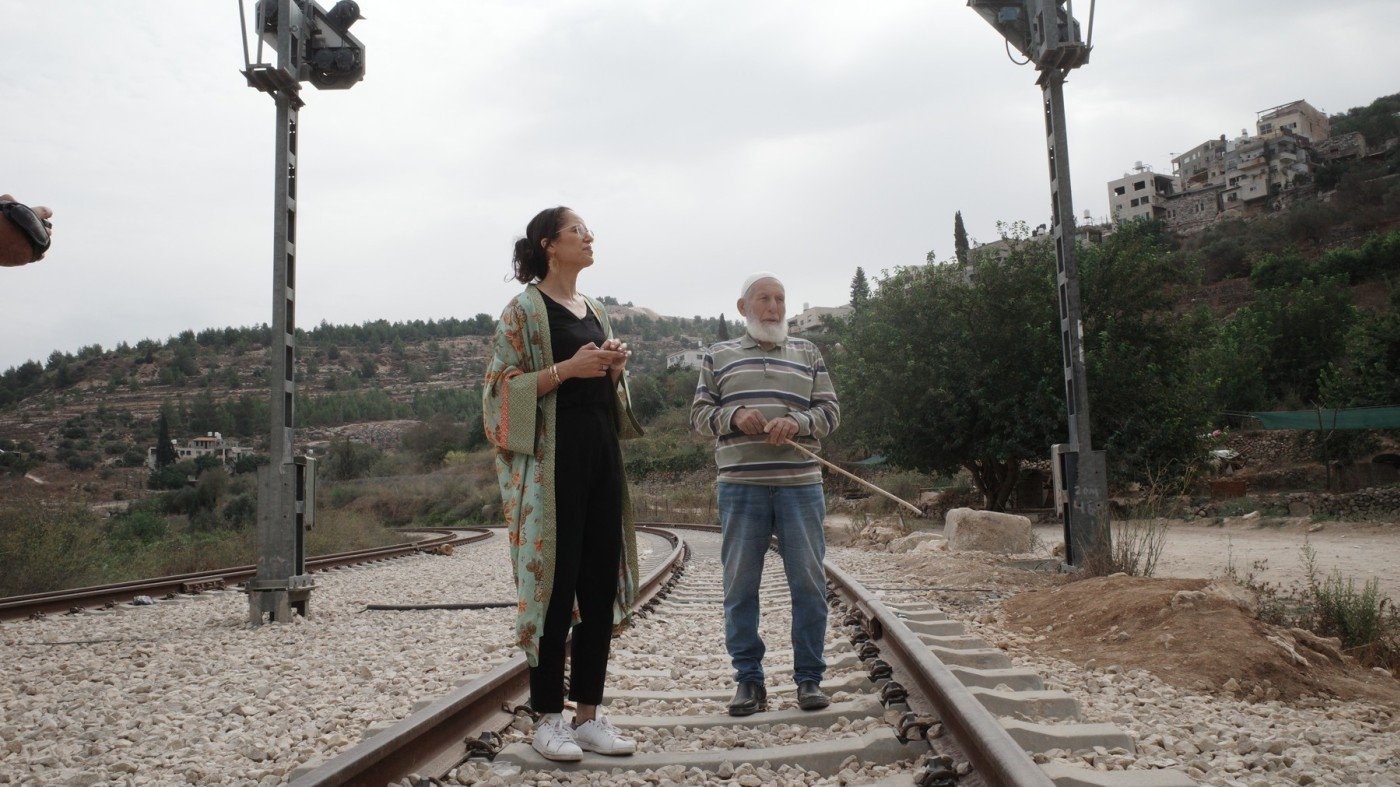
Traditional cuisine is much more than just food—it is a living expression of identity, memories, and heritage. Its ingredients are rooted in the land's geography and seasons, while its flavors reflect its conflicts and politics. Palestinian cuisine carries within it a blend of popular, personal, and feminine history; it intertwines with the narrative found in books, adds depth to it, and brings it to life. Cook and culinary historian Muzna Bishara embarks on an eight-chapter journey, one that also explores a vanishing generation of women who preserve the memory of rural cooking. Each chapter focuses on a key ingredient or raw material, its region of cultivation, its season, and a local family who works with it. Olives, sumac, akoub, and eggplants are among the foundational elements that shape the flavor of the land—stories that Muzna seeks to uncover, offering a new way to touch the tragic history of her people.

- / 5
PopScore
Representation
Pictures and Videos

Movie Information
Traditional cuisine is much more than just food—it is a living expression of identity, memories, and heritage. Its ingredients are rooted in the land's geography and seasons, while its flavors reflect its conflicts and politics. Palestinian cuisine carries within it a blend of popular, personal, and feminine history; it intertwines with the narrative found in books, adds depth to it, and brings it to life. Cook and culinary historian Muzna Bishara embarks on an eight-chapter journey, one that also explores a vanishing generation of women who preserve the memory of rural cooking. Each chapter focuses on a key ingredient or raw material, its region of cultivation, its season, and a local family who works with it. Olives, sumac, akoub, and eggplants are among the foundational elements that shape the flavor of the land—stories that Muzna seeks to uncover, offering a new way to touch the tragic history of her people.
Rating:
Genre:Documentary
Written By:
In Theaters:
Box Office:
Runtime:224 minutes
Studio:
Cast


Articles You May Like
Will You Go to Ryan Murphy’s “The Prom” With Me?
The Final Season of ‘Superstore’ Sends off an Inclusive Gem
Where we leave the characters is in such a peaceful and optimistic place. It feels well-earned to ensure everyone gets their own specially-crafted happy ending.
Trans Allegories in Film: 'Your Name' (2016)
Our protagonists perform as the opposite gender while still preserving the parts of their personalities that makes themselves who they are.
Finding Strength Through Faith and Guidance
The Forge is a moving story about a young man’s search for purpose. Through mentorship, discipline, and faith in God, his life is transformed from confusion into clarity, reminding us that true greatness is shaped in the fire of surrender and growth.
Stand and Deliver - Los Angeles Academic Achievement Classic
Stand and Deliver is an inspirational classic from 1988 starring Edward James Olmos as Jaime Escalante, and his class of rag tag students in East Los Angeles. It’s the story of how a new teacher shows a motley group of students in the inner city with backgrounds as gang members, dishwashers, and mechanics — the power of self-determination. He teaches the teenagers to believe in themselves through algebra and calculus.