





Incluvie – Better diversity in movies.
Identity in film with Incluvie stamps, scores, reviews.

Incluvie – Better diversity in movies.
Explore identity in film with Incluvie stamps, scores, reviews, and insights.

trailer banner
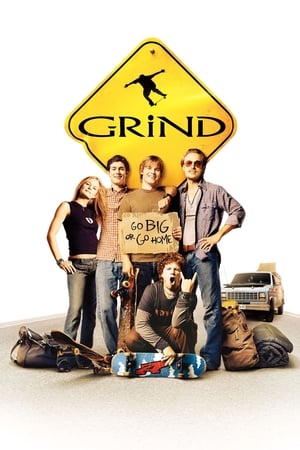
Grind poster

Grind (2003)

Four skaters follow their idol on his summer tour in an attempt to get noticed, get sponsored, and become stars themselves.
- / 5
PopScore
Representation

Pictures and Videos


Incluvie Gala

Movie Information


Four skaters follow their idol on his summer tour in an attempt to get noticed, get sponsored, and become stars themselves.

Rating:
Genre:Action, Comedy, Adventure
Directed By:Casey La Scala
Written By:Ralph Sall
In Theaters:8/15/2003
Box Office:$5,141,166
Runtime:104 minutes
Studio:Pandora Cinema, 900 Films, Asphalt Productions, Gaylord Films, Gerber Pictures

Articles You May Like


Review: The Roses – Marriage and the Sweet Taste of Revenge

The Roses is a wickedly sharp marital warfare comedy that transforms domestic dysfunction into high art. Olivia Colman and Benedict Cumberbatch deliver powerhouse performances as a couple whose fairy-tale romance implodes when his architectural career collapses just as her culinary empire takes off. What makes Jay Roach's remake so devastatingly effective is its refusal to pick sides—both spouses are equally sympathetic and monstrous, wielding Tony McNamara's razor-sharp dialogue like weapons forged from shared intimacies. It's a film that dares you to laugh at relationship wreckage while forcing you to confront the uncomfortable truth that the line between passionate love and mutual destruction is terrifyingly thin.

Nilufer Ozmekik

Who Needs 'Independence Day' When You've Got 'Sorry to Bother You'?

Sorry to Bother You ultimately speaks to the unfair advantages that the country’s power structures award to those with the resources to control others, as Lift’s easy access to the media allows his opinion to be the only one that matters in the eyes of the unsuspecting and easily impressed public. Moreover, it reveals the extent to which the American Dream has any true validity. It postulates how the promise of success and fulfillment as promoted by the American Dream more often than not leads to the undoing of the individual. Interestingly, in its revealing of the American Dream as merely a facade, Sorry to Bother You wisely questions whether or not anything can really be done to undo a system that has been accepted and in action for centuries.

Matt Geiger