





'Causeway' Explores Toxic Masculinity Through Its Protagonists
The message to take away from 'Causeway' is that toxic masculinity can manifest in anyone, no matter what their gender identity is.

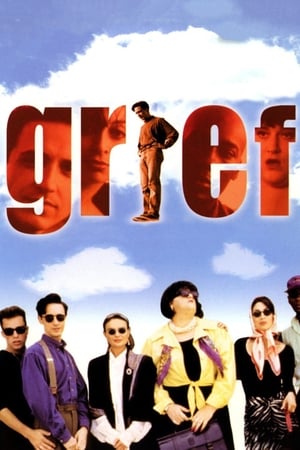


A campy chronicle of the lusts and loves of the men and women who work on a low-rent TV show called, "The Love Judge."
The message to take away from 'Causeway' is that toxic masculinity can manifest in anyone, no matter what their gender identity is.
Apatow’s latest film, The King of Staten Island, is no different. The movie tells the story of Scott (Pete Davidson), the 24-year-old son of a deceased firefighter who passed away when Scott was 7
The social issues The Half of it takes on are handled well, between the antagonization brought on to Ellie for her race and the conflict that arises from her being gay. Both aspects of her character are built up over the course of the film and don’t seem abrupt or rushed. The film shows racism towards Ellie and her and father in varying levels, from having her schoolmates specifically address her as "Chinese girl” to the fore mentioned way her Dad is treated due to language barriers. The same can be said about Ellie being a lesbian. While she never truly “comes out” in the narrative, that does not undermine her journey of self-discovery from being meaningful. These ideas aren’t thrust upon the viewer in a preachy manor, the scenarios that occur feel believable given the rural setting. The film presents watchers with problems whom those like Ellie may face, and leaves us to sit with them and reflect.
Americans love the British monarchy. This may seem confusing because only a few short hundred years ago they were our worst enemies, and every year we celebrate our independence from them. The Crown humanizes the monarchy, which might explain its popularity.
Based on a true story, when his beloved dog goes missing, the owner embarks on an incredible search with his parents to find him.