'Meshes of the Afternoon' Enters the Realm of Sci-Fi
Many have interpreted Maya Deren’s Meshes of the Afternoon as a dream sequence, but what if the repetitive scenes we are given are not dreams but, a time loop.
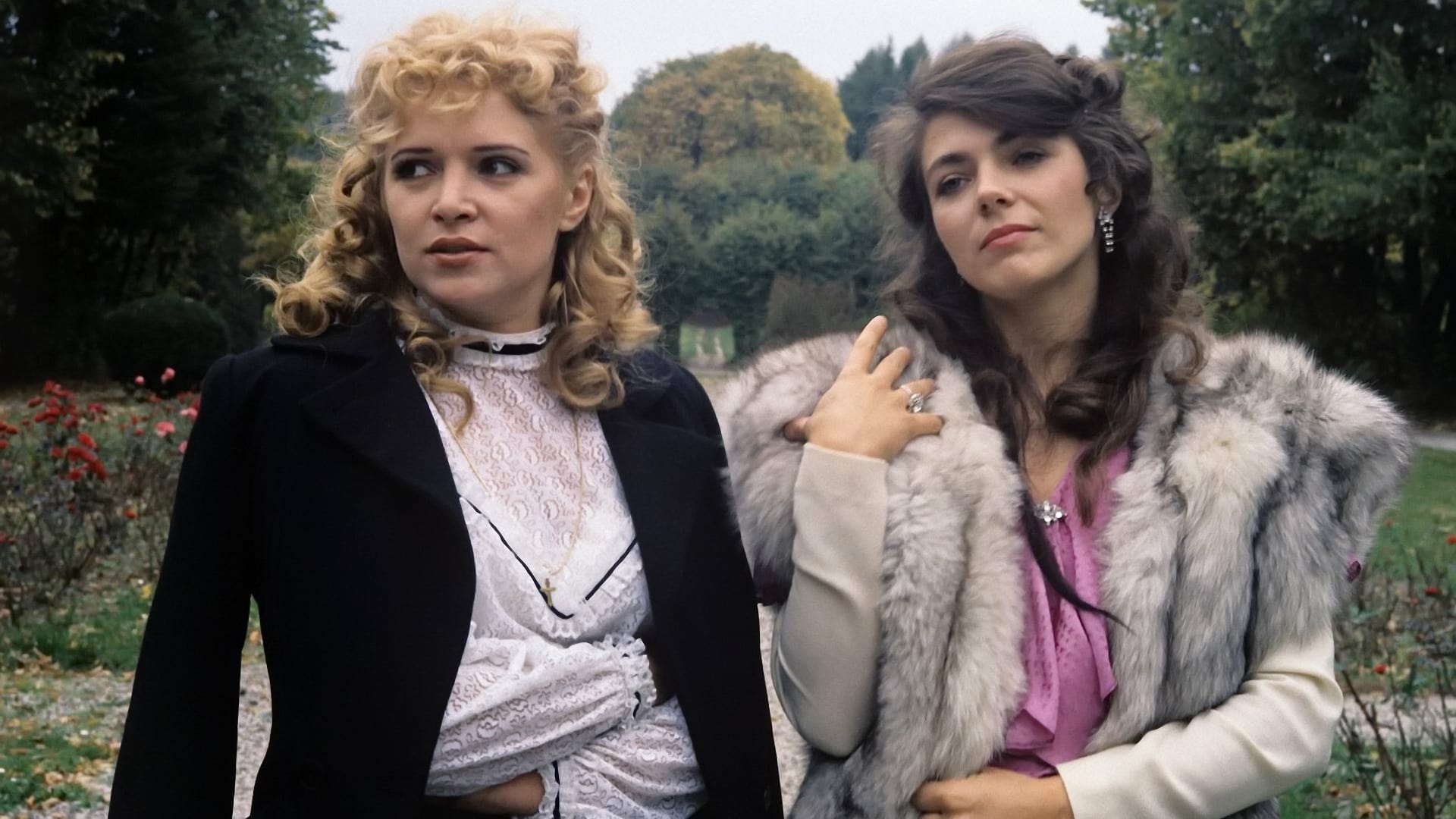
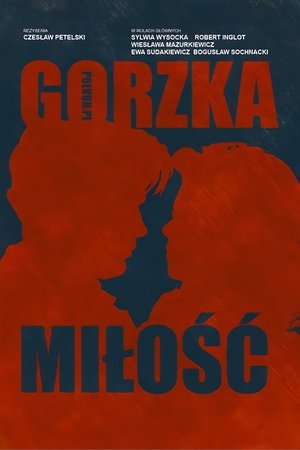


Poland, 1945. Crowds of repatriates are traveling from east to west in search of new homes and loved ones lost during the war. At one of the train stations, a young woman, Hanna Powiłańska, sits among the crowd of displaced persons. The girl recalls a story of turbulent love. Before the war, at a carnival ball, she met the handsome Lech Oleszkiewicz. In September, war broke out. Hanna meets the engineer again and spends the night with him. In the morning, the man tells her that he is married. Hanna breaks off the relationship.
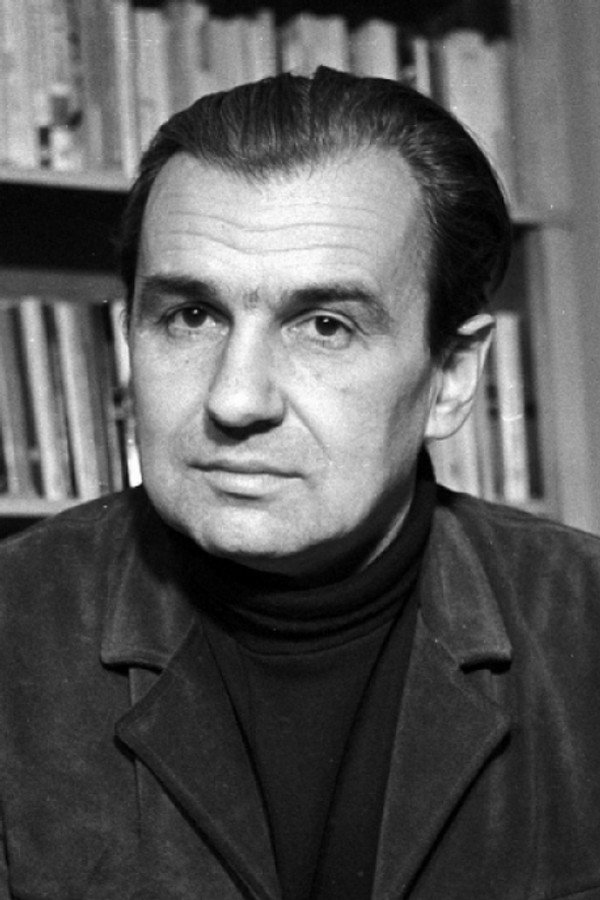
Czesław Petelski
Director


Sylwia Wysocka
Hanna Powiłańska
Robert Inglot
Lech Oleszkiewicz

Lidia Korsakówna
Hanna's Aunt
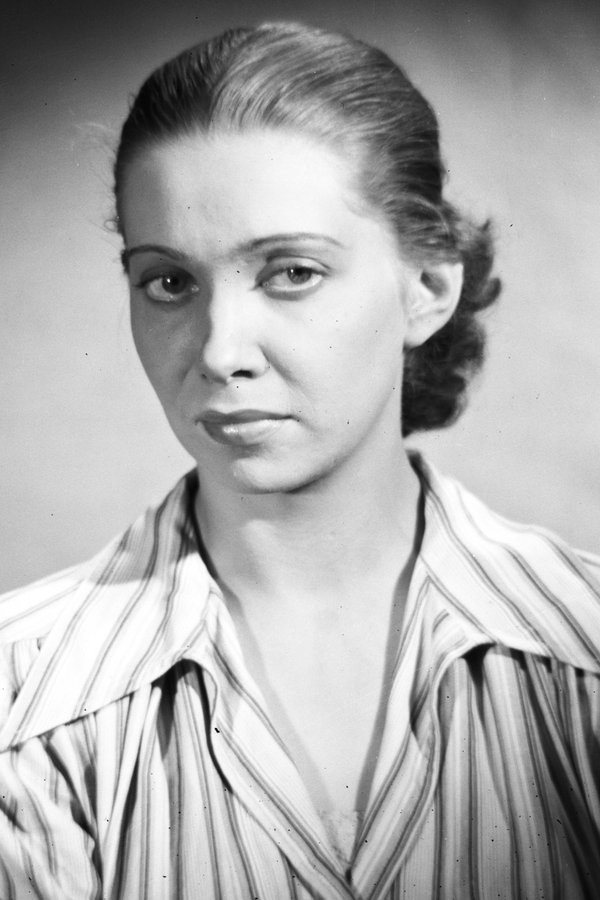
Wiesława Mazurkiewicz
Marta Powiłańska

Gustaw Lutkiewicz
Antoni
Ewa Sudakiewicz
Hanna Miodoborska-Oleszkiewicz

Witold Pyrkosz
Franciszek Hermanowicz
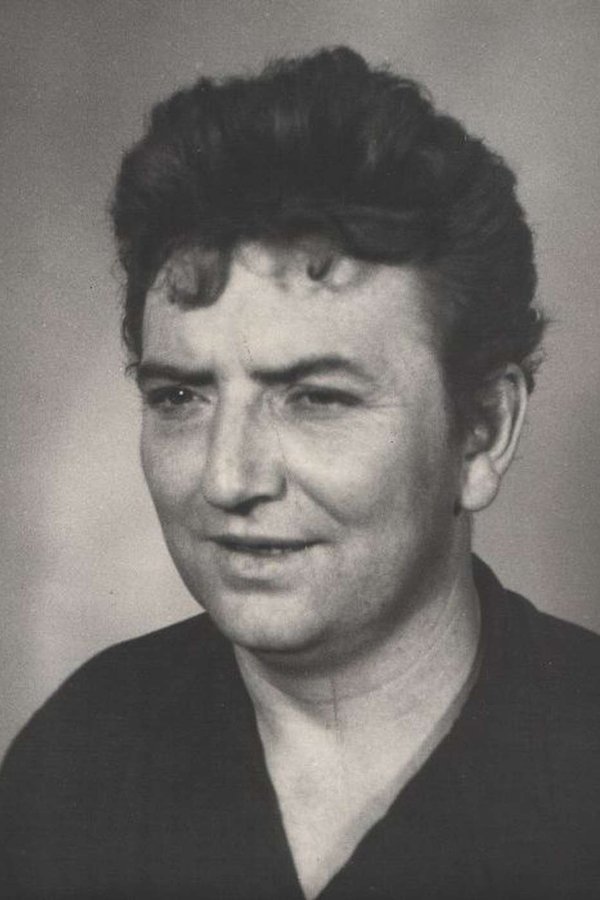
Bogusław Sochnacki
Wydra
Barbara Dzido-Lelińska
Petronela Wydrowa
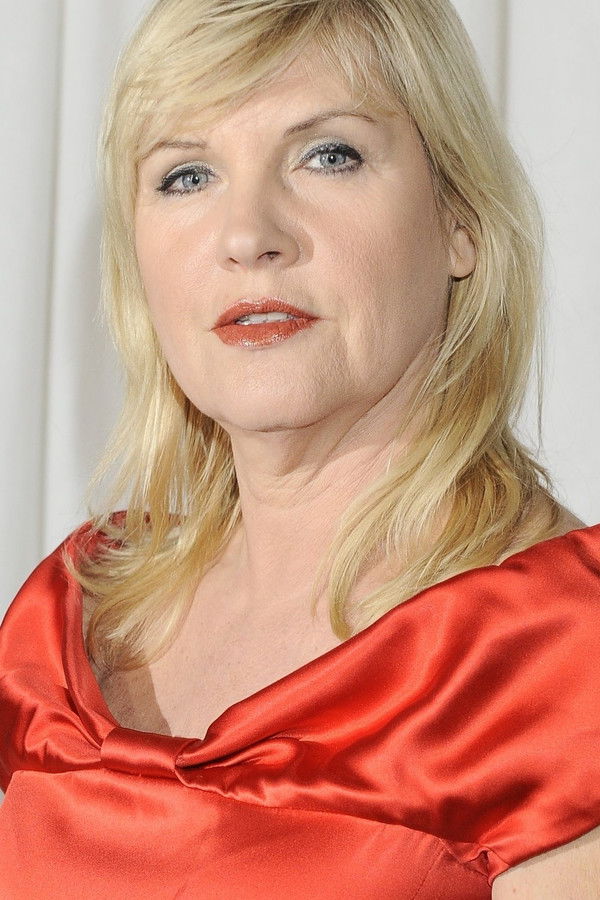
Tatiana Sosna-Sarno
Grażyna

Włodzimierz Adamski
Fugitive
Many have interpreted Maya Deren’s Meshes of the Afternoon as a dream sequence, but what if the repetitive scenes we are given are not dreams but, a time loop.
A refreshing twist is that all the kids’ powers are…kind of useless. There’s a kid who can only move in slow motion, a kid who has every power in the world but can only use them randomly, and our main character Missy who has no powers at all. The thesis of the film seems to be that it doesn’t matter what kind of powers you have, its the way you use them, which is good for the warm and fuzzies.
"Spider-Man: No Way Home" isn’t just a movie; it’s an experience. It's one of the best superhero movies thanks to the amazing writing, the fantastic performances from the actors, and a healthy helping of fan service.
It’s 2021 and what few LGBTQ+ films that are produced by major film studios continue to star cisgender heterosexual actors, rather than actual LGBTQ+ people.
This modern update of the beloved classic swaps Cyrano's signature pronounced nose for achondroplasia, for a different vision that still retains the original's essence.
The original Mothra is a fun monster movie that has way stronger lore, music, and special effects than most of its contemporaries.