'No One Will Save You'
Explore the tension between director intention and viewer interpretation in this review of the excellent sci-fi horror of 'No One Will Save You.'
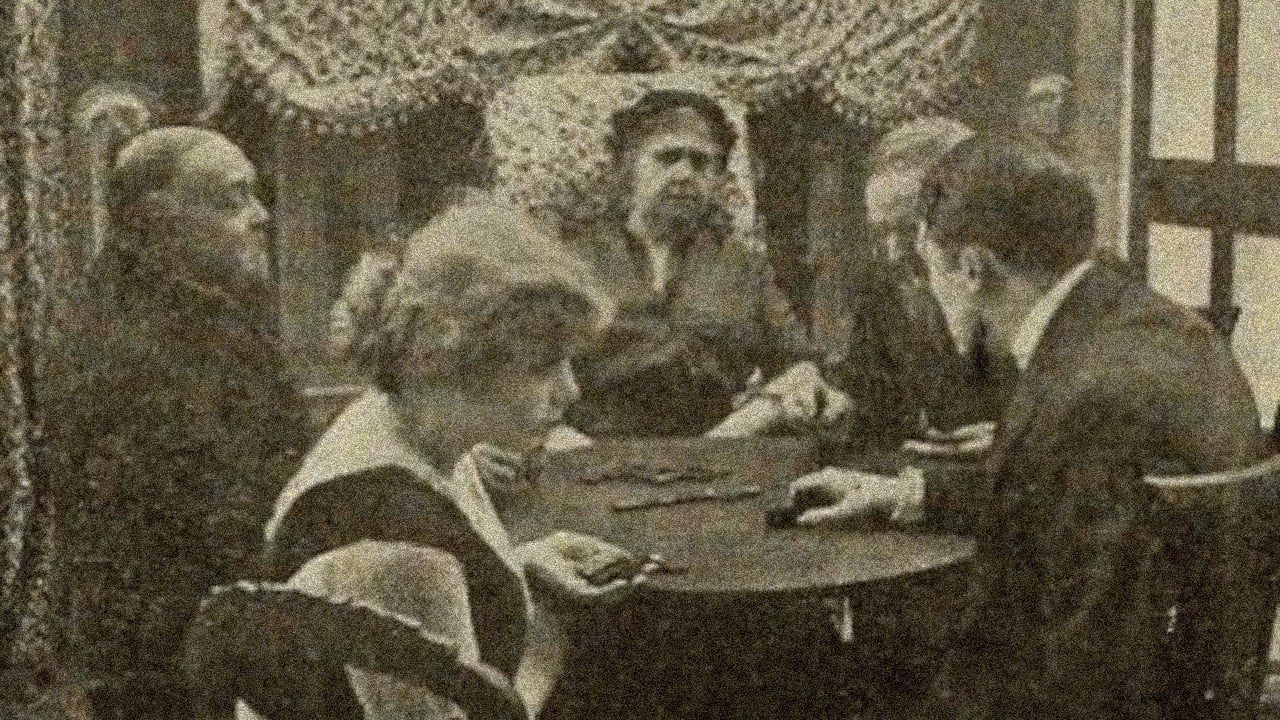
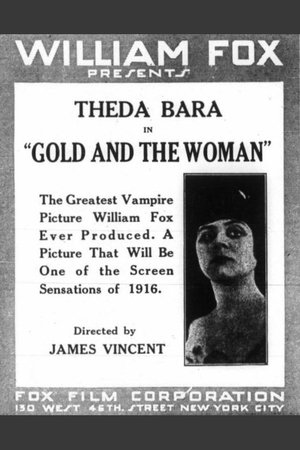


The daughter of a Mexican aristocrat endures the travails of the Mexican revolution.
James Vincent
Director


Theda Bara
Juliet DeCordova

Alma Hanlon
Hester
H. Cooper Cliffe
Col. Ernest Dent
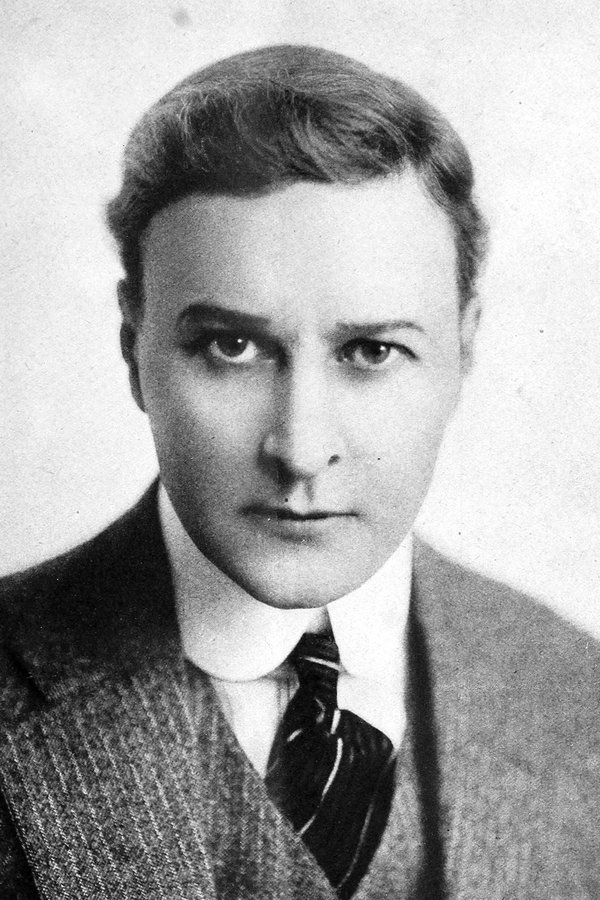
Harry Hilliard
Lee Duskara
Carleton Macy
Dugald Chandos
Chief Black Eagle
Chief Duskara
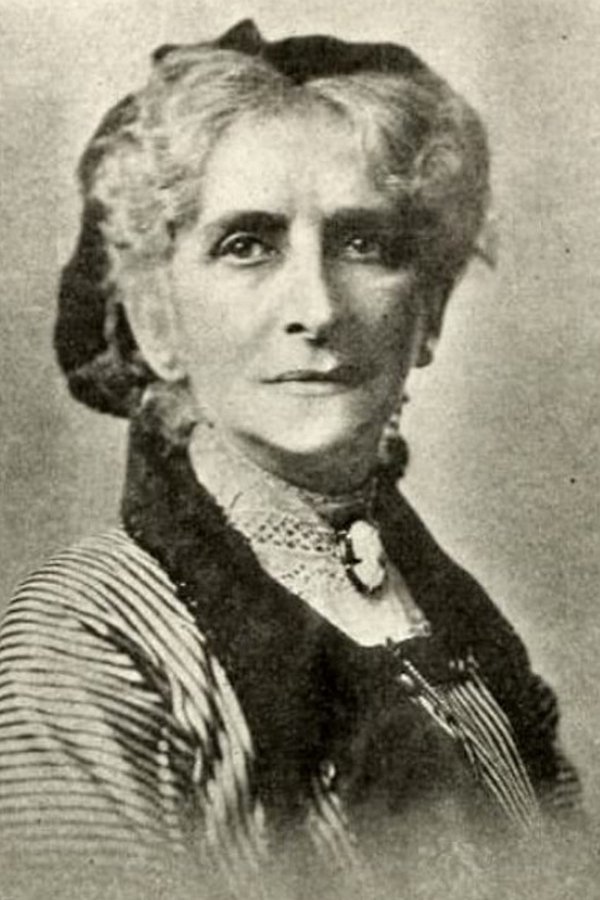
Julia Hurley
Duskara's Squaw
Carter B. Harkness
Leelo Duskara
Caroline Harris
Undetermined Role
Ted Griffin
Undetermined Role
Louis Stern
Undetermined Role
Explore the tension between director intention and viewer interpretation in this review of the excellent sci-fi horror of 'No One Will Save You.'
These confines won’t really encourage you to read the film as a metaphor for the nerve-inducing experience we’ve all been through over the last year, however — and in the interest of maintaining your dignity, you probably shouldn’t. While the sociopolitical commentary may have worked for the similarly-themed Buried (2010), in which we find Ryan Reynolds on his own buried alive in the Middle East, but this futuristic take on the premise is best left as a piece of distracting entertainment. Nevertheless, the atmosphere is no less suffocating, literally and dramatically.
In Spike Lee’s She’s Gotta Have It (1986), we follow the love life of powerful female protagonist Nola Darling (Tracy Camilla Johns) and explore the relationship dynamics she has with her partners. She sees three men simultaneously: Greer Childs, (John Canada Terrell) Mars Blackmon (Spike Lee), and Jamie Overstreet (Tommy Redmond Hicks). Though an 80’s film, She’s Gotta Have It is surprisingly progressive with its themes of female sexuality, although at some points in the film it is handled clumsily. Overall Nola is an incredibly compelling character especially for modern women, as we as a society acknowledge female sensuality more and more without the negative stigma.
Critical Incident is worthy of a weekend binge, keeping you guessing right up until the end.
"Warrior" is a Bruce Lee written and inspired story that follows a diverse cast of Chinese American characters and does a terrific job of setting the story in 1878 San Francisco - all without pulling their punches with the systemic racism, discrimination, and struggle for power that old and young immigrants that crossed the country at that time had to go through.
Despite everything it was capable of, all of these poor choices strung together amount to nothing more than a counter-productive film.