






“Disclosure Day” and Anthropocentrism
Disclosure Day asks us to question humanity's role in the universe but falls victim to the same assumptions of centrality.

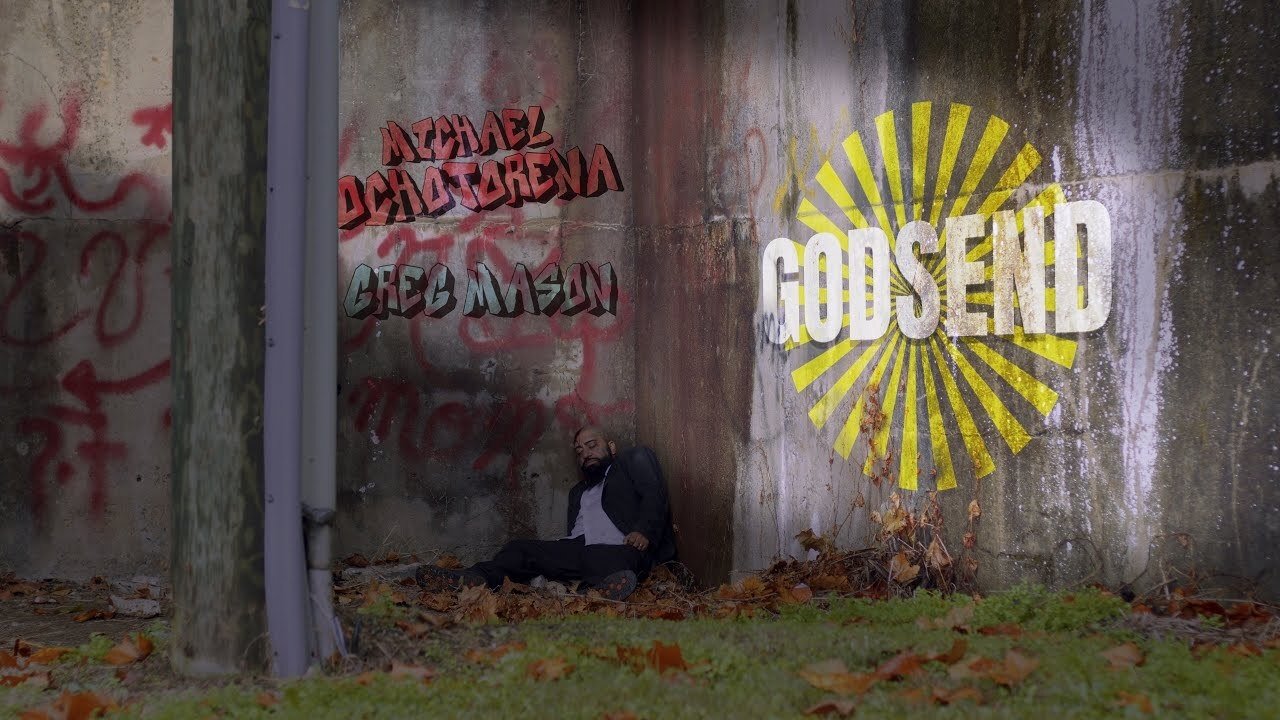
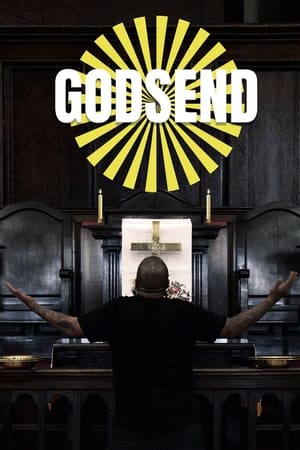
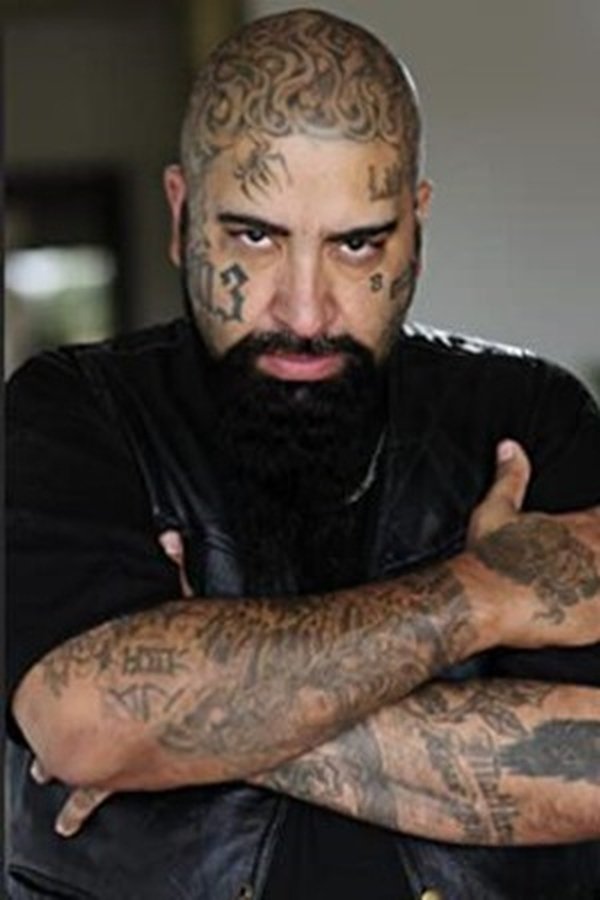
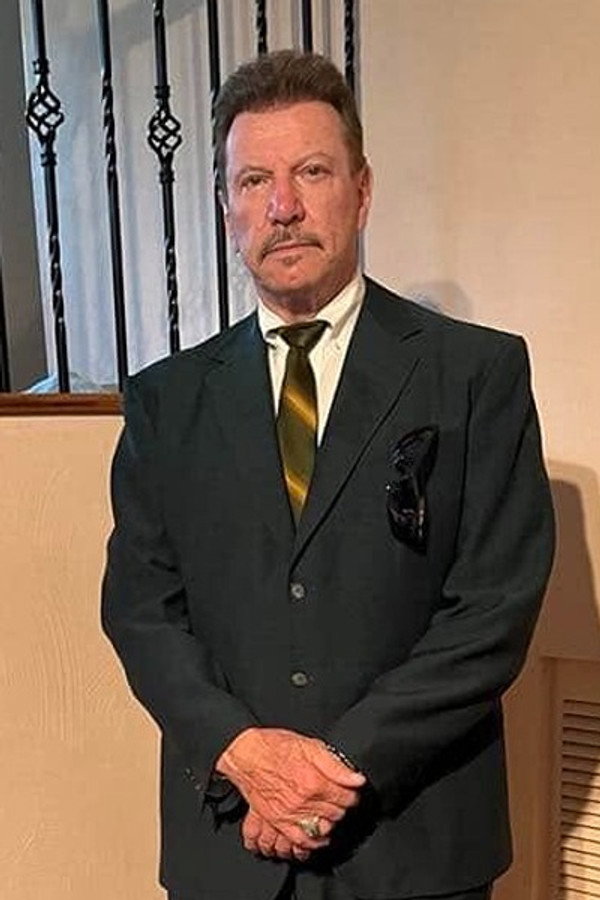
When a man (Michael Ochotorena, "John Light," "Dispatched") wakes up under a bridge to discover he no longer knows who he is or how he got there, his life brutally unfolds as a homeless person. Enduring the scorn of random people, the elements, and coping with a terrible head injury, he finds hope in the unlikeliest of friends: a dog and a pastor (Greg Mason, "Midnight (2020)," "Dispatched"). Together, they explore kindness, compassion, and what it means to live--and to become a Godsend to others.
Disclosure Day asks us to question humanity's role in the universe but falls victim to the same assumptions of centrality.
The movie opens with an empty house, cameras pan around from the perspective of what viewers are confused about at first, but turns out to be a spirit living in the home.
Halle's belting, crystal clear notes, and warm tone infused something into this blockbuster that I thoroughly enjoy.
'Riders of Justice' perfectly depicts some masculinity problems present in our society. Moreover, it talks about how hard is to lose someone and how different people deal with the situation.
Lady Bird (Saoirse Ronan) tells her mother (Laurie Metcalf) that she wants to live through something — something that matters.
“Trust your gut" is one of the most common pieces of advice you’ll receive during your lifetime. And as a person inclined to trust my intuition above all else, it’s the most common advice I find myself giving in real life and in my online socialising. But what happens when your gut is trying to warn you that something is seriously wrong without you being able to identify what triggered it in the first place? How can you act on a feeling or make it go away when you don’t have a clue about what could be wrong? How can you trust your intuition when you don’t know what makes it act out in the first place?