Dead Poets Society Steals a Queer Story
Dead Poets Society relies on patriarchal tropes such as overbearing fathers, contrived brotherhood, and faux-individuality in order to portray its straight white male characters as oppressed.
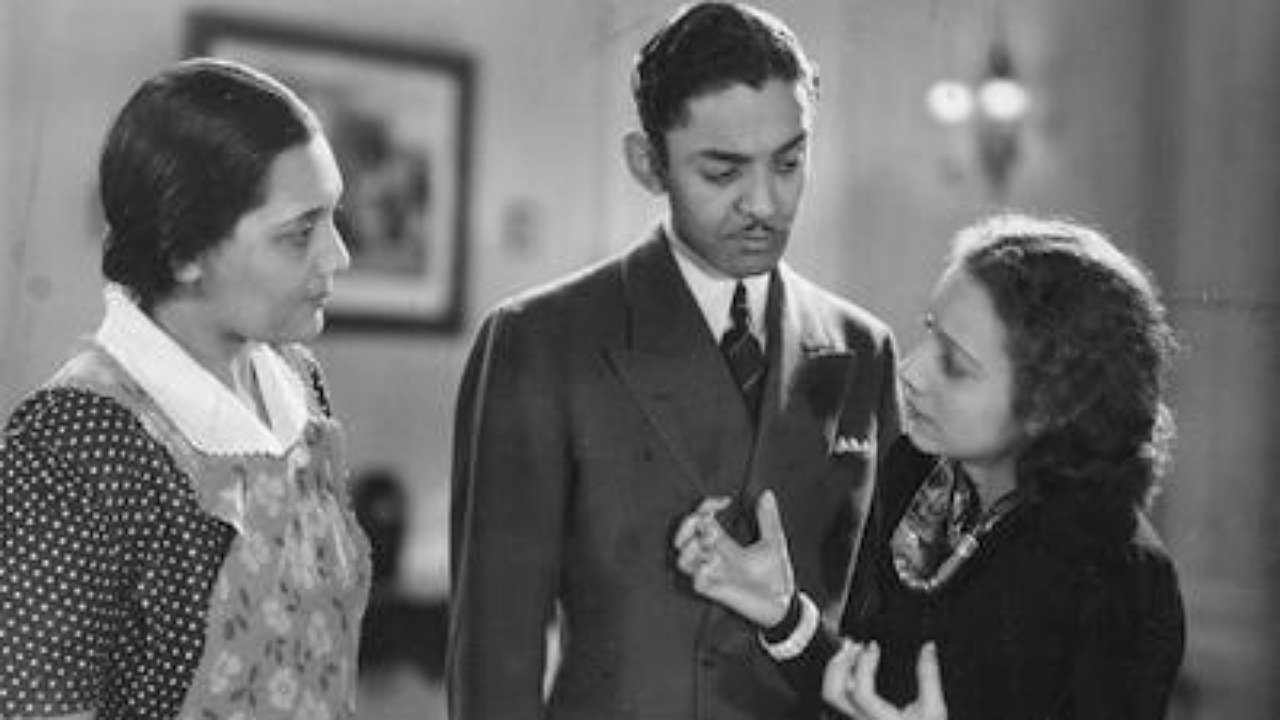
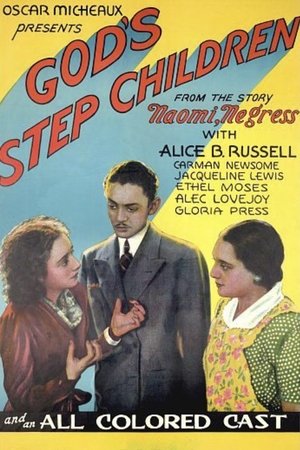


Naomi, a light-skinned Black child, is abandoned by her mother and raised by the virtuous Mrs. Saunders. When the girl's fixation with whiteness turns her against her own race, she is sent to a convent. Hopelessly in love with her adoptive brother Jimmie, Naomi consents to marry his friend, but is repulsed by his darker skin and unrefined ways.

Oscar Micheaux
Director

Jacqueline Lewis
Young Naomi
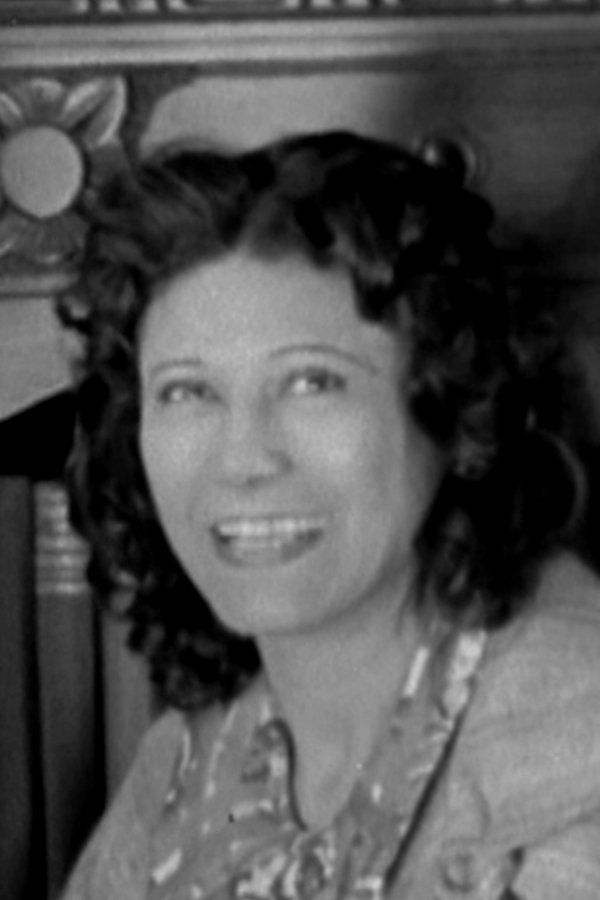
Ethel Moses
Mrs. Cushinberry / Eva

Alice B. Russell
Mrs. Saunders
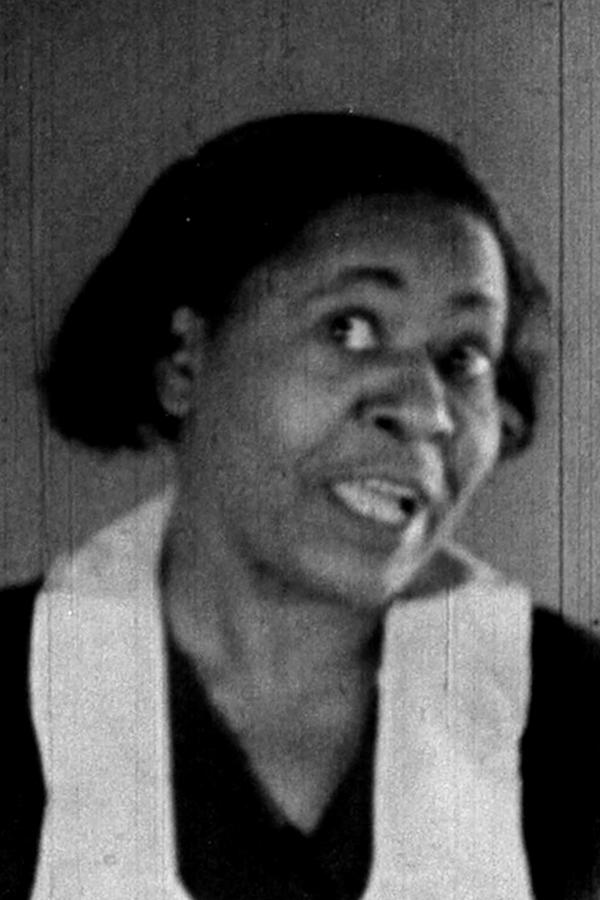
Trixie Smith
A Visitor
Charles Thompson
Young Jimmie

Carman Newsome
Adult Jimmie
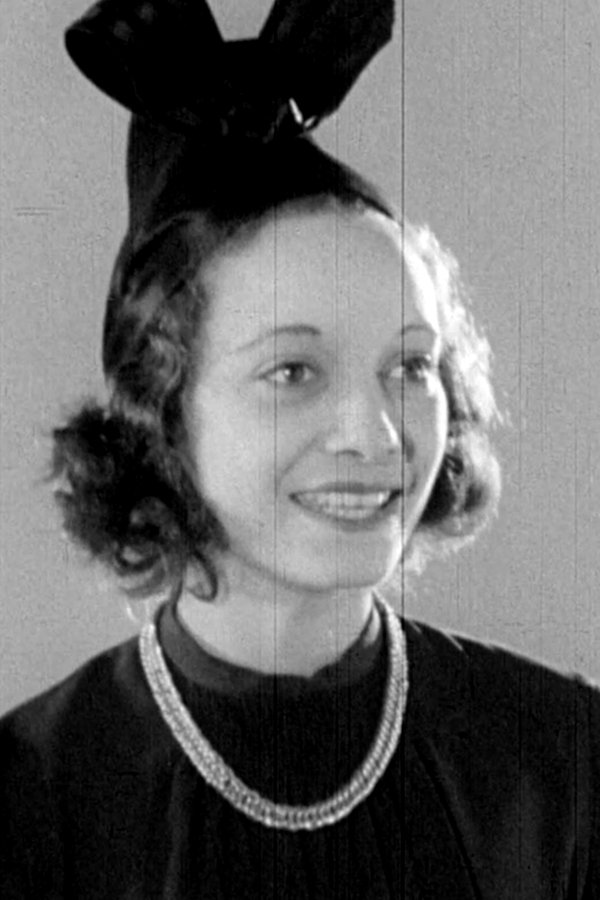
Gloria Press
Adult Naomi
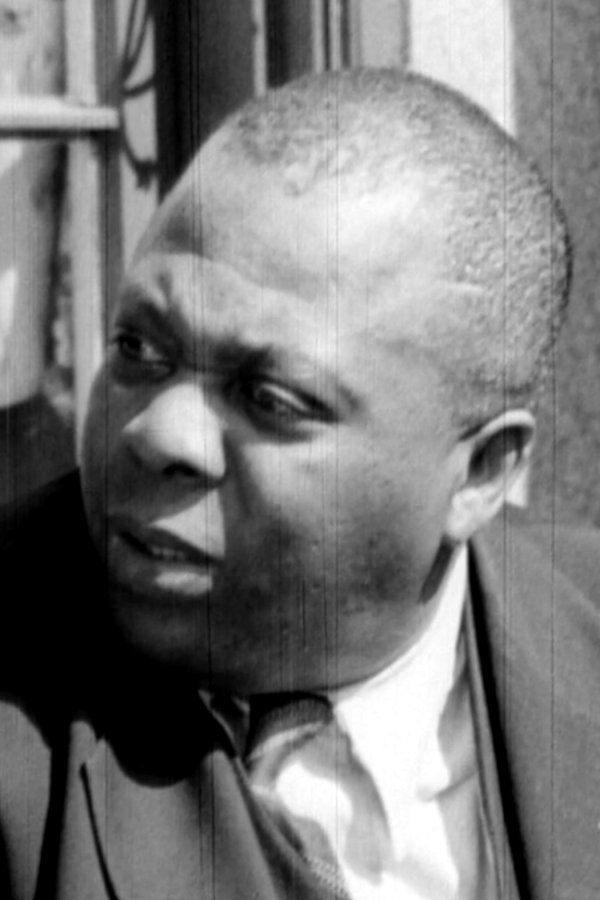
Alec Lovejoy
Ontrue Cowper

Columbus Jackson
Cowper's Associate
Laura Bowman
Aunt Carrie
Sam Patterson
Banker
Dead Poets Society relies on patriarchal tropes such as overbearing fathers, contrived brotherhood, and faux-individuality in order to portray its straight white male characters as oppressed.
The [SPOILER-Free] story of Jurassic World: Dominion is that the humans never learned from their mistakes from the previous films, science is still running amok, and the world is paying the price.
I’m disappointed in The Woman in Cabin 10, but that’s at least in part because of my love of Ruth Ware’s novel.
Movies also have the ability to make the audience think deeper about an issue that plagues society. "Blindspotting" does that without shying away from the intense reality of police brutality and racial discrimination.
To say Hollywood has had a troubled past is the understatement of the century. In Ryan Murphy’s (American Horror Story) new Netflix series, Hollywood, that past is confronted and even rewritten.
Avatar: The Last Airbender's success fifteen years after its premiere proves the enduring power of its storytelling. But it's more than just a quality show.