



Incluvie – Better diversity in movies.
Identity in film with Incluvie stamps, scores, reviews.

Incluvie – Better diversity in movies.
Explore identity in film with Incluvie stamps, scores, reviews, and insights.

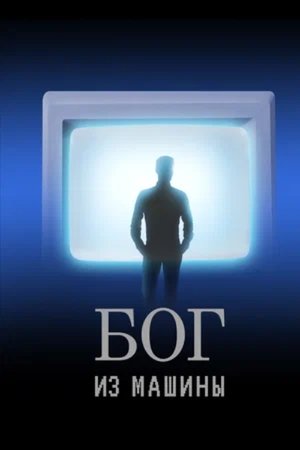
God From the Machine poster

God From the Machine 

The history of the beginning and flourishing of domestic computer technology and cybernetics in the 1950s-1960s. About a utopia that almost came true. Automation and cybernetization were even written into the Third Program of the CPSU in 1961. It was called the "Program for Building Communism", and it promised that in 20 years a communist society would be built in the USSR, free from exploitation, from want, from class contradictions, giving every person every opportunity for creative self-realization, based on the principle "from each according to abilities, to each according to his needs. The creators of this utopia, the carriers of a reasonable creative principle were scientists and engineers-cybernetics.
- / 5
PopScore
Representation

Pictures and Videos


Incluvie Gala

Movie Information


The history of the beginning and flourishing of domestic computer technology and cybernetics in the 1950s-1960s. About a utopia that almost came true. Automation and cybernetization were even written into the Third Program of the CPSU in 1961. It was called the "Program for Building Communism", and it promised that in 20 years a communist society would be built in the USSR, free from exploitation, from want, from class contradictions, giving every person every opportunity for creative self-realization, based on the principle "from each according to abilities, to each according to his needs. The creators of this utopia, the carriers of a reasonable creative principle were scientists and engineers-cybernetics.

Rating:
Genre:Documentary
Directed By:Rodion Chepel
Written By:
In Theaters:
Box Office:

Runtime:87 minutes
Studio:Amur Waves

Articles You May Like


"The Father" is a Depressing But Insightful Look at Dementia

With The Father, writer-director Florian Zeller- who wrote and developed the play upon which the film is based- pulls no punches as he confidently makes every effort to put the audience in the mind of someone whose grip on reality has all but vanished. It’s a dazzling testament to Zeller’s abilities as a director as he makes his first transition from stage to film appear as if he’s been working behind a camera his entire career. The dialogue he fashions with co-writer Christopher Hampton, along with the work of production designers Peter Francis and Cathy Featherstone, collectively makes the downward spiral of dementia startlingly tangible, doing so in a way that can be comprehended by everyone except the person it directly affects.

Matt Geiger