


Once Upon a Time in (White) Hollywood
Tarantino's alternative history of the 1960's uncritically repeats the era's sexist and racist stereotypes.



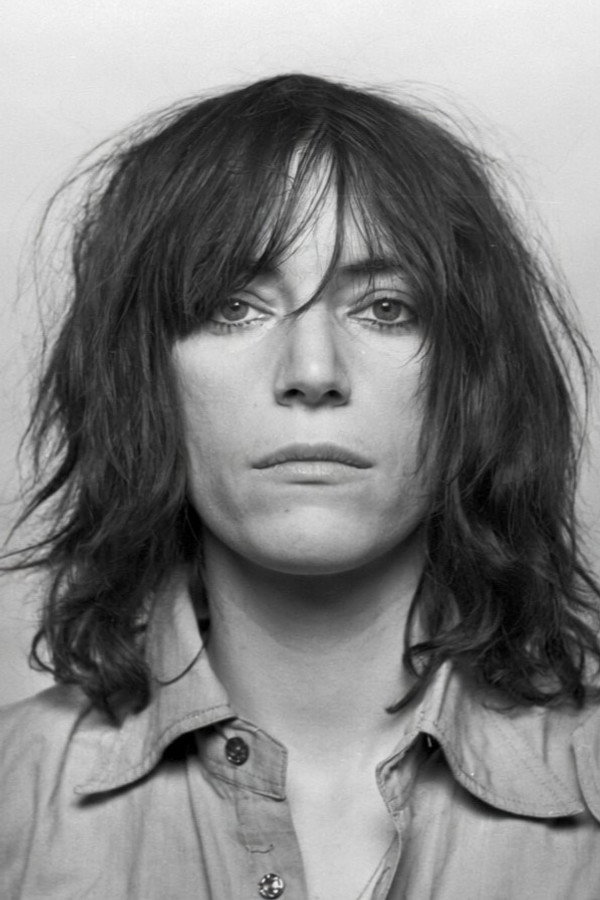
This intimate documentary chronicles the extraordinary life of Izzy Young, a pivotal Jewish figure in the folk music revival of 1960s New York City. Through his iconic Folklore Center in Greenwich Village, Izzy offered much more than books, records, and instruments—he created a vibrant hub where aspiring musicians like Bob Dylan, Joni Mitchell, Emmylou Harris, and Patti Smith could perform, learn, and connect. Izzy’s passion for folk music made him a beloved mentor and tastemaker, and when he organized Dylan’s first official concert, his role in shaping the music scene was solidified. Izzy not only nurtured their talents but also helped shape the cultural movement that would define a generation.
Tarantino's alternative history of the 1960's uncritically repeats the era's sexist and racist stereotypes.
When they’re young, they’re America’s darlings but, when they become teens and adolescents, they’re instantly perceived as harbingers of immorality. They’re Lindsay Lohan, Macaulay Culkin, Justin Bieber, and Britney Spears. But, despite what many media outlets, politicians, and the general public may think, they are human beings above anything else. The new Billie Eilish documentary, Billie Eilish: The World’s A Little Blurry, proves this — showing the trials, tribulations, and humanity when growing up with all the world’s eyes on you.
Even with its straightforward premise, “Richard Jewell” is ramped up by exceptional drama. In all honesty, the performances are out of this world. As Jewell, Paul Walter Hauser becomes a walking representation of gullibility. His bumbling antics create the perfect hero, and very quickly, we feel the societal heat that surrounds our protagonists.
April, a professional dancer, reluctantly trains a group of girls at a dance school for the dance competition.
We chat with Penelope Lawson about her short film, The Dinner Party, her experience founding her own production company, and fun cinema.
Like all modern societal phenomenons, it started with a meme. This one highlighted that when there’s a mom in a Pixar film, she is almost without fail given striking curves that highlight the bottom half of her body following a minuscule waist. From Elastigirl to the skeletal Mama Imelda, the animation giant’s artists seem to have a fixation on making exaggeratedly curvy maternal characters.