


The precarious representations in One Battle After Another
A bumpy journey about revolution and family makes us feel fear, disgust, humor, and satisfaction.
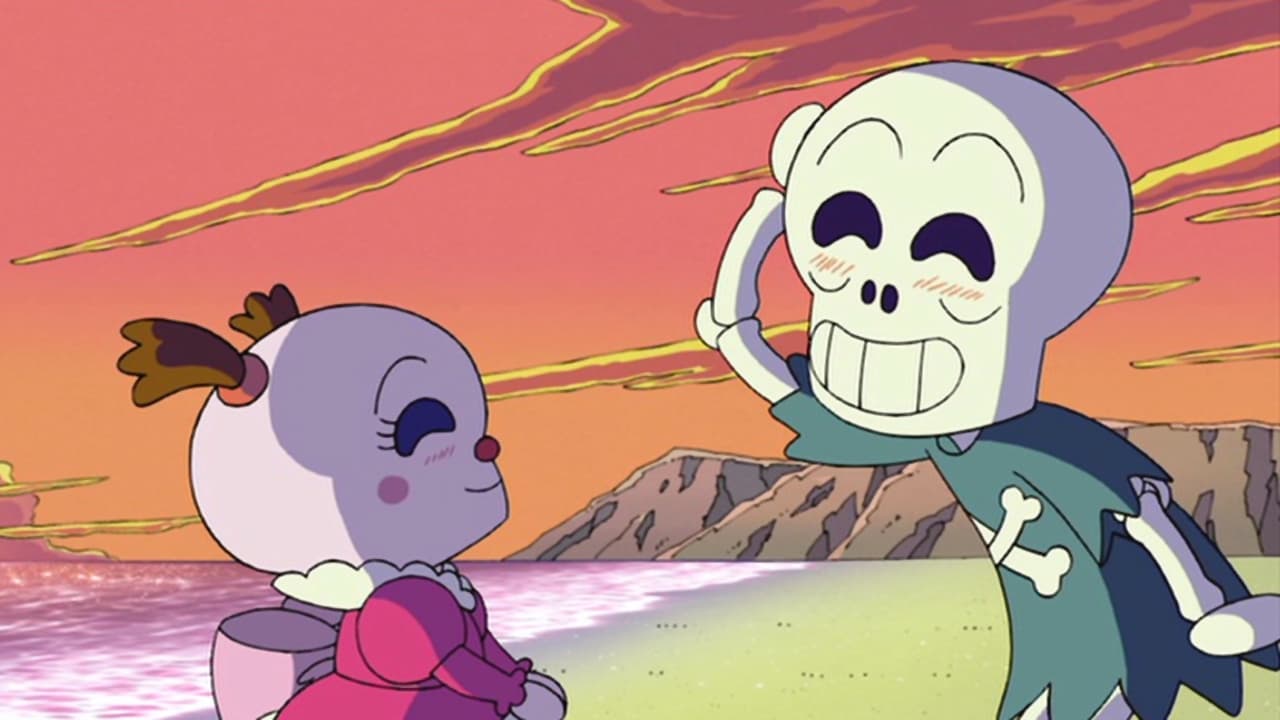
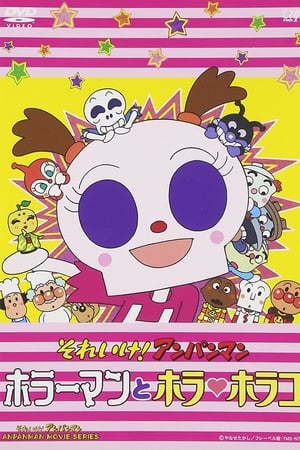


One day, when Baikinman and co. are at the beach, Horrorman encounters a girl who looks a lot like him, Hora Horako. Horako goes about telling made-up stories to others, including a story about herself being Horrorman's daughter. While Anpanman and friends wonder if it could be true, Horrorman immediately believes her stories, leading to a clash with Baikinman.
A bumpy journey about revolution and family makes us feel fear, disgust, humor, and satisfaction.
Wilde’s coming-of-age comedy directorial debut is simultaneously hilarious and entertaining, and remarkably heartfelt and relatable.
In a film where a Black couple is framed to be the lead characters, they still managed to get shuffled off to the sidelines. The enthusiastic cast delivers well on goofy bits- but can only go so far before they begin to fall flat.
Mai yells what every parent dreads hearing from their child: “tao ghét mày” (“I hate you”) and runs from the scene, where Hai discovers that Mai was telling the truth about the wallet.
Coverage from the Austin Film Festival, highlighting some panels and films that emphasized the importance of diverse and inclusive storytelling.
Netflix’s Shadow and Bone has a complicated relationship with race. It has a diverse cast, but not without its problems. Based on Leigh Bardugo’s two book series, the show features characters from the Shadow and Bone trilogy, which is very straight and white, and the Six of Crows duology, which is much more diverse. When bringing together a cast and writing about these characters, the team behind the show expanded upon some of the representation missing from the first trilogy, then seemed to take away representation from the duology. Shadow and Bone seems to play a bit of a push and pull game when it comes to portraying diversity onscreen.